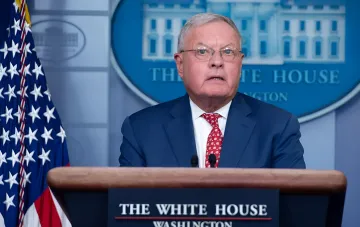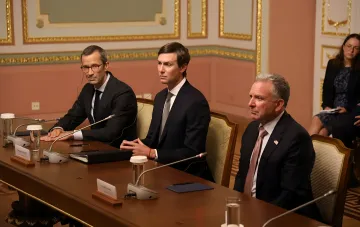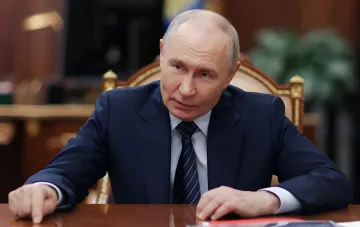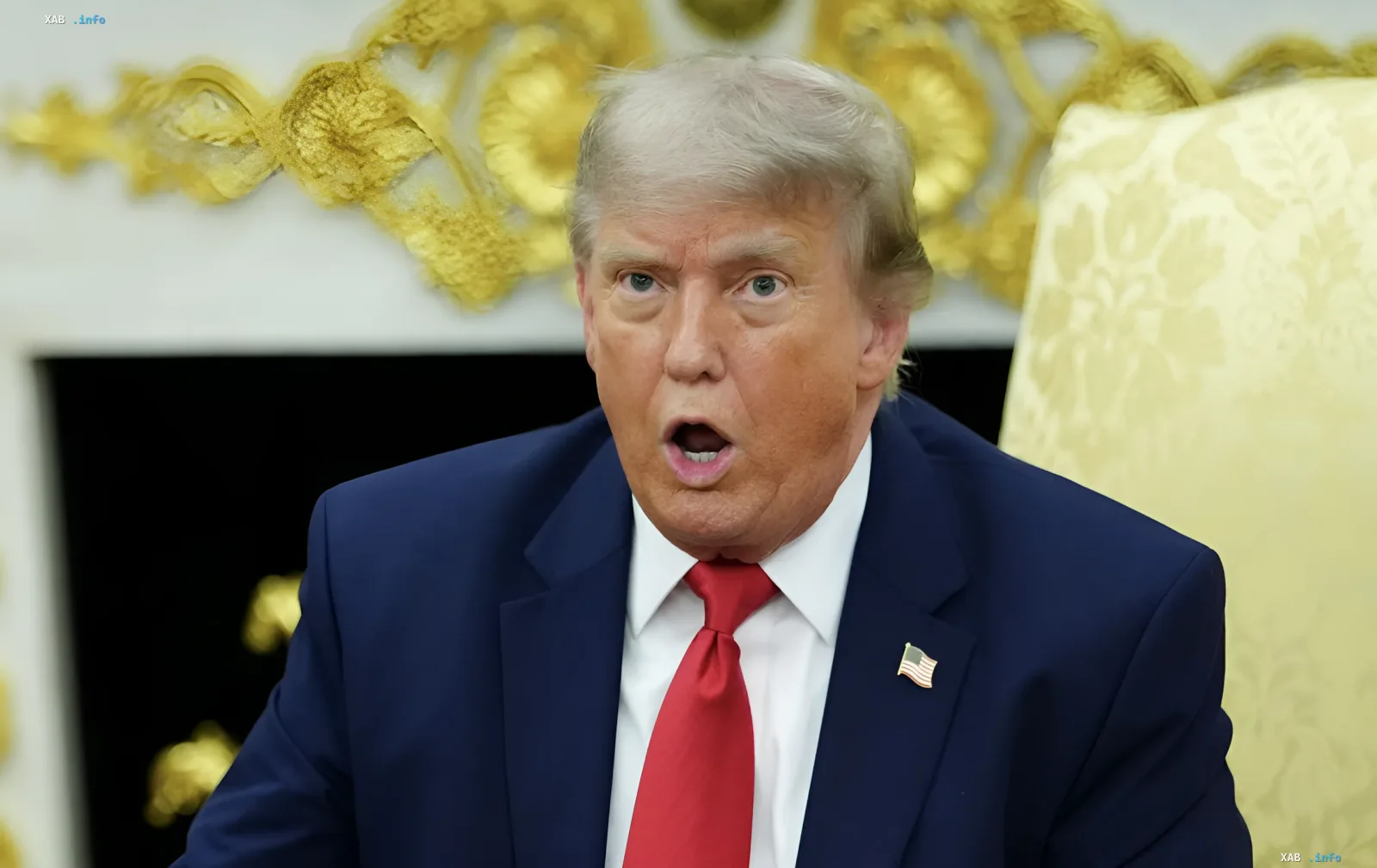
The negotiation process regarding the post-war settlement of the conflict in Ukraine has faced a severe crisis following reports that agreements on expanded security guarantees have collapsed. Last weekend, closed-door consultations involving key American and European diplomats took place in Miami to discuss the fundamental parameters of a future peace plan. US President Donald Trump's special envoys, Steve Witkoff and Jared Kushner, signaled to European and Ukrainian partners that Washington was prepared to significantly enhance proposed guarantees to prevent future escalation.
However, this fragile diplomatic balance was shattered amid the unexpected conclusion of a so-called "diesel agreement" between Donald Trump and the Russian leadership. According to high-ranking European Union official Björn Seibert, who attended the meeting, the decision to lift sanctions restricting the supply of hundreds of thousands of barrels of diesel fuel to Russia came as a complete surprise to the negotiators and severely undermined trust in the American initiative.
Details of the Miami Talks and Positions of the Parties
Before news of the oil deal broke, the Ukrainian delegation and representatives of European states, including UK National Security Adviser Jonathan Powell, were engaged in a constructive dialogue. The parties discussed complex territorial compromises, security guarantees, and prospects for Ukraine's integration into the European Union. US representatives had anticipated that expanded security guarantees would help persuade Kyiv to compromise on occupied territories.
It was assumed that the new security guarantees would significantly surpass Donald Trump's previously announced initiatives, which were limited to promises of US air patrols and intelligence sharing. According to reports, President Zelenskyy's team generally viewed the updated proposal positively; however, the drastic shift in the foreign policy context led to the freezing of the agreements.
Contradictory Data
While European officials and the Ukrainian delegation claim that the negotiation process has effectively broken down due to parallel agreements with Moscow, representatives of Donald Trump's team insist that the "diesel agreement" was supposedly a tactical maneuver. Steve Witkoff and Jared Kushner argued that easing sanctions was intended to coax the Kremlin into constructive peace talks rather than undermine overall security strategy.
Washington's Reaction and Consequences for Kyiv
The events in Miami sparked sharp criticism inside the United States. The US Senate has already demanded that the president immediately reconsider or cancel the controversial deal with Moscow, warning of catastrophic consequences for transatlantic unity. Simultaneously, disturbing reports indicate that the US leader is extremely frustrated with current developments and is considering suspending the sharing of vital intelligence with Ukraine, threatening future military cooperation.