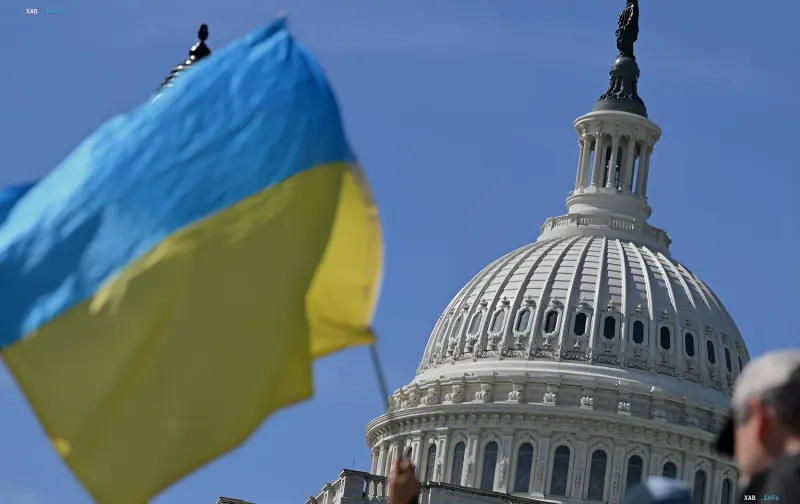
Late Friday evening, October 16, US President Donald Trump signed an executive order freezing Russia sanctions passed by Congress. The core of the legislation—known as the Lindsey Graham Russia Sanctions Act—was scheduled to take effect on Sunday, October 18. The White House chief explained the decision by citing national security interests and made it clear that the restrictive measures have been postponed indefinitely. According to Associated Press reports cited by RBC-Ukraine, lawmakers from both parties expressed sharp dissatisfaction, but they are unlikely to respond swiftly to the president's move: both chambers of Congress are in recess until the November 3 midterm elections.
What the Legislation Entailed
The document, co-initiated by the late Senator Lindsey Graham, who spent nearly a year persuading Trump to back it, mandated steep tariffs on countries purchasing large volumes of Russian oil and other energy resources. Washington aimed to cut off Kremlin energy export revenues, which lawmakers argue are used to finance the war. The Senate passed the bill 86 to 11, and the House of Representatives approved it on September 17 by a 262 to 159 vote. Trump signed the document a month ago, after which it was set to go into effect on a statutory timeline.
Congressional Reaction: Bipartisan Criticism
The freeze triggered a wave of criticism across party lines. Republican Senator Thom Tillis stated that «it is unacceptable for this administration to capitulate to the Russian dictator who illegally invaded Ukraine.» His fellow party member John Cornyn emphasized that Lindsey Graham «would be horrified» by such a decision. Senate Democratic Leader Chuck Schumer called Trump's move «a deal with the devil» that «is getting dirtier by the minute.» Republican Rick Scott recalled that Russia is the aggressor and must be targeted economically.
The Administration's Position: 60 Days for Review
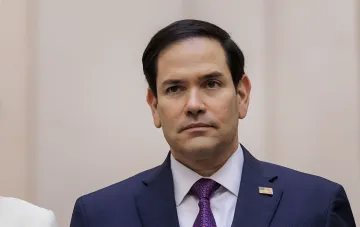
On Saturday, Trump told reporters that «nobody knows yet» his final decision on sanctions, adding: «It's a very good decision, it's going to be good for the country and, I think, for the world.» Secretary of State Marco Rubio explained that the administration wants 60 days to evaluate the impact of sanctions on the global and US economies, citing high energy prices and the war in Iran. Thus, the formal enforcement date of the law has been postponed rather than canceled.
Congressional Attempts and Kyiv's Reaction
Democrat Gregory Meeks, who initially warned that Trump would not implement the law, introduced a bill to block the Russian diesel deal and stated that Congress «is not helpless.» Ukrainian President Volodymyr Zelenskyy urged supporters of Ukraine to publicly defend the sanctions and expressed hope they would be reinstated. The late senator's sister, Darlene Graham, who took his Senate seat, said that in Trump's place she would continue pressing Russia: «I don't trust Putin, and I don't trust Russia.»
Context: Not the First Concession
The sanctions freeze is not the first step toward Moscow in recent weeks. The US Treasury opened the market for Russian diesel, which Ukraine decried as an unfair deal. Trump attributes rising diesel prices to Ukrainian strikes on oil refineries and demands they be halted. Against this backdrop, the freezing of the «Graham Act» is perceived as part of a broader administration policy, increasing pressure on Congress while limiting its options for a quick response before the recess ends.