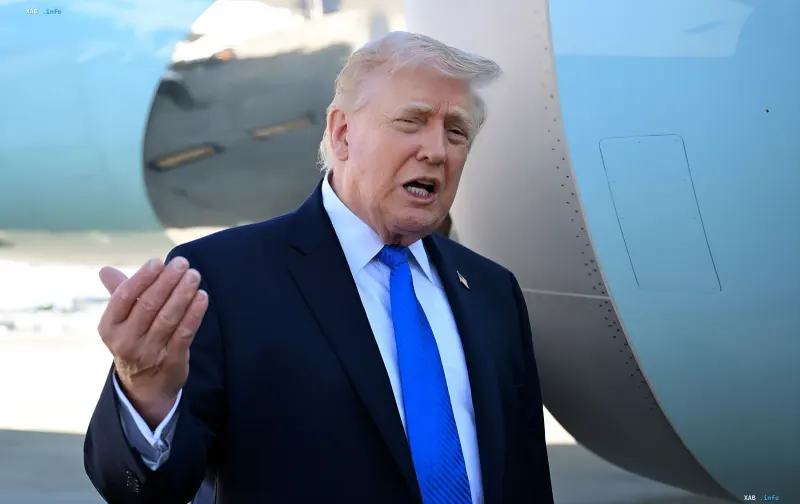
The US is not ruling out a positive outcome of negotiations with Iran, but at the same time is preparing for an alternative scenario — resuming military action if diplomacy fails. This was stated by US President Donald Trump while speaking to journalists aboard Air Force One.
Iran is requesting a meeting — through intermediaries and directly
According to Trump, Tehran has officially expressed a desire to hold new negotiations. "Iran has requested a meeting both through intermediaries and directly. We are meeting, and I think positive events may occur," the American leader noted.
This statement became the first official confirmation that the Iranian side is ready for dialogue following a series of tense events, including multi-day US strikes on Iranian facilities.
Market reaction: Oil prices drop in anticipation of progress
Trump also pointed out the sharp decline in global oil prices, which, in his view, may indicate investor expectations regarding a possible breakthrough in negotiations between Washington and Tehran.
"There is a high probability that something good may happen. If not, we will return to what we were doing two days ago," he added, clearly referring to the resumption of airstrikes.
Pause in strikes: The US gives diplomacy a chance
For 13 nights in a row, the US carried out strikes on Iranian facilities. However, according to Bloomberg, since the evening of July 24, US military forces have not conducted new operations. Iranian authorities and local media have also not reported any new attacks.
Against the backdrop of this pause, US Ambassador to the UN Mike Waltz stated that President Trump is giving Tehran "room for diplomacy." At the same time, he emphasized: if Iran does not approach negotiations seriously, Washington is ready to return to a forceful scenario.
What's next? Two paths — diplomacy or escalation
The situation remains extremely tense. On one hand — the readiness of both sides for dialogue; on the other — a clear warning about the readiness to resume hostilities. The world is watching the development of events, understanding that every step could lead either to de-escalation or to a new escalation of the conflict.