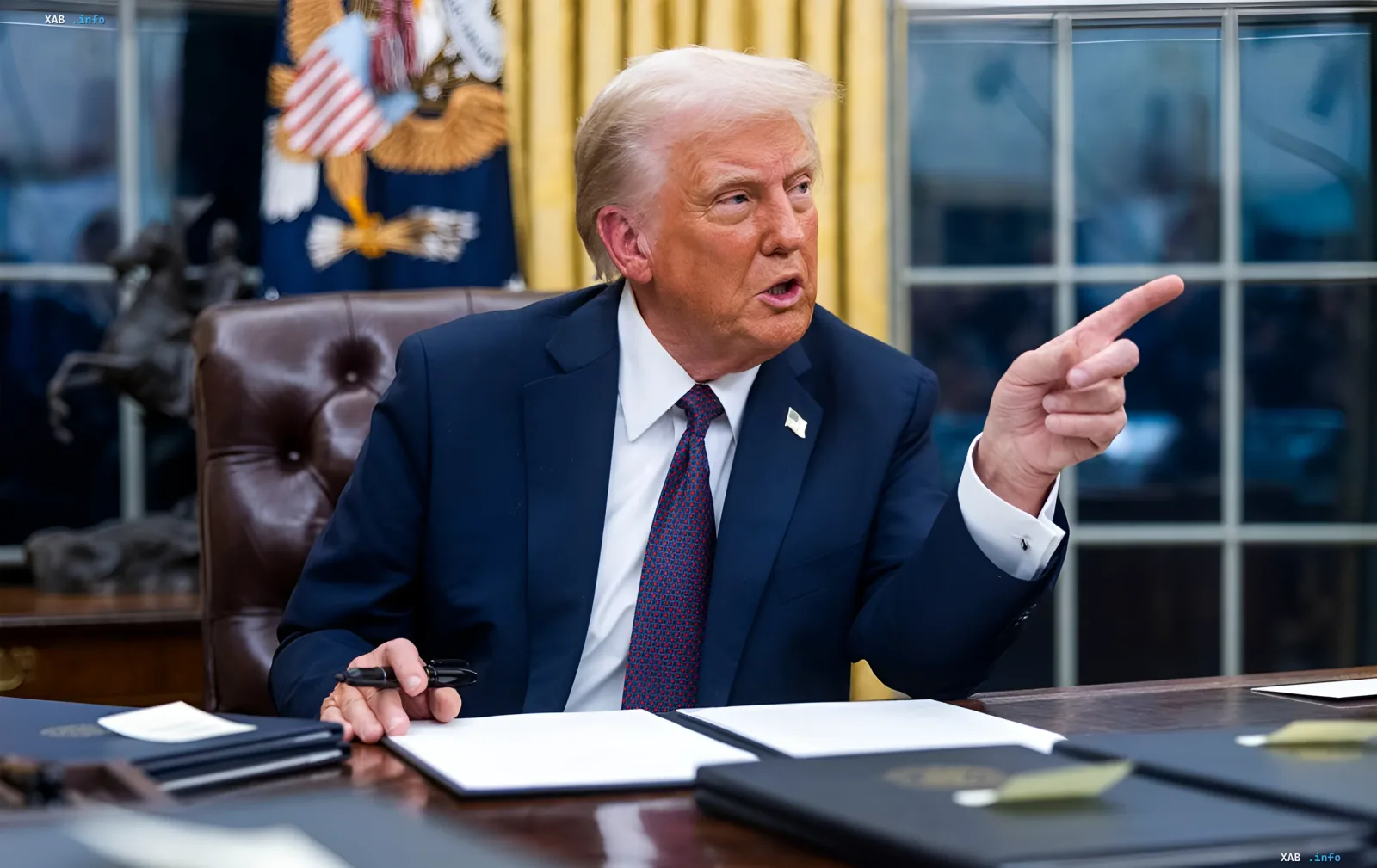
US President Donald Trump, in a post on the Truth Social network, stated that a 'largest oil deal in world history' had been concluded between Washington and Caracas. This was reported by RBC-Ukraine, citing his post. The statement came amid what the American leader described as already developing relations between the two countries and immediately sparked widespread resonance both within the US and in international media.
Controlling Stake at No Cost to Taxpayers
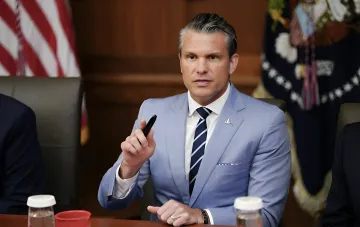
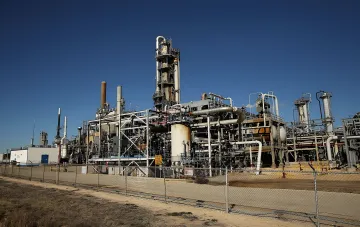
According to the text of the post, at Trump's direction, US Secretary of State Marco Rubio and Pentagon chief Pete Hegseth, working in close cooperation with Venezuela's interim president Delcy Rodriguez and in partnership with private business, secured a controlling US stake in more than 65 billion barrels of proven oil reserves in Venezuela. The president emphasized that this stake was obtained by America at no cost to American taxpayers.
Lower Gas Prices and Strengthened Relations
'This historic deal more than doubles American oil reserves, significantly expands our oil supplies, and will substantially lower gas prices for all Americans for many years to come, helping Venezuela continue down the path to great success and prosperity,' Trump stated. Summing up, he added that the deal would significantly strengthen the 'already developing relations' between the US and Venezuela.
Bloomberg's Version: Negotiations and a Scandalous Intermediary
Shortly before the president's statement, a piece was published in Bloomberg reporting that the US is seeking to obtain a significant share in Venezuela's oil reserves through a potential partnership between the Pentagon and Alejandro Betancourt — a scandalously known investor in the energy sector who has become a key intermediary between the two countries. According to the publication's sources, negotiations are focused on 17 oil fields located in Venezuela's main oil-bearing basins.
Context: Military Operation and Unprecedented Powers for Rubio
The statement came against the backdrop of a radical change in the region's status quo. In early 2026, according to available data, Trump carried out a military operation in Venezuela, during which the country's president Nicolas Maduro and his wife were kidnapped and handed over to trial in the US. Recently, the American leader suggested that a military operation could take place in Cuba as well, following the Venezuelan model. In addition, in the summer, media reported that Secretary of State Marco Rubio had been granted unprecedented powers in Venezuela — in particular, over the country's financial system, oil industry, and the work of its state institutions.
Contradictory Data
There are significant discrepancies between the parties' statements and fact-checking data. First, Trump describes the deal as already concluded and 'historic,' whereas Bloomberg characterizes the process as a 'potential partnership' and 'negotiations' focused on 17 fields — that is, as a process that has not yet been completed. Second, the scales differ: the president's post speaks of a controlling stake in more than 65 billion barrels of proven reserves, while Bloomberg's source operates with the specific figure of 17 oil fields. Third, the legal and sovereign logic of the deal itself raises questions: obtaining a 'controlling stake' in a sovereign state's proven reserves 'at no cost to taxpayers' is not confirmed by independent documents and is not described in detail. Finally, the information is based predominantly on a one-sided statement by the American president on social media, rather than on published agreements or statements from the Venezuelan side.