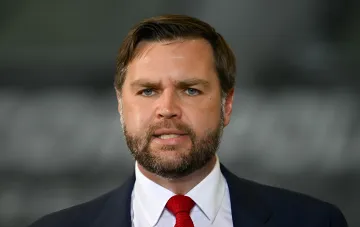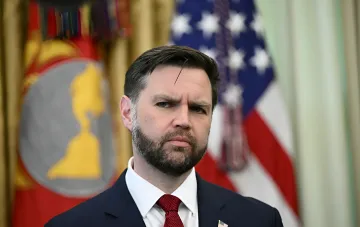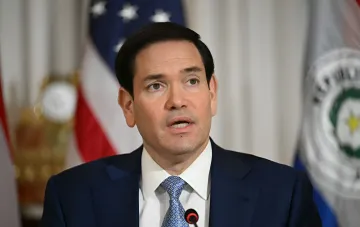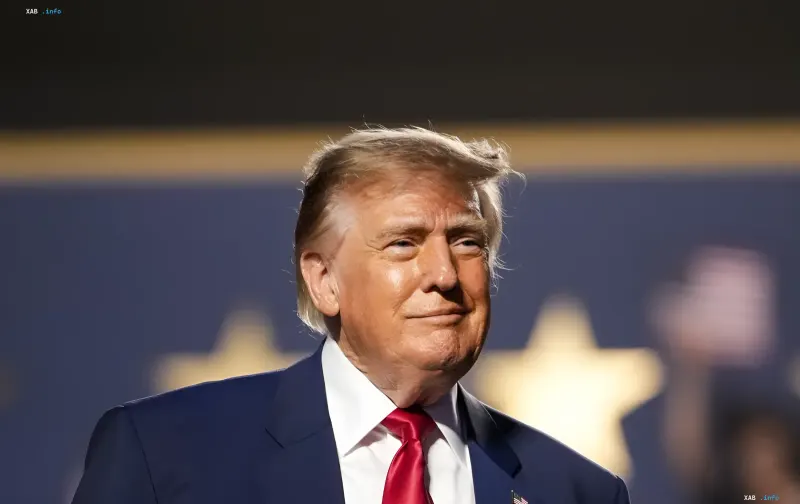
US President Donald Trump has publicly outlined potential candidates from the Republican Party for the upcoming presidential election in 2028. Speaking on Fox News when asked about a potential successor, the head of the White House did not name a specific politician ready to take over the country's leadership, but pointed to two key figures in his inner circle: Vice President JD Vance and Secretary of State Marco Rubio. "Obviously, JD is the vice president. Marco is also among the top contenders. They are both doing a fantastic job, both are very, very popular," Trump stated, emphasizing that the party has many politicians capable of holding the presidency.
"A Strong Bench"
Expanding the list, the American leader highlighted the Republican Party's deep talent pool and contrasted it with the Democratic Party. "You have JD, Marco, and many others, we have a strong bench, they don't," he stressed. At the same time, Trump did not rule out other party representatives entering the presidential race: "But there could be surprises. We have very capable people." Thus, he effectively rejected the idea of a pre-appointed successor, retaining the right to influence the balance of power within the party.
Vance and the "New Right" Project
Particular attention to the vice president's figure is due to his recent political moves. According to sources, JD Vance aims to unite Republicans dissatisfied with Donald Trump's current policies and is considering the creation of a new political alliance ahead of the 2028 election. Specifically, he advocates for forming an alliance of the so-called "New Right," which could be joined by supporters of returning to the original principles of the MAGA movement ("Make America Great Again"). Key priorities of this movement include avoiding US involvement in foreign conflicts, lowering the cost of living, and strengthening state border security.
Foreign Policy Criticism
Some supporters of this approach criticize Trump for allegedly tying US foreign policy too closely to Israel's interests. Previously, Republicans publicly expressed dissatisfaction and called for a change in political course, while the head of the White House himself cited the key reason for his party's defeat in the past elections. Despite growing pressure within the party, Vance reportedly does not intend to distance himself from Trump or sever political ties with him, keeping him within a unified Republican structure.
Election Campaign Context
Vance's activity ahead of 2028 is also evident at the organizational level. According to the Washington Post, since September, the vice president has held 17 events supporting Republicans, speaking in traditionally Republican states and raising funds for party candidates. These steps, along with Trump's public assessments, indicate that the struggle for succession within the Republican Party has already begun and will shape the balance of power in the next presidential election.