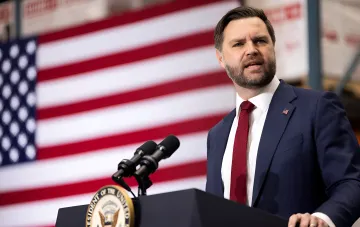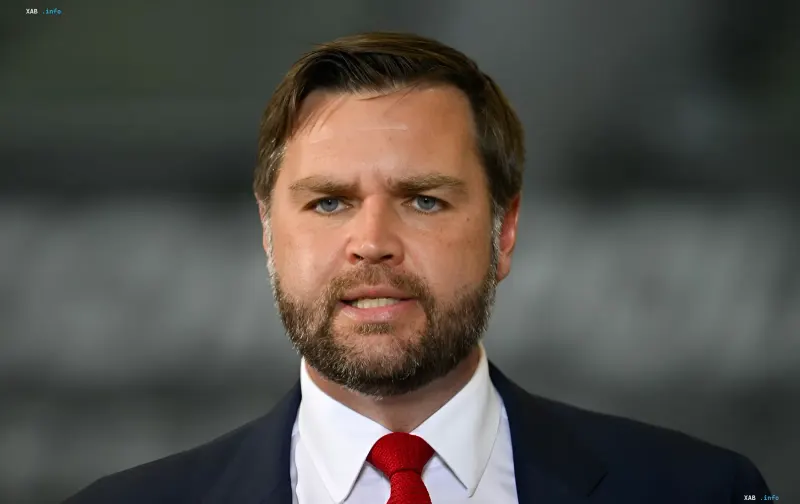
US Vice President JD Vance will make a final decision on running in the 2028 presidential election only after the New Year, and he may publicly announce his plans near the end of spring. This is reported by sources close to the vice president's inner circle, cited by American publications. According to them, the nomination question remains unresolved: Vance is discussing it with his family, including his wife Usha, following the birth of their fourth child. Sources note that this decision-making timeline took shape even before the midterm congressional elections held on November 3.
Why the Decision is Being Delayed
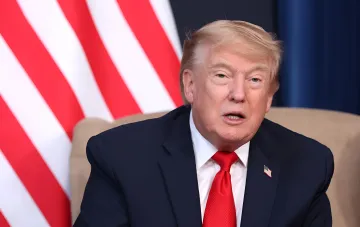
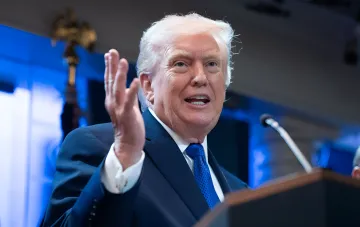
One reason for caution is named as Donald Trump. Vance's team fears that starting the presidential campaign too early would distract attention from the incumbent president and might anger him. An additional factor has been the war with Iran: according to Axios, in private conversations the vice president opposed this conflict, and his public criticism after the elections was perceived by some in the party as an attempt to distance himself from Trump's decision. Trump himself acknowledged that Vance's words about the war "did not sit well with many," but emphasized that he does not hold it against him and their relationship has not suffered. On November 12, the president instructed Vance to shift his focus from the Iran negotiations he was leading to combating corruption and crime.
Republican Defeat Changes the Landscape
The Republicans' defeat in the midterm elections provided arguments to those within the party who want to move away from Trump's course. At the same time, Vance will likely have to answer for the current administration's actions, which complicates his potential campaign. According to CNN, immediately after the November 3 elections, the vice president developed doubts about his presidential ambitions: more than ten allies and advisers told the network that he is seriously considering not running, with the war with Iran cited as one of the main obstacles. After the voting, Vance himself blamed this conflict for the defeat and urged a focus on ending it and addressing US domestic problems. At the same time, other allies are confident that he will still decide to run, pointing to his age: at 42, they say, he has the opportunity to "make another attempt" if the situation changes.
Infrastructure and Fundraising
Despite the uncertainty, Vance remains the leading contender for the Republican nomination. His allies point to a developed donor network, political infrastructure, and high name recognition. A special role may be played by the Rockbridge network, co-founded by the vice president: it can become the basis for his fundraising and has ties with Peter Thiel, David Sacks, and Elon Musk. Observers believe this very infrastructure makes him the most prepared candidate should he decide to enter the race.
Who Might Compete
Vance's potential campaign is reportedly being prepared by Texas Senator Ted Cruz, though many Republicans doubt he can seriously compete with the vice president. Secretary of State Marco Rubio is considered a more dangerous rival, even though he has repeatedly stated he will support Vance. Other potential contenders mentioned include Glenn Youngkin, Brian Kemp, and Ron DeSantis. The latter called the Republican midterm defeat a "near-extinction-level" event. Responding to questions about Vance's political prospects, Trump himself suggested that he "maybe won't" run, adding that no one yet knows who is running for head of state, and there could be many candidates — or none at all.