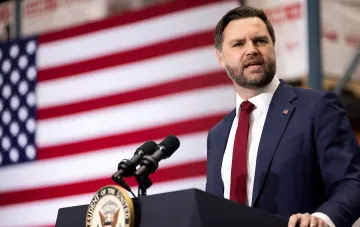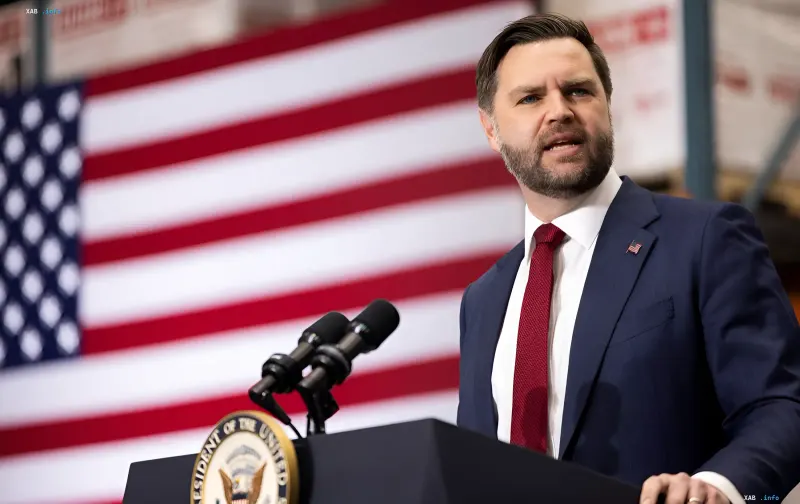
In recent months, US Vice President JD Vance has led a circle of advisors within Donald Trump's inner sanctum who have consistently recommended that the President strike a deal with Iran and end military operations. According to sources, a majority of high-ranking officials shared this stance. Vance, who participated in summer negotiations with Tehran, had privately accused Israeli Prime Minister Benjamin Netanyahu of being "wrong about everything" regarding the Iran issue. After the Republicans suffered losses in the midterms, Vance brought these arguments into the public sphere, directly linking the party's failure to the continuation of the war.
"Everyone knows why we lost"
In a public statement, Vance declared: "The President himself said it last night. If you want to argue that it was worth it, that losing the Senate for the next six years was worth it, then go ahead. But everyone knows why we lost. And any honest conversation about where we go from here has to start there." The Vice President also described US-Israel relations as a major obstacle for Republicans in future elections, emphasizing that the war is extremely unpopular with the electorate. In an interview with CBS News, he admitted that gasoline prices are "too high right now," attributing this to Tehran attacking oil tankers and disrupting shipping in the Strait of Hormuz. At the same time, Vance argued that a US withdrawal from the region would have led to an even greater rise in fuel prices, and that "in a sense," the US has already achieved a decisive victory, though "the enemy gets a vote too."
Trump partially supports critical analysis but keeps hardline stance
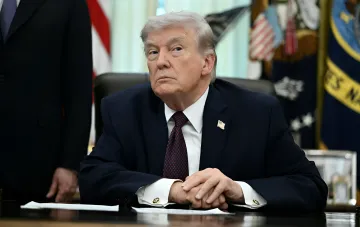
On Wednesday, Donald Trump told reporters that Vance's analysis was "largely correct" and acknowledged that the war had driven up gas prices. However, the President simultaneously stressed: "We had no choice. You can't let Iran have a nuclear weapon," adding that he would repeat strikes if necessary: "Whenever I want. But it has to be done right, because they don't have a nuclear weapon." According to sources, at one point, Trump considered striking before the midterms, as Netanyahu insisted, but ultimately decided to wait. Contrary to the advice of key aides, the President supported Netanyahu in the Israeli elections last week.
Military preparations and diplomatic efforts run in parallel
US military forces are finalizing preparations for a possible resumption of major combat operations in Iran: additional resources are being deployed to the region, US officials report. Simultaneously, Qatari mediators are working to ensure that the US and Iran support a draft agreement intended to prevent a return to hostilities and, potentially, resume direct talks in the coming days. Even before the elections, mediators asked the White House for clarification on what Trump intended to do in the event of a loss. According to a source familiar with the situation, the President's aides could not confirm any of the options: "We told everyone that we first wanted to see how the elections ended for us."
Rift within the administration and Tehran's reaction
According to The Wall Street Journal, the Trump administration remains divided on its course after the elections: some officials recommend new strikes followed by a peace deal, while others urge ending the operation. Republicans and political consultants have urged Trump to change course, refresh his White House team, improve discipline, and abandon the decisions that led to negative outcomes. Iranian officials, conversely, have publicly celebrated Trump's defeat. An Iranian leadership secretary wrote on X: "The Iranian nation has dealt Trump a strategic defeat on the battlefield and in Hormuz — and a political defeat in Washington. Meanwhile, Americans are stuck with the bills for his war. Anyone who rises against Iran will pay the price — from the battlefield to their own doorstep." Diplomats, Trump’s advisors, and Middle East experts warn that such rhetoric from Tehran may increase the likelihood of the President returning to a military scenario.