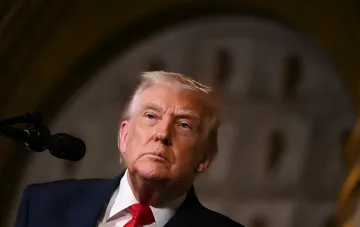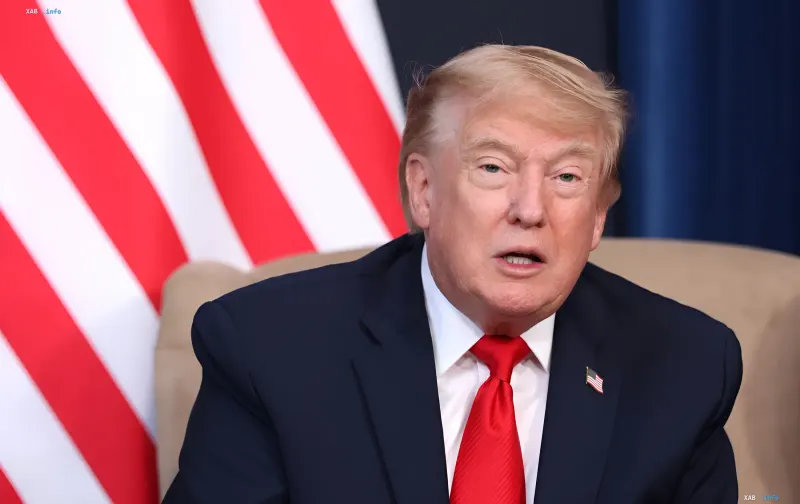
In a post on his Truth Social platform, US President Donald Trump accused Democrats of systematically threatening the Attorney General and several other officials with impeachment, describing these actions as "extortion of the highest order." According to him, Democrats themselves admit there are no legal grounds for such steps, yet they continue to use threats as an instrument of political pressure. Trump stated that Democratic leaders had sent threatening letters to "innocent people" and emphasized that Republicans "must hold them accountable."
Directive to the Department of Justice
In the same message, the president directly addressed the federal agency: "With this statement, I am directing the Department of Justice to immediately investigate this criminal act." Thus, Trump effectively initiated an internal investigation into opposition politicians, an extremely rare step for a sitting head of state in American political practice. Legal experts note that the president's directive does not create an automatic criminal case, but it sets the tone for potential checks by relevant DOJ divisions.
Accusations of "weaponizing the legal system"
Trump directed a separate block of accusations against Democrats for allegedly threatening Republican Party donors with prison sentences solely based on their political views. The president called this "the weaponization of power and the legal system." Furthermore, he accused Michigan Senator Elissa Slotkin of intending to "target young people who share Republican values" and called, in his phrasing, for "these extortionists to end up in prison."
Internal crisis in the Republican camp
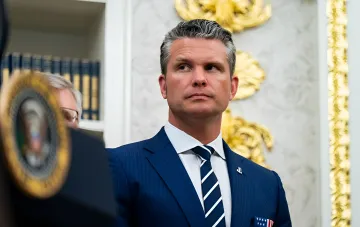
Trump's speech came against the backdrop of escalating internal divisions within the Republican Party following its defeat in the recent elections. Kentucky Congressman Thomas Massie, known as one of the president's fiercest critics within his own camp, announced his intention to bring a vote in the House of Representatives on the impeachment of Pentagon chief Pete Hegseth. According to CNN, some Republicans expect the initiative to gain support. As it became known on November 4, Trump himself had been calling close advisers to ask whether Hegseth should remain in office, though publicly that same day he told reporters he was not considering replacing him.
Disagreements over Iran and assessing the reasons for defeat
Another source of friction within the administration remains the Iran dossier. The White House has yet to develop a unified position: some officials insist on launching new strikes, while others advocate winding down the operation. On November 4, Vice President JD Vance publicly called the war with Iran one of the key reasons for the Republicans' election defeat, further increasing pressure on the administration's leadership ahead of new intra-party decisions.