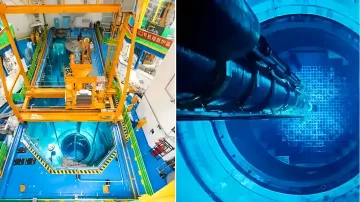
In the corridors of power in Washington, an event is brewing that could overturn the map of nuclear security in the Middle East. According to sources, the Donald Trump administration has already preliminarily agreed to terms allowing Saudi Arabia to enrich uranium on its own territory. This decision differs radically from standard international practices and calls into question the usual mechanisms of nuclear non-proliferation.
A Deal Awaiting Signature
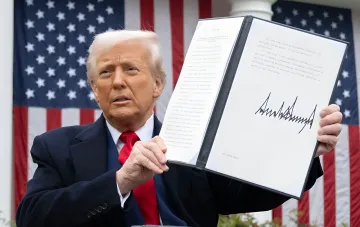
The draft agreement, which provides for extensive US support for Riyadh's civilian nuclear program, is ready for finalization. Negotiations between the two countries were successfully concluded back in October 2025, but the document is still awaiting the personal signature of President Trump. Sources indicate that the delay is related to the current geopolitical situation, specifically the ongoing war with Iran.
Trump himself has repeatedly stated that the conflict with Tehran was initiated precisely to prevent Iran from using enriched uranium to create a nuclear arsenal. In this logic, providing similar opportunities to Saudi Arabia looks like a complex political maneuver. Some members of Congress believe that the administration is intentionally delaying the process to avoid the adoption of a bipartisan resolution of disapproval, which could block the deal.
Unprecedented Terms and Departure from Standards
The essence of the proposal, which the Trump administration presented to Congress earlier this year, shocks experts. The document provides for a special provision allowing Saudi Arabia a certain level of domestic uranium enrichment and/or plutonium reprocessing. According to informed sources, this would be an unprecedented step for agreements of this type.
The key difference from previous practices is the refusal of the standard strengthened safeguards agreement with the International Atomic Energy Agency (IAEA), known as the "Additional Protocol." Instead of international oversight, control will be exercised exclusively within the framework of bilateral agreements between the US and the kingdom.
This decision contrasts sharply with the 2009 agreement between the US and the UAE. At that time, the Emirates agreed to strict IAEA oversight and completely renounced their own enrichment and reprocessing programs in exchange for the supply of American technologies.
White House Silence and Officials' Arguments
In response to direct questions about the details of the agreement, the White House does not answer, redirecting requests to statements made a year ago. Energy Secretary Chris Wright stated in October 2025 about the intention to develop a partnership and "maintain a firm commitment to non-proliferation," but did not reveal the nuances of the future treaty.
Although the uranium enrichment conditions will contain restrictions established by the US, the details of these restrictions remain hazy. Nevertheless, rapprochement with the Gulf countries remains a key strategic goal of the Trump administration.
Economic Context of the "Deal of the Century"
The nuclear agreement is only part of a massive economic rapprochement. Last year, Trump announced the signing of agreements with the UAE worth more than $200 billion. As part of the visit to the region, Saudi Arabia pledged to invest $600 billion in the US economy, and Washington, in turn, sold the kingdom $142 billion worth of weapons. Against the backdrop of these figures, the nuclear deal looks like a logical conclusion to the formation of a new alliance in the Middle East.