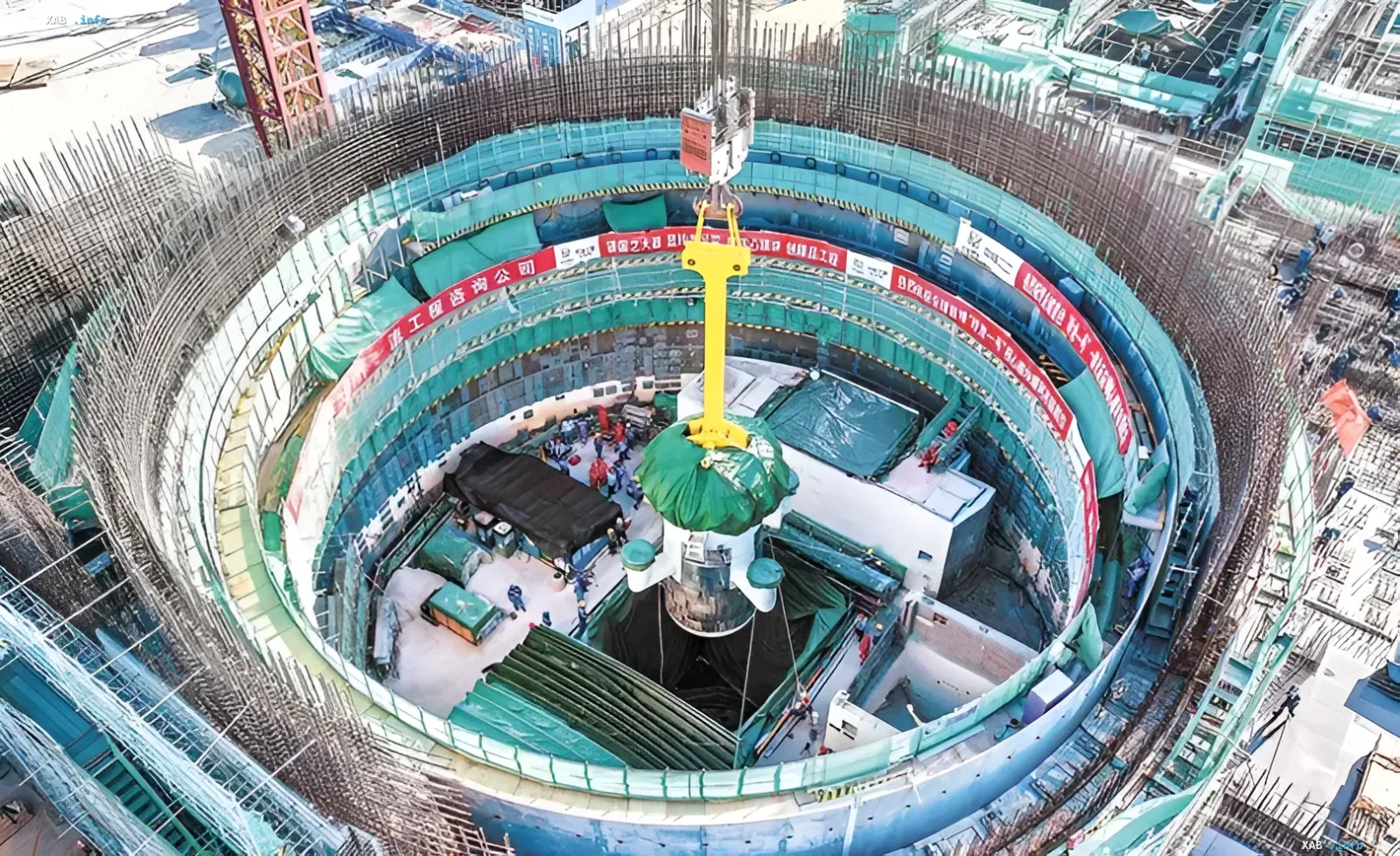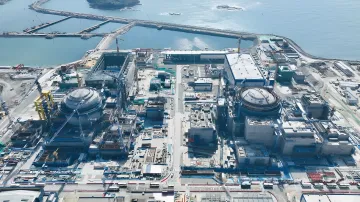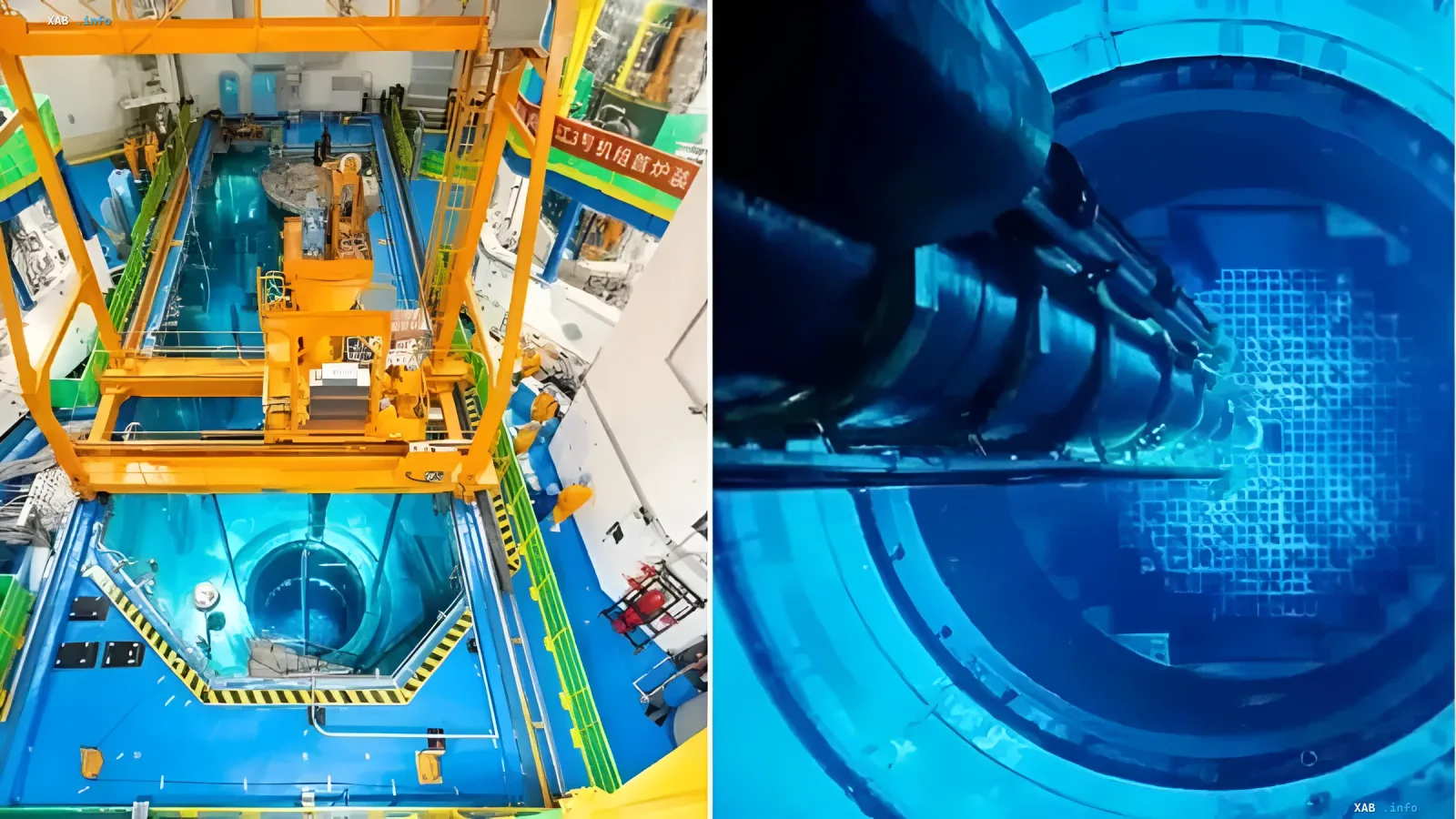
In Shanghai, as part of the World Artificial Intelligence Conference (WAIC), China presented a large-scale plan for the digitalization of the nuclear industry. For the first time in history, the forum was entirely dedicated to the integration of neural networks and nuclear technologies. The central event was the presentation of a roadmap for implementing artificial intelligence in all stages of the lifecycle of nuclear systems — from design to decommissioning.
AI for ADANES Project: A New Management Philosophy
The development belongs to the Chinese Academy of Sciences (CAS). The project is based on the ADANES platform (Accelerator-Driven Advanced Nuclear Energy System) — a promising nuclear energy system with an accelerator. This technology combines three key processes: nuclear fuel breeding, spent fuel reprocessing, and electricity generation.
The main difference between ADANES and traditional reactors lies in the subcritical operating mode. This fundamentally changes the principles of safety assurance, however, it requires unprecedented accuracy in process management and control, which is impossible without the help of advanced algorithms.
Why Standard Neural Networks Are Not Suitable for NPPs
Project developers emphasize that standard large language models are unsuitable for managing the nuclear energy sector. The problem lies in their "black box" nature: such systems do not allow for a full explanation of the decision-making logic, which is unacceptable in a field where the cost of error is too high.
The architecture of AI for ADANES is built on a fundamentally different approach, combining three elements:
- Huge data arrays;
- Precise physical models;
- Expert knowledge of specialists.
The system includes five levels of interaction: from a unified data infrastructure and physical process models to the management of technological systems, coordination of intelligent agents, and a mechanism for continuous development.
National CiADS Infrastructure and "Zero Tolerance"
To test the technology, China is building a national research infrastructure, CiADS. It will serve as an engineering site for testing ADANES under real conditions. Engineers plan to use AI to analyze huge streams of data from the operating facility. The goal is to detect deviations at the earliest stages and ensure operation with the declared "zero tolerance for safety violations".
Creating an Alliance for Industrial Implementation
Parallel to the project presentation at the conference, the creation of the AI for ADANES Alliance was announced. It includes scientific organizations, nuclear industry enterprises, AI-specialized companies, and financial institutions. The main task of the union is to accelerate the transition from experimental laboratory developments to full-scale industrial implementation of artificial intelligence technologies in nuclear energy.