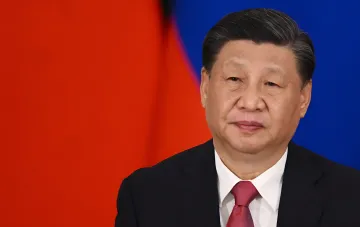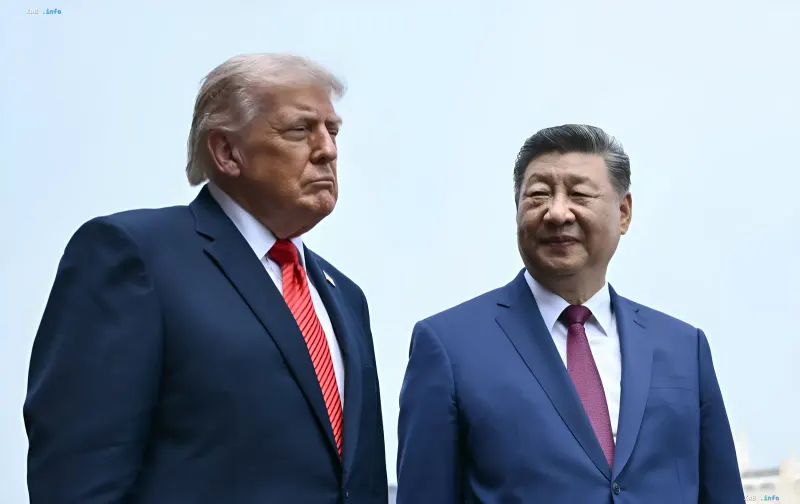
US President Donald Trump made a resonant statement following recent diplomatic contacts with Chinese leader Xi Jinping, confirming that the Taiwan issue was discussed. The American leader noted that the topic was raised during this week's talks but refrained from publicly repeating Washington's traditional formula regarding the island's status. According to the White House chief, the parties did not dwell on details because the Chinese leader is supposedly well aware of his personal stance.
Beijing's Reaction and Washington's Official Stance
These remarks came right after Chinese state media published a report on the bilateral meeting. The Chinese readout emphasized that Xi Jinping directly called on the United States to take a firm stance and openly oppose Taiwan's independence. However, Donald Trump neither confirmed the fulfillment of this demand nor expressed readiness to review established US foreign policy priorities. Washington's official doctrine invariably consists of refusing to support Taiwan's independence while opposing any unilateral attempts to alter the status quo by Beijing or Taipei.
Strategic Ambiguity and Regional Risks
Leading analytical publications, including Bloomberg, note that a potential fulfillment of Beijing's demands by the US would cause a massive political shock in Taiwan itself. Washington continues to adhere to the concept of strategic ambiguity, avoiding a direct answer regarding military intervention in the event of a direct conflict. Meanwhile, Beijing views the return of the island under its control as a historical task. Intensified diplomatic pressure aims to isolate the democratic technological hub and halt military supplies from the US, especially against the backdrop of forecasts by US administration advisors regarding potential force scenarios in the coming years.
Contradictory Data
In covering the held negotiations, noticeable discrepancies are observed between the official versions of the parties and analysts' interpretations. Chinese state sources focus on Beijing's demand to suppress any separatist tendencies in Taiwan, presenting this as a key element of the bilateral dialogue. At the same time, the American side led by Donald Trump seeks to minimize the public acuteness of the issue, claiming a lack of deep discussions and relying on personal mutual understanding with Xi Jinping. Independent experts emphasize that such rhetoric creates grounds for diplomatic speculation, as the lack of clear statements from the White House can be interpreted by Beijing as weakness and by Taipei as a potential risk factor.