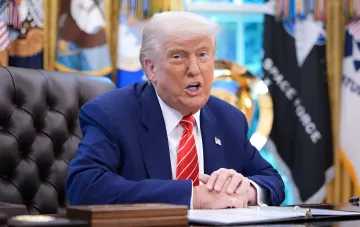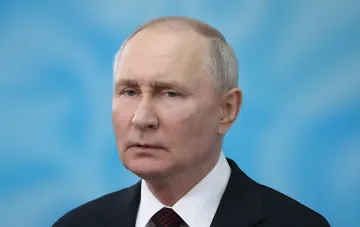
The administration of U.S. President Donald Trump, according to the Financial Times, is pushing for a peace agreement between Ukraine and Russia by early January 2026. The key reason cited is the shift in the American legislature: following the midterms in early November, the Republican Party reportedly lost its majority in both the House of Representatives and the Senate. Washington hopes to lock in a deal before control of Congress shifts in January to the Democrats, who are expected to strengthen support for Kyiv and increase sanctions pressure on Moscow.
Deadline and Fear of 'Forced Concessions'
In Kyiv and European capitals, the strict deadline is linked to the risk that Ukrainian President Volodymyr Zelenskyy could be pressured into unfavorable concessions. According to one Ukrainian official, "Trump likes Putin and wants to finish this by January," adding that in such a scenario, Russia could secure better terms. European diplomats, meanwhile, note that it is mainly Washington that is in a hurry, while the Kremlin does not intend to force events without its own requirements being met.
Resumption of Contacts After an Eight-Month Pause
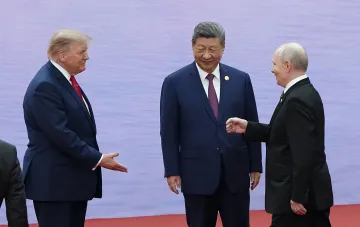
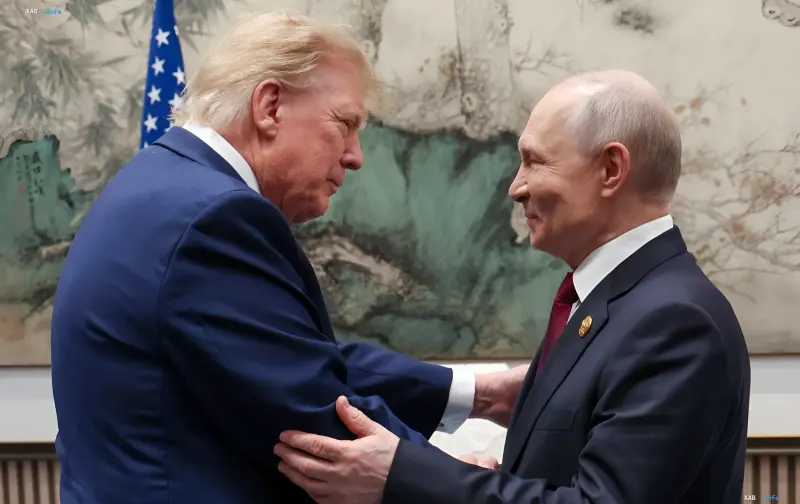
Trump's special envoy Steve Witkoff and his son-in-law Jared Kushner have, according to the FT, resumed negotiations with Kyiv and Moscow in Abu Dhabi following an eight-month pause caused by the war in Iran. In recent days, they have held a series of meetings in Moscow, Dublin, and Berlin. Earlier this week, Donald Trump met with Vladimir Putin in Shenzhen, China, with the participation of Chinese leader Xi Jinping; after the summit, the U.S. President stated that Moscow is ready for peace.
Moscow's Demands and the 'Unacceptability' of the NATO Model
The Russian side, according to the report, shows no readiness for a quick compromise. Putin is said to be demanding the handover of territories in Donbas to Russia, a ban on Ukraine joining NATO, and a reduction in the size of the Ukrainian army; Moscow also insists on changing the security architecture in Europe by reducing NATO forces on the eastern flank, and the Kremlin reportedly plans to use a new campaign of airstrikes as a lever of pressure. On November 20, the Russian Foreign Ministry called the U.S. proposal for security guarantees for Ukraine based on the NATO model "unacceptable": Deputy Minister Sergey Ryabkov stated that options for "quasi-membership" for Kyiv in the alliance were excluded for Moscow and demanded official recognition that Ukraine will never join the bloc.
Reaction of Kyiv and Europe, G20 in Miami
U.S. officials suggested that Trump might discuss the end of the war with European leaders at the G20 summit in Miami next month; however, a senior French official denied the possibility of such talks due to the lack of an invitation for Ukraine. Ukrainian authorities, according to the FT, also interpreted the speed limit on Starshield military satellite communications and delays in the delivery of Patriot missile systems as a way to weaken Kyiv's position during the negotiations. According to Western media, the U.S. offered Kyiv the chance to cede Donbas to Russia in exchange for NATO membership — a question American negotiators raised during consultations on ending the war and the future security architecture of Europe.