Washington is displaying a noticeable policy shift regarding the Russian and Ukrainian tracks, which Kyiv links to the approaching U.S. midterm congressional elections. After lawmakers passed a sanctions bill by Senators Lindsey Graham and Richard Blumenthal in mid-September, the restrictions expected in mid-October failed to launch in full: instead of tightening pressure on Moscow, Donald Trump’s administration began seeking avenues for agreements with the Kremlin and stepped up public criticism of Ukraine and President Volodymyr Zelenskyy personally. RBC-Ukraine reports this in the article «Ultimatum Without Guarantees. How Trump is Arm-Twisting Zelenskyy While Putin Prepares a Hard Winter».
Sanctions Bill Passed But Not Enacted
In mid-September, the U.S. Congress finally passed the sanctions package prepared by Senators Graham and Blumenthal. Initially, the document was expected to take effect, at least partially, by mid-October, which should have increased pressure on the Russian economy. However, according to the publication, Trump chose a different course: harsh restrictions did not become a policy tool, giving way to the search for channels of agreement with Moscow. In practice, the adopted bill was frozen at the implementation stage, which in itself signaled a shift in priorities within the White House.
The «Diesel Deal» as a First Gesture
One of the most visible manifestations of the new line was the so-called «diesel deal,» which allowed Russia to resume fuel supplies to external markets. Western observers note this does not necessarily mean radical changes for the Russian economy, but the very fact of easing restrictions was seen as a signal of Washington's readiness for pragmatic cooperation with Moscow. According to a knowledgeable source within the Ukrainian government speaking to RBC-Ukraine, the American side believes that concessions can induce Russia to negotiate and ultimately achieve a truce or peace agreement.
Arctic, Gas, and «Lukoil»: The Menu of Offers to the Kremlin
Diesel fuel, according to Western media, may be just one area of potential rapprochement. Among the proposals discussed by American representatives are the resumption of Russian gas supplies to Europe, a framework security agreement involving Russia and European countries, and the issue of frozen foreign assets of the «Lukoil» company. As the same publication source noted, «Dmitriev is actively seducing them with various stories about Arctic riches that they can jointly develop.» This approach assumes that economic prospects should serve as an incentive for the Kremlin to come to the negotiating table, but experts warn it carries a risk: Russia may gain additional economic opportunities without making substantial steps toward peace.
Congressional Elections as a Hidden Driver
An additional explanation for Trump’s actions is the approach of the midterm congressional elections scheduled for November 3. It is important for the U.S. president to demonstrate his administration's successes, even if this does not necessarily help the Republican Party retain control of both chambers. In this configuration, lower fuel prices and assurances that the war with Iran is «almost won» can become weighty arguments before the American voter. Thus, foreign policy concessions to Moscow partially serve the White House's domestic political agenda.
Attack on Zelenskyy and the Myth of Tomahawk Missiles
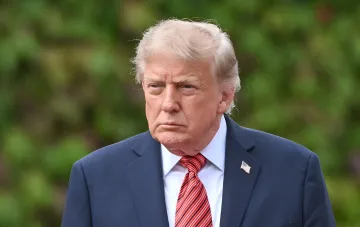
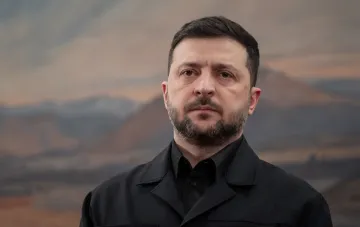
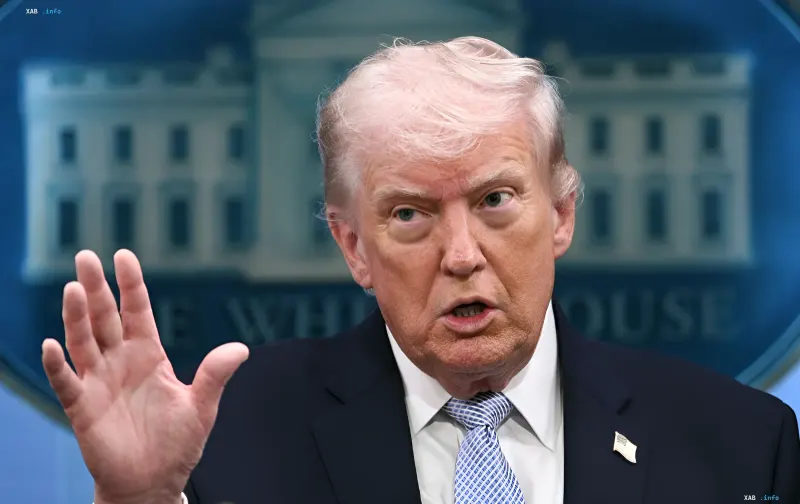
Against the backdrop of rapprochement with the Kremlin, Trump noticeably stepped up criticism of Zelenskyy: he accused the Ukrainian president of unwillingness to reach a deal, spoke of the need to elect a new leader of Ukraine, and questioned the use of American aid under the Joe Biden administration. Separately, the U.S. president spread claims that Ukraine allegedly traded American Tomahawk cruise missiles, although, as RBC-Ukraine notes, Ukraine never received such missiles from the U.S. Among the sources cited by Trump was an interview with Zelenskyy’s former press secretary Iuliia Mendel.
Unofficial Channels Operate, But No Breakthrough
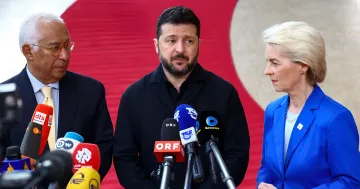
Despite public verbal sparring, unofficial diplomatic contacts continued between Kyiv and Washington. According to the publication, last week the Ukrainian side sought an opportunity to organize a new meeting with American representatives in Europe, where Zelenskyy was visiting at the time. «If we manage to meet with Witkoff and Kushner, maybe we could try to push the drone-deal topic from the U.S. and steer the discussion back in that direction,» one of RBC-Ukraine’s knowledgeable sources said. At the same time, the publication emphasizes that there are currently no grounds to speak of a significant improvement in relations between Kyiv and Washington.