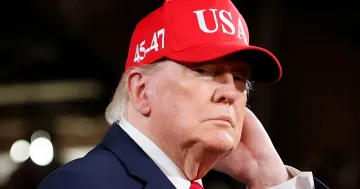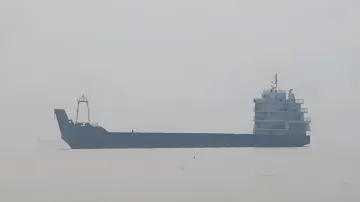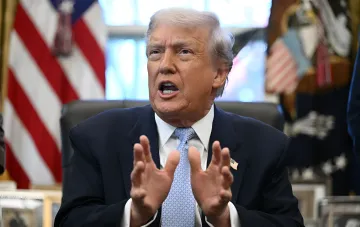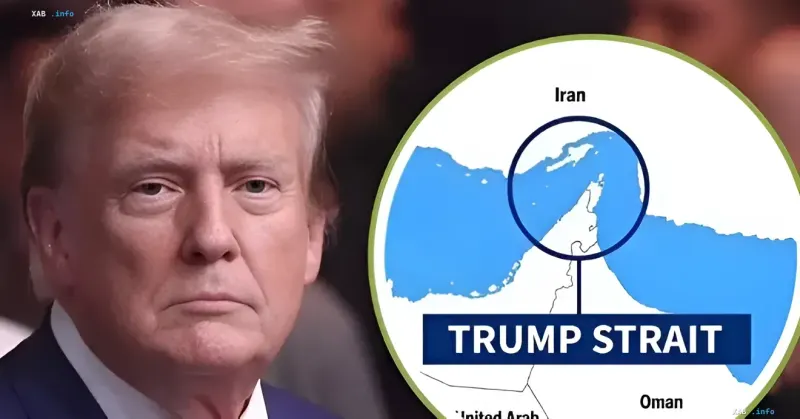
US President Donald Trump made a resonant statement on Truth Social by publishing a map where the strategically vital Strait of Hormuz is labeled as the 'Trump Strait'. This symbolic move immediately followed reports from major US media outlets that Washington had rejected Iran's proposal for a seven-day ceasefire and the resumption of commercial shipping in the region.
Background and Diplomatic Deadlock
The escalation around the Strait of Hormuz has reached a critical juncture amid mutual accusations and harsh sanctions. The Iranian leadership initiated a temporary halt to hostilities for seven days, which was intended to serve as a basis for reopening the maritime corridor. However, Iran also demanded that the United States fully lift the naval blockade, unfreeze sovereign assets, and cancel oil restrictions, which effectively blocked a compromise.
Washington's Reaction and White House Plans
According to The Wall Street Journal, the US administration reacted skeptically to Tehran's initiative. President Donald Trump informed his advisers of his reluctance to accept the current truce terms and indicated that he is considering severe military measures, including resuming the bombing of Iranian sites following the November midterm elections. Publishing the 'Trump Strait' map served as a vivid demonstration of the White House's hardline stance.
Contradictory Data
While official sources in Washington claim the peace initiative has been definitively rejected and express readiness for a military scenario, analysts and insiders note that the situation remains fluid. In parallel with public rhetoric, the US and Iran continue maintaining backchannel communications through intermediaries such as Qatar and Pakistan. Furthermore, the possibility remains that the US administration's position could shift as nuclear negotiations progress.
Iran's Position and Mediation Efforts
Iranian President Masoud Pezeshkian reaffirmed Tehran's commitment to a diplomatic resolution, stressing that the closure of the strait was merely a natural reaction to the blockade of Iranian ports. Nevertheless, according to Pezeshkian, Iran is losing faith in dialogue with Washington, as every round of negotiations is consistently followed by intensified sanctions and renewed threats of military intervention.