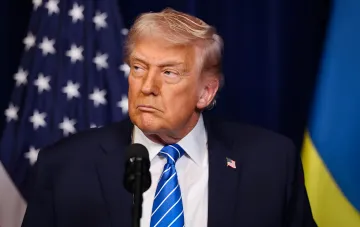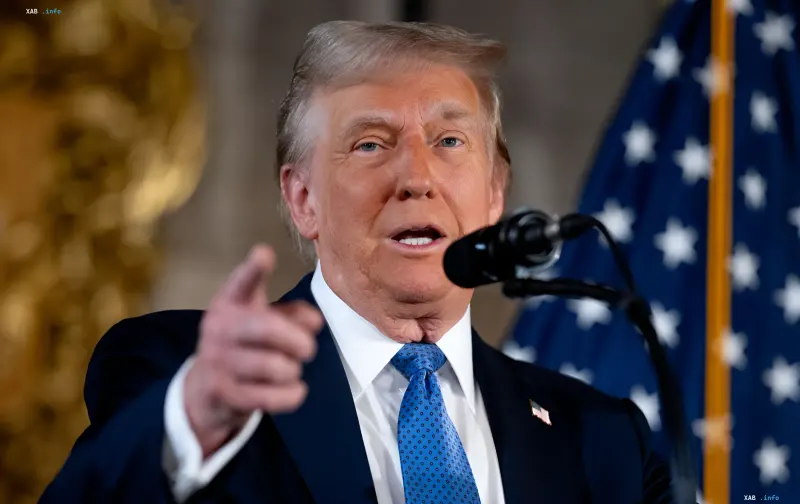
US President Donald Trump has announced his intention to officially ban the use of the term "artificial intelligence" in all relevant documents and other materials in the near future. He made this statement on his social media network, explaining the decision by stating that the existing name is "very unfortunate and inaccurate." The statement comes against the background of measures already taken by the administration to replace terminology in the technology sector.
Rationale and Mention of The Wall Street Journal
In the publication, Trump specifically noted that The Wall Street Journal continues to use the term "artificial intelligence." According to him, the alternative name—"superintelligence"—is already used by "almost everyone else" or "will soon begin to be used." "Soon we will officially ban the use of the term 'artificial intelligence' (AI) in all relevant documents and any other materials due to its inaccuracy," the president stated.
Previous Steps: Executive Order and New Structure
The statement was a continuation of a series of measures that the US administration has taken in the field of terminology and the organization of work with technology. In late September 2026, Trump signed an executive order requiring federal agencies to use the term "superintelligence" (SI) instead of "artificial intelligence" (AI). The goal, as indicated, is to change public perception of the technology.
In addition, it was previously announced that a new government structure—the "Super Intelligence Force"—would be created to coordinate the American administration's policy in the field of artificial intelligence.
Details and Open Questions
In the new publication, the president did not disclose the mechanism for implementing the ban and did not specify what measures might be applied to those who continue to use the previous term. Previously, reports indicated that Trump called those who refuse to use the term "artificial intelligence" "enemies." Thus, the announced ban remains at the level of statements without published regulatory details.
Significance for the Industry
Changing official terminology at the level of federal documents could affect wording in government procurement, reports, and regulations, but practical consequences for the commercial sector and the international community have not yet been determined. Further developments will depend on whether a corresponding regulatory act appears and how exactly it will be implemented.