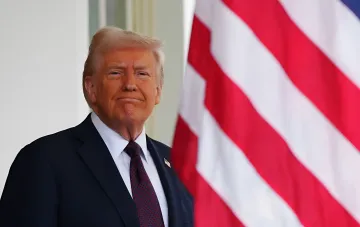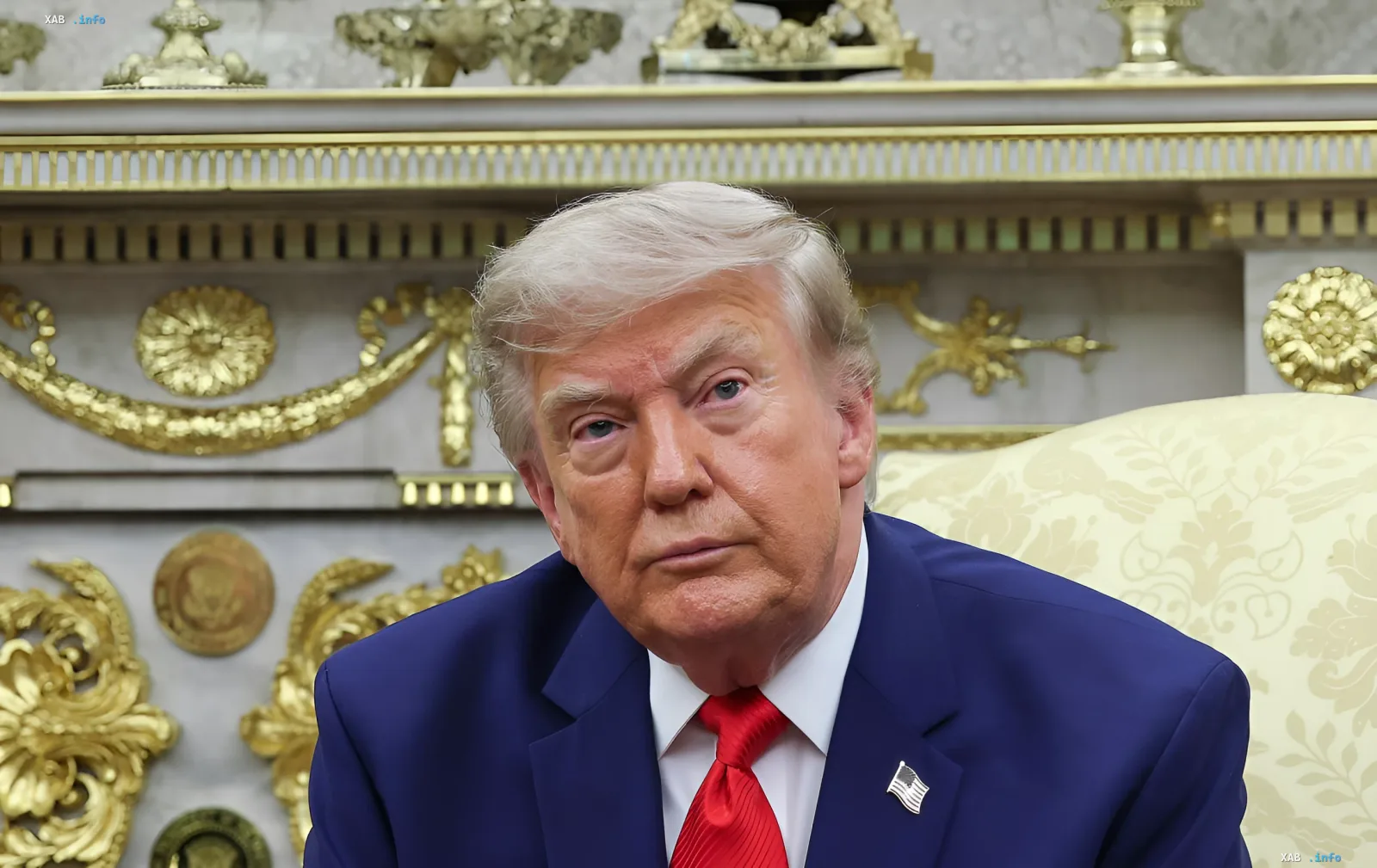
US President Donald Trump has once again harshly criticized the Ukrainian leadership, placing the responsibility on Kyiv for the absence of a peace agreement with Moscow. Speaking to reporters at the White House, the American leader stated that Russia's position appears more constructive, and that Russian dictator Vladimir Putin is supposedly sincerely interested in a speedy settlement of the protracted conflict. Such statements once again highlight a serious shift in Washington's rhetoric.
White House Claims Against Kyiv and the Human Factor
Answering media questions about possible new diplomatic missions by special envoy Steve Witkoff and Jared Kushner, Donald Trump chose to pivot the topic to Ukrainian President Volodymyr Zelenskyy. According to the American leader, the Ukrainian side missed numerous opportunities to achieve a compromise in the past. Trump argued his position with statistics on troop numbers, claiming that one side supposedly had a million more soldiers, and called the refusal to make a deal two years ago on better terms a display of shortsightedness.
Assessment of the Kremlin and the Energy Factor
In addition, the US President gave a positive assessment of recent contacts with the Kremlin, stating that Vladimir Putin demonstrates a readiness for peace. Trump paid special attention to the economic component of the issue, praising Russia for supplying energy resources to the global market at relatively low prices, which, in his opinion, stabilizes global fuel markets.
Contradictory Data
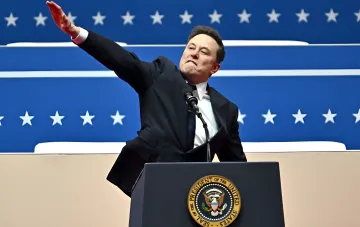
It is worth noting that Donald Trump's public assertions about Moscow's peace-making intentions sharply diverge from the actual statements of the Russian side. Specifically, Russian dictator's aide Yuri Ushakov reported that during a telephone conversation with the American leader, Putin emphasized the immutability of the strategic goals of the war and ruled out the possibility of a speedy resumption of peace talks with Ukraine. Against this backdrop, a diplomatic crisis is escalating between Washington and Kyiv, exacerbated by a deal to sell Russian diesel, which the Ukrainian side called "Alaska Number Two," after which Trump publicly questioned Zelenskyy's legitimacy with support from Elon Musk.
Outcomes and Potential Consequences
Analyzing the current dynamics of relations between allies, experts note a rapid narrowing of the room for compromise. Washington's demands for holding elections in Ukraine and shifting the focus in the negotiation process create additional internal tension in Kyiv, threatening further military and political support from the United States amid ongoing aggression.