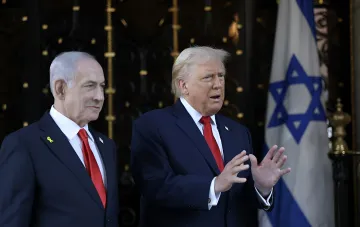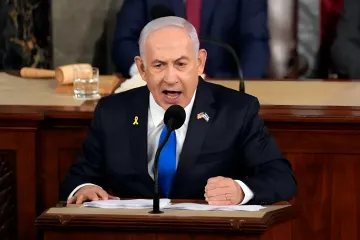
US President Donald Trump has officially declined to support incumbent Israeli Prime Minister Benjamin Netanyahu in the upcoming parliamentary elections scheduled for October 27, 2026. According to Axios sources, the decision is based on a pragmatic calculation: Trump is unwilling to spend his political capital on a candidate whose chances of victory are rapidly dwindling. Behind the scenes at the White House, the assessment is blunt: "Bibi is his own worst enemy."
Lies in the Oval Office and the collapse of ratings
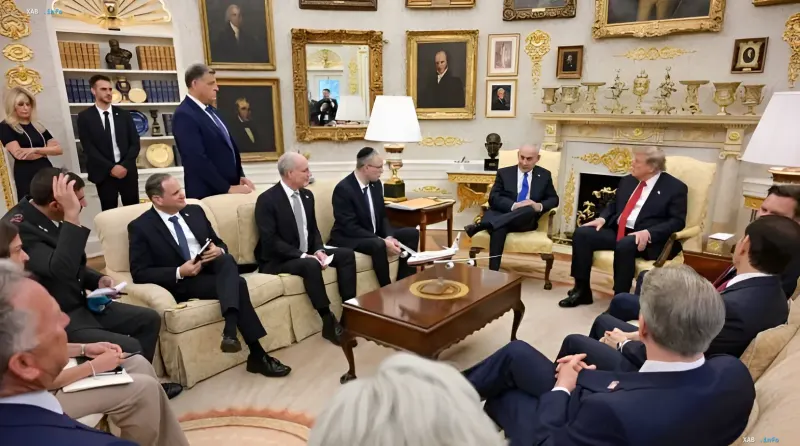
The pivotal moment that eroded Trump's trust occurred during a meeting between the leaders in the Oval Office just two weeks ago. According to insiders, Trump directly asked Netanyahu about his current approval ratings. After an awkward pause, the Prime Minister's advisor rushed to assure the American leader: "Mr. President, he is winning." However, Washington possesses precise data that contradicts these claims. Closed polls and forecasts on the Polymarket exchange indicate that Netanyahu's coalition is collapsing: instead of the current 68 seats in the Knesset, the ruling coalition may secure only 49–53 mandates. Forming a government requires 61 seats.
The situation is exacerbated by the fact that the main favorite of the race has become former IDF Chief of Staff Gadi Eisenkot, whose chances of victory are estimated at 51% compared to Netanyahu's 37%. Trump, known for his disdain for "losers," has no intention of publicly supporting a politician who is highly likely to lose the election in 75 days.
Conflict over the Gaza plan
The final straw that triggered a cooling of relations was Netanyahu's public demarche regarding the settlement in the Gaza Strip. President Trump proposed a detailed 15-point Peace Council plan, but the Israeli Prime Minister rejected it during a cabinet meeting. Netanyahu stated that Israel would not withdraw its troops until Hamas is fully disarmed, effectively scuttling the White House's initiative.
The reaction from the US administration was immediate and harsh. A senior official, quoted by Axios, stated: "Gaza is our show, not his. We did what seemed impossible, and we will keep moving forward." Netanyahu's refusal to support Trump's plan was perceived in Washington as sabotage and an attempt to undermine the credibility of American diplomacy for domestic political goals.
Contradictory data
There is a discrepancy in the assessment of the current political situation between official statements from the Israeli side and data from analytical agencies. On one hand, Netanyahu's advisors, in conversation with Trump, insisted on the coalition's confident victory. On the other hand, independent data from Polymarket and closed polls record a drop in support for the ruling coalition to critical levels (49–53 seats). This gap between the "official version" and reality became the trigger for the loss of trust from Washington.
Conclusion: Political isolation
Trump's refusal to support puts Netanyahu in an extremely vulnerable position. Without the "green light" from Washington and against the backdrop of falling ratings, holding onto power becomes practically impossible. With less than three months remaining until the elections, Trump appears to have already chosen a side in this conflict, distancing himself from a politician who, in his view, has cornered himself.