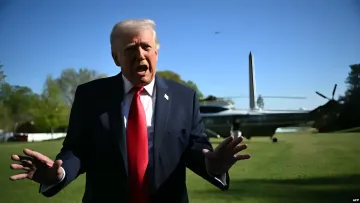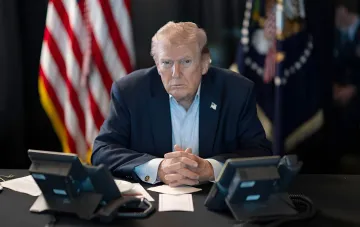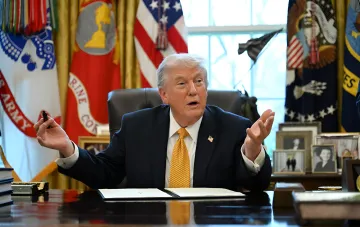
On October 15, in an interview with the conservative American news site Newsmax, U.S. President Donald Trump made his first definitive public statement on the nuclear issue in the context of the standoff with Iran. He flatly rejected the possibility of using nuclear weapons against Tehran, yet did not refute reports that had previously appeared in American media that his administration was considering the deployment of the most powerful non-nuclear munition in the U.S. arsenal in the near future — the GBU-43/B Massive Ordnance Air Blast (MOAB) bomb, known as the "Mother of All Bombs." The statement came amid ongoing speculation about the risk of nuclear conflict in the event of a war between the U.S., Israel, and Iran.
"We will not use nuclear weapons"
Responding to questions about nuclear weapons, Trump stated: "We will not use nuclear weapons. There is no need for it. We are the world's largest nuclear power." He also dismissed the possibility of using tactical nuclear weapons—a type of nuclear munition with lower explosive power. According to observers, this is the first such clear statement by the head of the American administration on nuclear issues following a series of speculations about a potential escalation scenario between the U.S., Israel, and Iran.
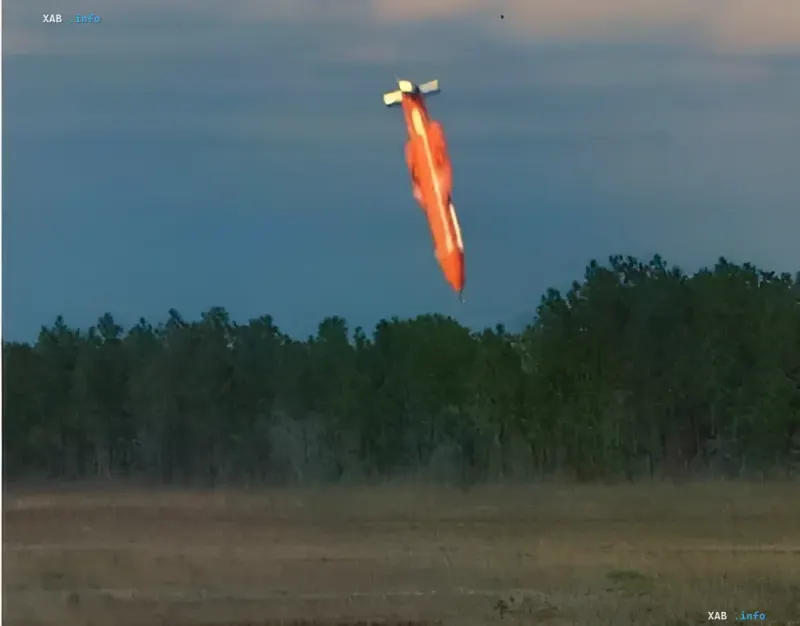
The "Mother of All Bombs" is not a nuclear weapon
Separately, Trump commented on the MOAB bomb, a type of munition that, according to CNN reports, the U.S. government has considered using. When asked if MOAB was a "tactical nuclear weapon," he replied: "The 'Mother of All Bombs' is not a nuclear weapon. Absolutely not. It is just a bomb with immense destructive power." However, he declined to directly confirm or deny whether he had given personal approval for the use of such munitions in Iran, leaving room for interpretation of the administration's intentions.
Pikax Mountain and the threat of new strikes
Trump claimed that the U.S. could launch another attack on Iranian nuclear facilities, particularly at Pikax Mountain, where Tehran is believed to have a nuclear facility hidden deep under layers of granite. According to him, the war cannot be ended now because Washington must guarantee that Iran cannot develop nuclear weapons: "if they had that weapon, they would use it immediately."
"The war will end soon" and no ground troops
The president reiterated that the war "will end soon" — either militarily or diplomatically — and after that, he says, oil prices will drop. When asked if he would send American soldiers into the combat zone, Trump answered: "No, I don't think about it, I don't think about it." This contradicts his earlier remarks about the possibility of sending troops to Iran; analysts have warned that such a step could lead to heavy U.S. casualties due to the country's mountainous terrain.
Timing: A possible new phase after November 3
Trump's statements, according to a number of observers, support the assumption of an imminent new phase of military hostilities, which may begin after the U.S. midterm elections scheduled for November 3. Thus, the public rejection of the nuclear scenario coincided with maintaining the threat of using powerful non-nuclear weapons and a readiness to strike new targets within the Iranian nuclear program.