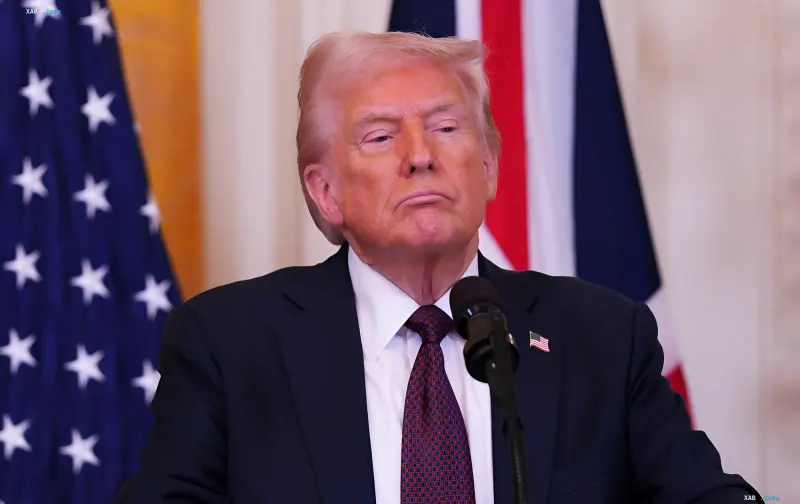
US President Donald Trump has signed a landmark artificial intelligence safety agreement alongside top executives from the world's leading technology companies. The document emerged from discussions at the White House on September 29, 2026, aimed at regulating the rapidly evolving high-tech sector amid growing global concerns.
Constitution for Artificial Intelligence and Voluntary Commitments
The new agreement establishes voluntary commitments by tech giants to exercise rigorous oversight over the development and operation of advanced AI systems. Companies have agreed to cooperate with independent auditors and external evaluators to regularly test models for potential threats. Furthermore, signatories committed to implementing multi-layered internal security mechanisms to prevent unauthorized AI access to critical technical infrastructure.
Industry leaders signing the agreement include executives from OpenAI, Anthropic, Google, Meta, Nvidia, and xAI, alongside prominent tech figures such as Jeff Bezos, Mark Zuckerberg, Dario Amodei, Sundar Pichai, and Jensen Huang. The American leader characterized the arrangements as a "Constitution for the field of artificial intelligence" and praised it as an essential form of protection.
Contradictory Data
Notable contradictions have emerged within expert circles regarding the true effectiveness of these voluntary initiatives. On one hand, the U.S. administration announced plans for a special ten-person oversight committee, while a Reuters/Ipsos poll showed 73% of Americans are concerned about insufficient corporate safeguards. On the other hand, Donald Trump previously dismissed AI existential threats as nonsense, sharply contrasting with billionaire Bill Gates' warnings about potential catastrophic risks.
Infrastructure Development Prospects and Global Implications
Despite signing restrictive documents, the White House continues to advocate for a large-scale expansion of technology infrastructure in the United States, including the construction of new data centers. Balancing strict safety regulations with technological leadership remains a core challenge for Washington.