U.S. President Donald Trump publicly reacted to the European Union's initiative to grant Canada the status of an associated member of the bloc. According to him, Washington may respond to this step with "very serious" trade restrictions if it deems the move hostile toward the United States. The statement came against the backdrop of ongoing tensions in trade relations between Ottawa and Washington and became one of the sharpest signals from the U.S. administration toward its European partners in recent times.
Threat of 'Very Serious' Tariffs
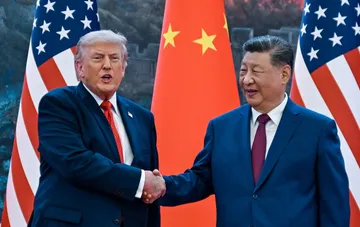
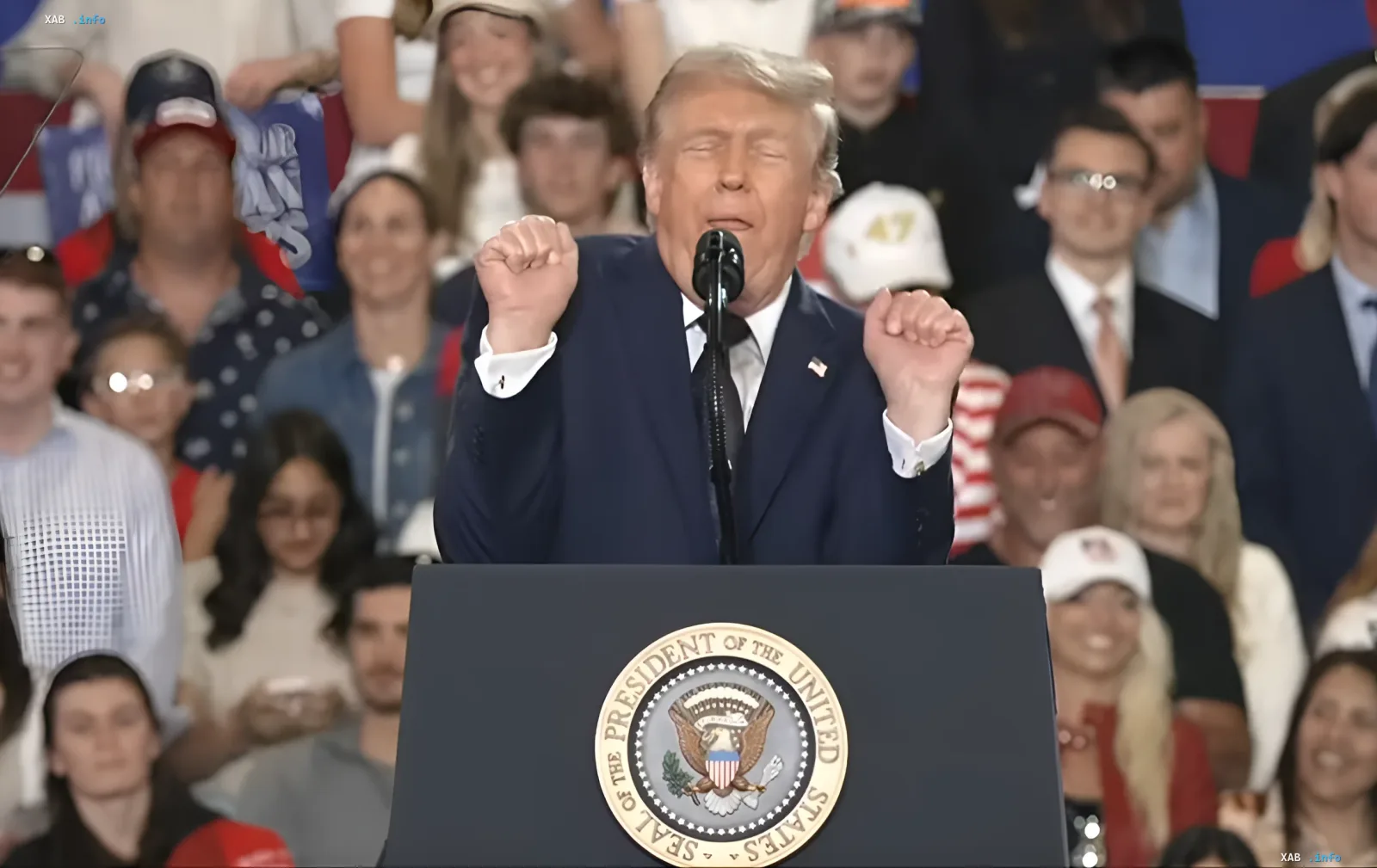
As reported by media outlets, Trump directly linked a possible U.S. response to the character that Washington will attribute to the EU's initiative. If, in his assessment, the proposal for Canada's associated membership is perceived as "well-intentioned," then, he said, the American side would not respond to it in a sanctioning manner. However, should the United States view the step as hostile, the president threatened "very serious" tariffs or a halt to trade with Europe in a number of areas. Thus, in Washington's logic, the choice of response itself depends on the interpretation of the political subtext of the European initiative.
'Ridiculous' Idea and a 'Terrible Trading Partner'
Trump's remarks also featured sharp rhetoric directed at the idea itself and the Canadian side. The American leader called the concept of Canada's associated membership in the EU "ridiculous" (in some retellings, "laughable"), and described Ottawa as a "terrible trading partner." Such wording underscores that, for Washington, the issue is perceived less as a technical detail of European integration and more as a symbolic turn by one of its closest neighbors and trading partners toward another bloc.
Context: Ottawa's Turn Away from Washington
The EU's initiative emerged amid growing pressure in trade relations between Canada and the United States. According to The Wall Street Journal, the Canadian government has, in effect, "set its sights" on EU membership and is considering options for creating a special status for the country within the bloc. Ottawa seeks to reduce its dependence on the American market and to expand economic and defense ties with other partners. Meanwhile, Canada and the EU already have the CETA free trade agreement in force, and the new proposal envisages broader cooperation, including in the defense industry and the field of economic security.
Status of the Initiative Within the EU
It is important to note that the proposed associated member status has not yet been agreed upon by all EU member states and requires further negotiations. As conceived by Brussels, granting Canada the first such status in history is meant to strengthen the alliance amid global instability; previously, reports indicated that a similar status had also been offered to Ukraine. Thus, at the time of Trump's statement, the initiative was at the formation stage, not at the stage of entering into force.
Contradictory Data
Publications by different outlets show discrepancies in how the stage and nature of the initiative are described. On the one hand, a number of sources characterize it as a proposal or plan that has not yet been agreed upon by EU member states and requires additional negotiations. On the other hand, the British edition of BBC describes the situation as an invitation already extended, which Canada "welcomes," and records Trump's position as "against." That is, in some materials the emphasis is placed on the unfinished nature of the European process, while in others on the fact that Ottawa has already received the step as an invitation. These differences in wording do not change the key fact — Trump's public threat — but they affect the assessment of how far the initiative constitutes a finalized EU decision.
Canada's Reaction
The Canadian side did not stand aside from the exchange of statements: according to reports, the Prime Minister of Canada publicly responded to Trump's threats, and Ottawa welcomed the EU's invitation to become an "associated member." This indicates that the dispute has moved from the realm of trade negotiations into the realm of public diplomacy, where each side is asserting its position before its own electorate and partners.