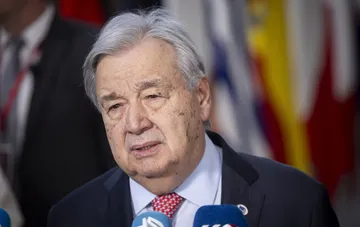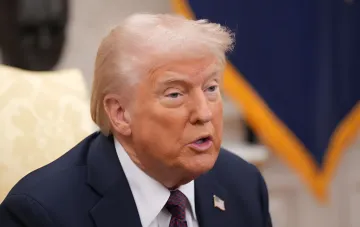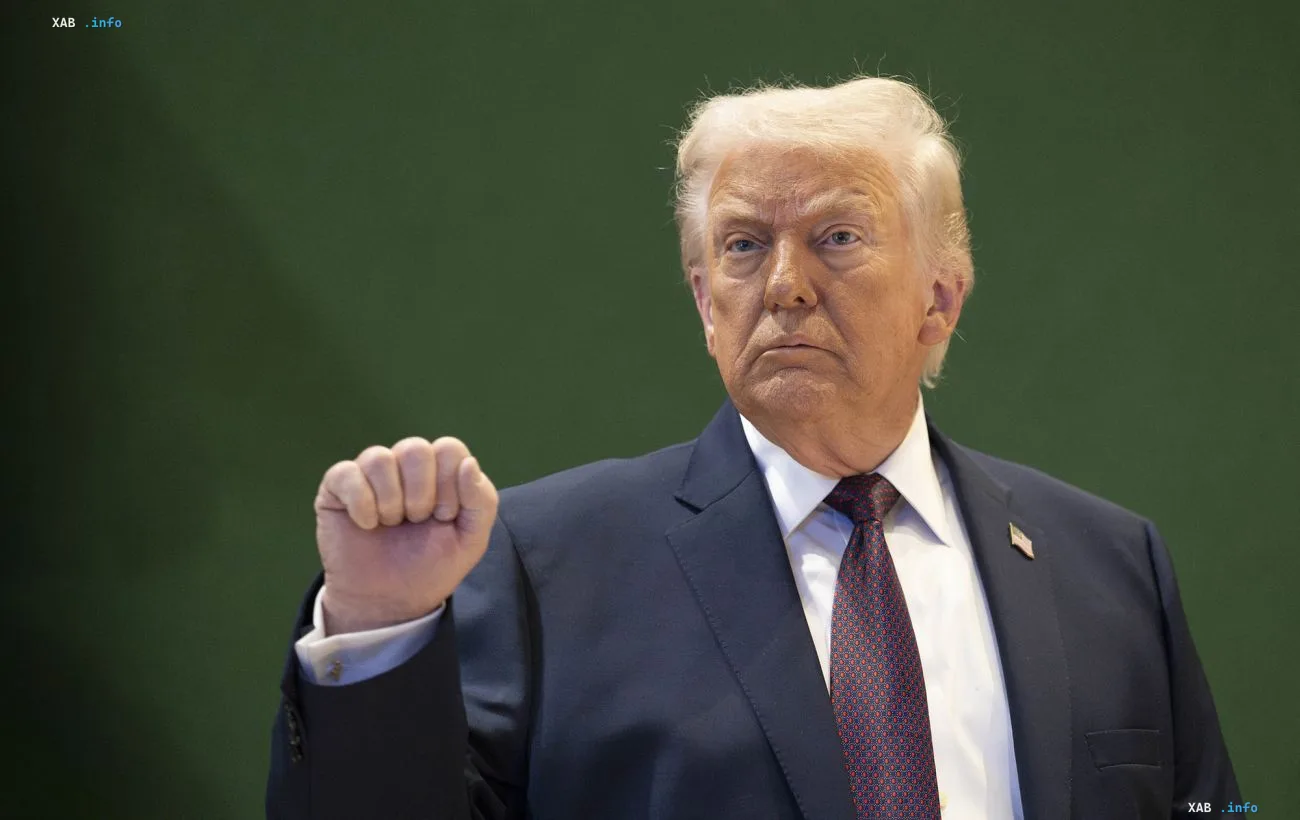
US Permanent Representative to the United Nations Mike Waltz publicly commented on recent statements by President Donald Trump regarding the state of Russia's oil refining industry. Earlier, the White House chief stated that Russia had 'lost control' over part of its oil refining sector due to the war against Ukraine: according to him, many Russian refineries had been damaged and at least temporarily taken out of operation. Commenting on his own wording, in which he expressed 'regret' over the matter, Waltz laid out an economic argument linking strikes on Russian infrastructure to global fuel prices.
Diesel as a Factor in Global Inflation
According to the ambassador, Russia has historically been a net exporter of diesel fuel, and it is precisely this status that makes the situation significant not only for Moscow but also for global markets. 'Diesel is used in tractors, trucks, and, of course, in our aviation and navy. We are not a country where products go directly from the farm to the table. We have a chain from the farm to the truck and then to the table. And one of the factors of global inflation is diesel fuel,' Waltz explained. Thus, the American side interprets the damage to Russian refineries not as a geopolitical success, but as a factor capable of accelerating inflation through rising logistics and supply chain costs.
Washington's Dual Rhetoric
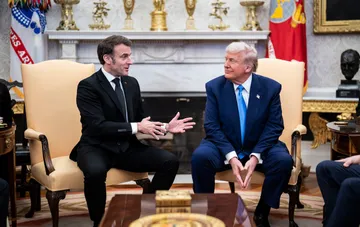
It is important that Waltz's statement came against the backdrop of contradictory public rhetoric by Trump himself. On the one hand, the US president called for an end to Russia's 'senseless and endless' war against Ukraine. On the other hand, he reportedly expressed the position that Ukraine should stop strikes on Russian infrastructure, as such attacks could lead to a diesel fuel shortage on the global market. In other words, the 'regret' over refinery damage in the words of US leadership sounds not as sympathy for the Russian side, but as an acknowledgment of the American economy's dependence on stable global fuel prices.
Contradictory Data
The statements by the parties reveal an internal contradiction that should be honestly noted. On the one hand, Trump and Waltz emphasize that Russian refineries were damaged precisely 'because of the war against Ukraine,' effectively acknowledging the effectiveness of strikes on Russian infrastructure. On the other hand, the same administration calls for these strikes to be stopped, citing the risk of a diesel shortage and inflation. This means that Washington's position simultaneously acknowledges the effectiveness of attacks on refineries and advocates for their cessation — motivated not by considerations of Ukraine's security, but by the protection of American consumer prices. Various Ukrainian media outlets (RBC-Ukraine, novosti.ua, fakty.com.ua) report the essence of the statement with minor differences in wording, but the core — Waltz's economic argument — is consistent across all sources.
Context: Who Is Mike Waltz
The comment was made within the scope of Waltz's authority as the US Permanent Representative to the UN — he was appointed to this post after leaving his position as US National Security Advisor. This circumstance is important for interpretation: his words about diesel and inflation sound not as a private opinion, but as a position articulated in a multilateral diplomatic format, which gives Washington's economic argument additional weight in international discussions about the war's impact on global energy.
Thus, Waltz's explanation reveals a new aspect of American rhetoric: the damage to Russian refineries is viewed in the White House primarily through the lens of its impact on global diesel prices and inflation, rather than solely through the lens of the conflict's military dynamics. This makes the issue of strikes on oil refining infrastructure simultaneously a military, economic, and diplomatic one.