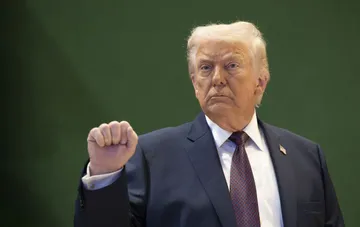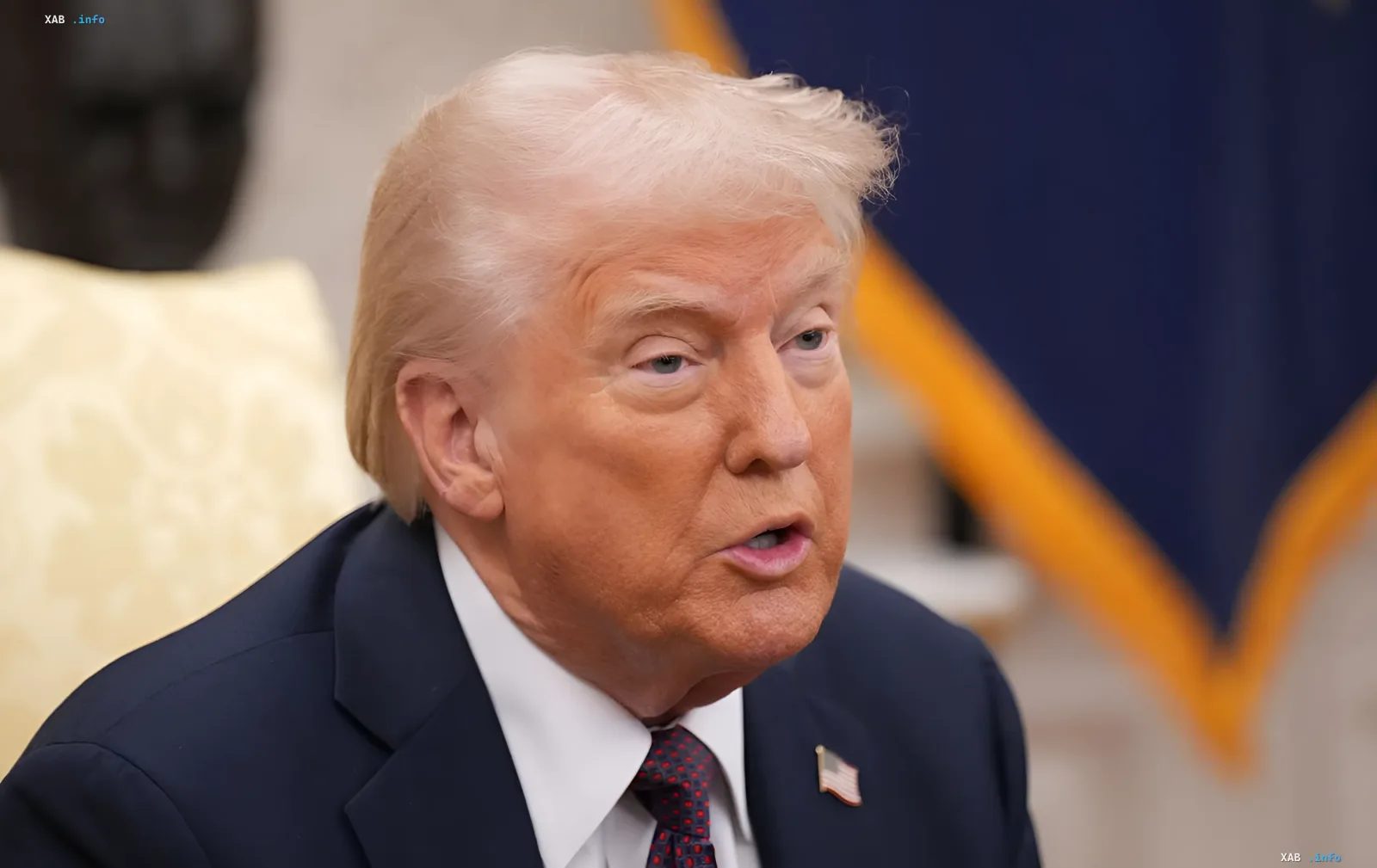
On September 21, 2026, the focus of international media turned to a new public statement by U.S. President Donald Trump regarding the state of Russia's oil refining industry. According to RBC-Ukraine, the White House chief stated outright that Russia has, "regrettably, lost control over its oil refining industry due to the war with Ukraine," emphasizing that "a large number of their refineries has been undermined and, at the very least, temporarily taken out of operation." The statement came against the backdrop of ongoing discussions about the conflict's impact on global energy markets and fuel prices.
Trump's statement on the state of Russia's refineries
In his assessment, the American leader focused on the scale of infrastructure damage. According to him, strikes on oil refining capacity have resulted in a significant portion of plants being "temporarily taken out of operation," which, in his logic, has deprived Moscow of sustained control over its own refining sector. Trump also called the war "meaningless and endless" and stated that "the whole world is suffering, since 25,000 people are killed every month, mostly military personnel," adding: "What a disgrace!" These figures and evaluative formulations belong exclusively to the U.S. president himself and are not supported in the statement by references to independent sources.
Call to cease strikes on Russian infrastructure
Paradoxically, in the same context Trump called on the Ukrainian side to stop attacks on Russian oil refineries. Earlier, as RBC-Ukraine recalls, the U.S. president had already stated that he had asked Volodymyr Zelenskyy to halt strikes on refineries, explaining this by the need to curb rising fuel prices. According to the American leader, it is precisely the attacks on Russian infrastructure that are allegedly causing a global diesel fuel shortage, and Zelenskyy "should change tactics." Thus, in Trump's public rhetoric, the acknowledgment of Russia's loss of control over refining coexists with a demand to stop the very actions that, by his own words, led to that outcome.
Phone call between Zelenskyy and Trump
Additional context was provided by details of a phone conversation between Ukrainian President Volodymyr Zelenskyy and Donald Trump, published by the outlet Axios. According to an informed source, a significant part of the call was devoted by the U.S. president to a request to Zelenskyy to stop strikes on Russian refineries. This is not the first time Washington has raised this topic in dialogue with Kyiv: earlier Trump had already publicly confirmed that he had made a similar request to the Ukrainian leader, citing the consequences for global fuel prices.
Contradictory data
In the U.S. president's statements and in the assessments of the parties, there is a series of inconsistencies that is important to note. First, there is an internal contradiction in Trump's own rhetoric: on the one hand, he states that Russia has "lost control" over oil refining precisely because of the strikes, while on the other hand he demands that Ukraine stop these strikes, claiming that they harm the global fuel market. Second, the figure of "25,000 killed per month, mostly military personnel" is cited by Trump as a ready-made assessment without indicating a source and does not match the methodology for counting losses used by independent monitoring organizations. Third, the formulation about a "global diesel fuel shortage" as a direct consequence of attacks on Russian refineries is an assessment by the White House and is not confirmed in the provided materials by independent market analysis. Both viewpoints — the thesis about the effectiveness of strikes on refining and the thesis about the need to stop them for the sake of fuel prices — are presented here openly, without any attempt to reconcile them.
Context and possible consequences
Trump's statements and the parallel dialogue with Zelenskyy reflect a broader knot of contradictions in which energy security, the price trend for fuel, and the military dynamics at the front are linked into a single agenda. For observers, the key question remains whether Washington will in fact support a course of limiting strikes on Russian oil refining and how this is consistent with the public acknowledgment that it is precisely these strikes that led to Moscow's loss of control over the refining sector. As of September 21, 2026, no official documents confirming or refuting the stated scale of refineries being taken out of operation are cited in the open sources referenced by RBC-Ukraine.