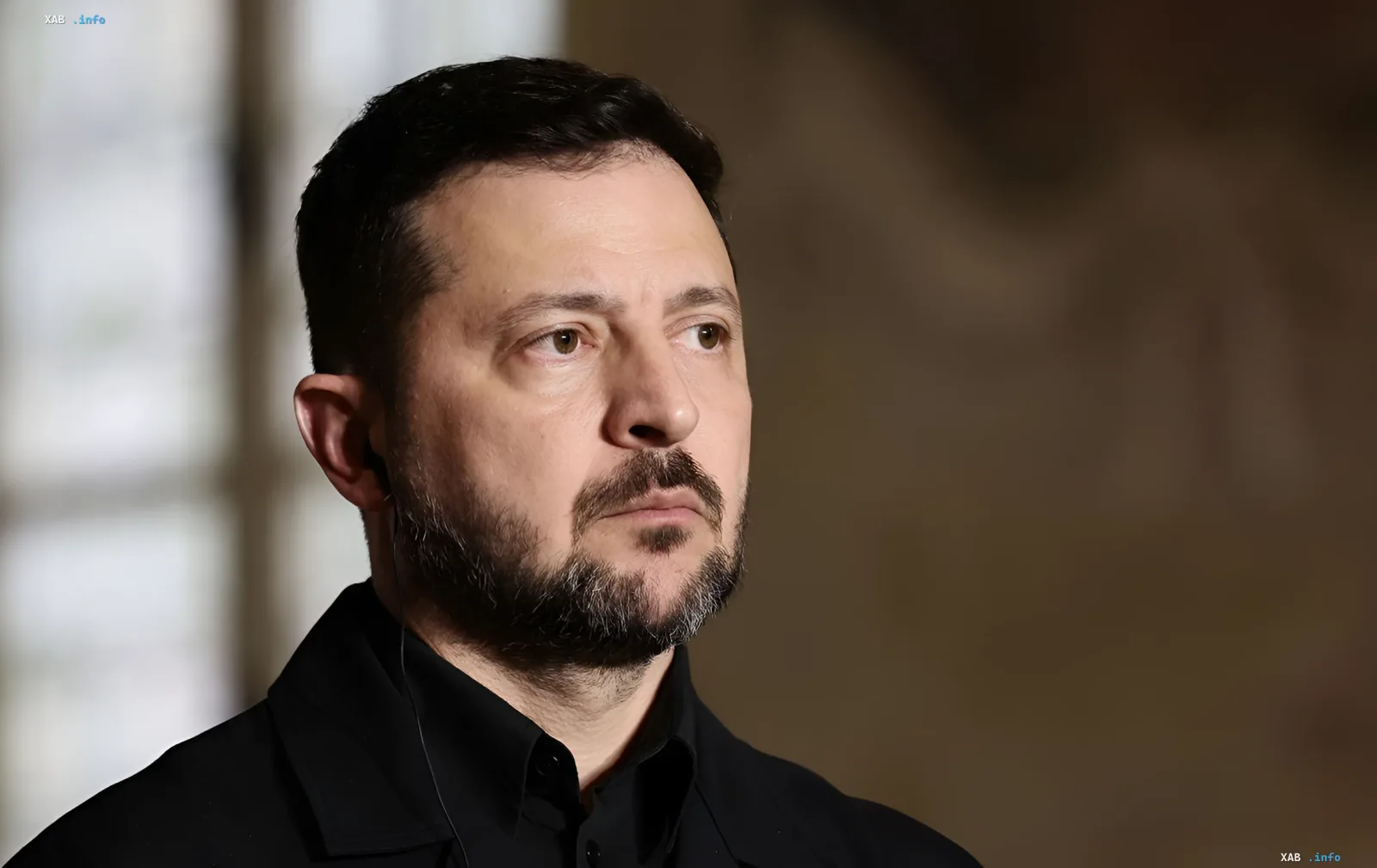
In an interview with the American TV channel CBS News, Ukrainian President Volodymyr Zelensky outlined the conditions under which Kyiv would be ready to accept a so-called "energy ceasefire." According to him, during a visit to the Ukrainian capital, special envoys of US President Steve Witkoff and Jared Kushner proposed considering a halt to strikes on oil refineries and other energy facilities. Zelensky emphasized that Kyiv is ready for such an arrangement, but insists on a specific mechanism that would guarantee its compliance by Russia. A key requirement from the Ukrainian side is that Moscow must "put on the table" a list of its own facilities that should not be subject to attacks.
What the 'energy ceasefire' means for each side
Zelensky separately examined the very concept of "energy," pointing to a fundamental difference in how it is understood by Kyiv and by Moscow. In his formulation, for Vladimir Putin energy is first and foremost the sale of oil and gas, whereas for Ukraine it is electricity supply and gas for citizens. "My message was this: if the Russians are ready for an energy ceasefire, that means no strikes on energy facilities," the president stated. Thus, the Ukrainian side interprets the ceasefire as a mutual abstention from strikes on the entire energy infrastructure, rather than a unilateral restriction, which in effect turns the arrangement into a bilateral ceasefire regime in a specific sector.
List of facilities and the logic of de-escalation
The central element of Zelensky's position was the demand that Russia fix a list of protected facilities. "If they say, 'We are not attacking these facilities,' then they must put on the table a list of their own facilities — those they do not want us to attack," he emphasized. The president added that even in wartime it is possible to find "certain moments for de-escalation," and that the very fact of holding negotiations should demonstrate "goodwill or political will — to end the war." This logic effectively shifts responsibility for transparency onto the Russian side: without a public list of facilities covered by the regime, verifying compliance with the ceasefire becomes impossible.
Agricultural exports and food security
Besides energy, Zelensky raised an issue that, in his assessment, goes beyond the bilateral conflict and touches on global food security. He stated that a blockade of agricultural product exports is unacceptable, because people on other continents depend on it. As an argument, the president cited figures: Russia, according to him, has up to 70 million tons of agricultural produce for sale, whereas Ukraine needs to sell about 30 million tons. "That is also in their interest," Zelensky added, pointing out that free export of grain and other products benefits both the Russian side and the world market.
Contradictory data
The public statements of the parties show a discrepancy over what stage the arrangement is at. Earlier, US President Donald Trump declared that an agreement between Ukraine and Russia to stop strikes on energy facilities had already been reached, presenting it as a fait accompli. Zelensky, commenting on the same initiative, used a more cautious formulation: Kyiv is "ready to comply" with such an arrangement but is awaiting a specific mechanism of guarantees from Russia. Thus, Washington describes the ceasefire as agreed, while Kyiv — as conditionally accepted and requiring verification. At the same time, Russia, according to Kremlin spokesman Dmitry Peskov, positively assessed Trump's idea, stating that the Russian Federation is in contact with the Americans and supports peaceful solutions. The difference in tone — from "we agreed" in Trump's case to "we are ready, but a mechanism is needed" in Zelensky's and "we support contacts" in Peskov's — means that none of the parties has yet confirmed the existence of a legally fixed and verifiable regime.
The totality of the statements shows that the "energy ceasefire" remains at the stage of political intentions rather than a working mechanism. For its implementation, according to the logic of the Ukrainian side, at least three elements are needed: a public list of protected facilities from Russia, a mutual abstention from strikes on energy facilities, and an independent means of verification. Until these elements are fixed, any agreement to stop strikes on energy facilities will be perceived by Kyiv as a declaration rather than a guaranteed regime.