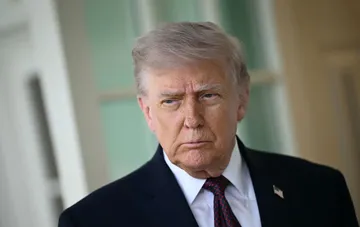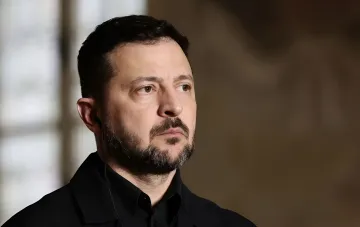
On the evening of September 22, 2026, on the sidelines of the UN General Assembly in New York, a meeting will take place between US President Donald Trump and Ukrainian President Volodymyr Zelensky. According to American and Ukrainian media, the central item on the agenda will be a discussion of the terms of a so-called energy ceasefire between Ukraine and Russia. This was reported by RBC-Ukraine, citing a statement by US Secretary of State Marco Rubio on Fox News. According to the outlet, Zelensky has already arrived in New York, and the meeting between the two leaders is expected to take place the same day.
Energy Ceasefire: The Washington Position
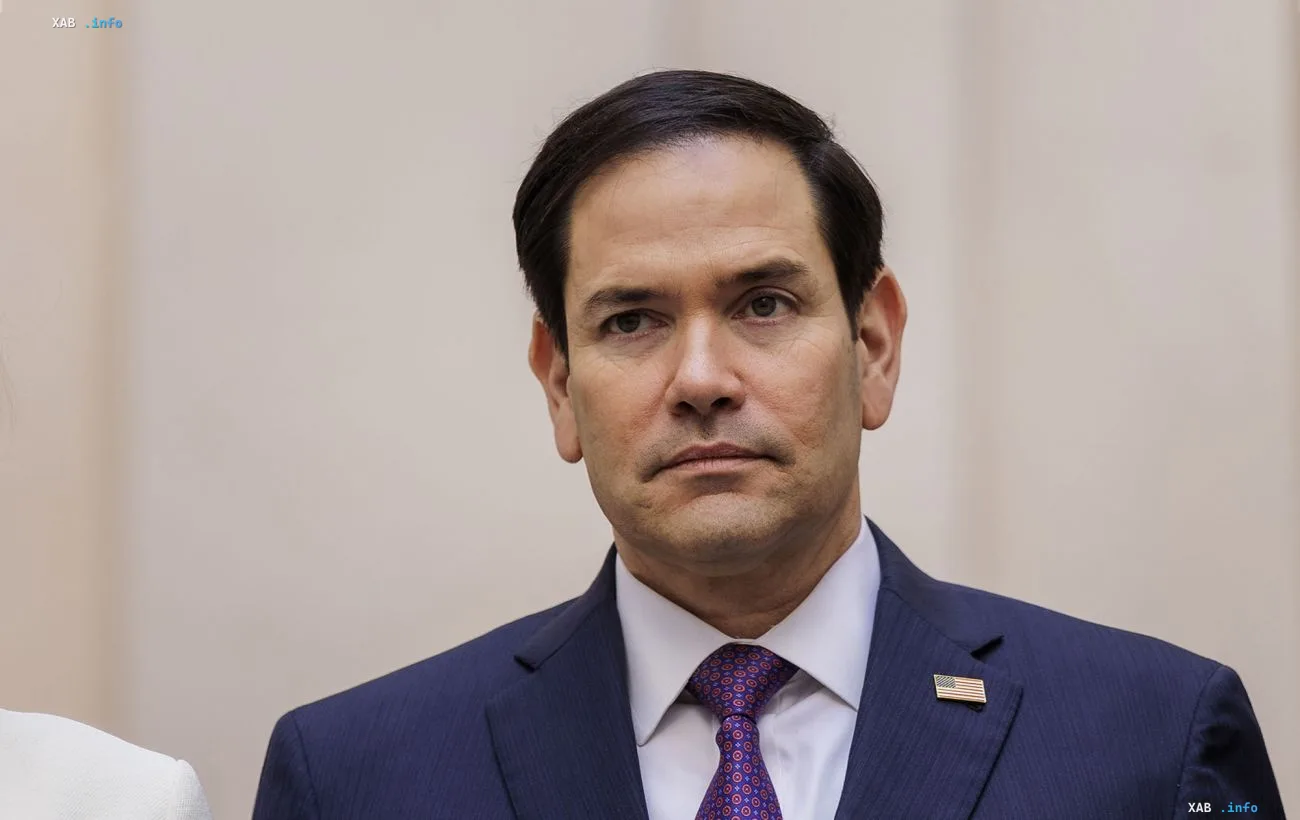
US Secretary of State Marco Rubio publicly supported the idea of a ceasefire in the energy infrastructure sector. In his words, Washington considers such a step "an excellent idea": "We think this would be an excellent idea — a ceasefire in energy infrastructure, in which Ukraine's infrastructure would not be targeted, and the supply of Russian energy would not be targeted either," Rubio stated. He confirmed that Trump intends to discuss precisely the cessation of strikes on energy infrastructure facilities in both countries during the meeting with Zelensky.
Context of the Meeting on the Sidelines of the UN General Assembly
The initiative for an energy ceasefire is not limited to the bilateral track between the US and Ukraine. As previously reported, French President Emmanuel Macron stated that he had discussed with Donald Trump an initiative aimed at securing an energy ceasefire between Ukraine and Russia. Thus, by the time of the New York meeting on September 22, the topic has already taken on a multilateral character and is being discussed within the framework of several diplomatic contacts on the sidelines of the UN General Assembly.
Pressure on Refining Capacity and Fuel Prices
A separate element of pressure from Washington remains the attacks on Russian oil refining capacity. Trump has repeatedly called on Zelensky to stop strikes on Russian refineries, arguing that, in his words, such attacks drive up global diesel fuel prices. Including this issue in the meeting's agenda strengthens the economic component of the proposed "energy ceasefire," taking it beyond purely military logic.
Contradictory Data
When comparing the statements of the parties, a difference in tone and degree of certainty is noted. Marco Rubio uses a restrained, conditional formulation — the ceasefire in the energy sector is called an "excellent idea," i.e., a potential rather than an already agreed-upon decision. At the same time, Donald Trump has previously made direct demands on Kyiv to stop attacks on refineries. Moreover, in his public statements, Rubio has voiced other claims against Ukraine, including those related to incidents involving vessels, indicating that the "energy ceasefire" is being discussed against the backdrop of a broader and more contradictory set of mutual accusations. Thus, as of September 22, the initiative remains a matter of discussion rather than a finalized agreement.
The outcome of the New York meeting on September 22 will be whether the parties manage to turn rhetorical intentions into a concrete mechanism for ceasing strikes on energy infrastructure. For Kyiv, the key issue remains the security guarantees for the power grid; for Washington — containing the rise in global fuel prices; and for Moscow — lifting restrictions on the supply of its own energy. The dynamics of the negotiations will be tracked in the hours following the conclusion of the UN General Assembly.