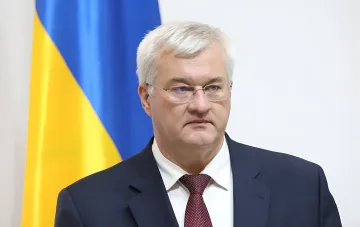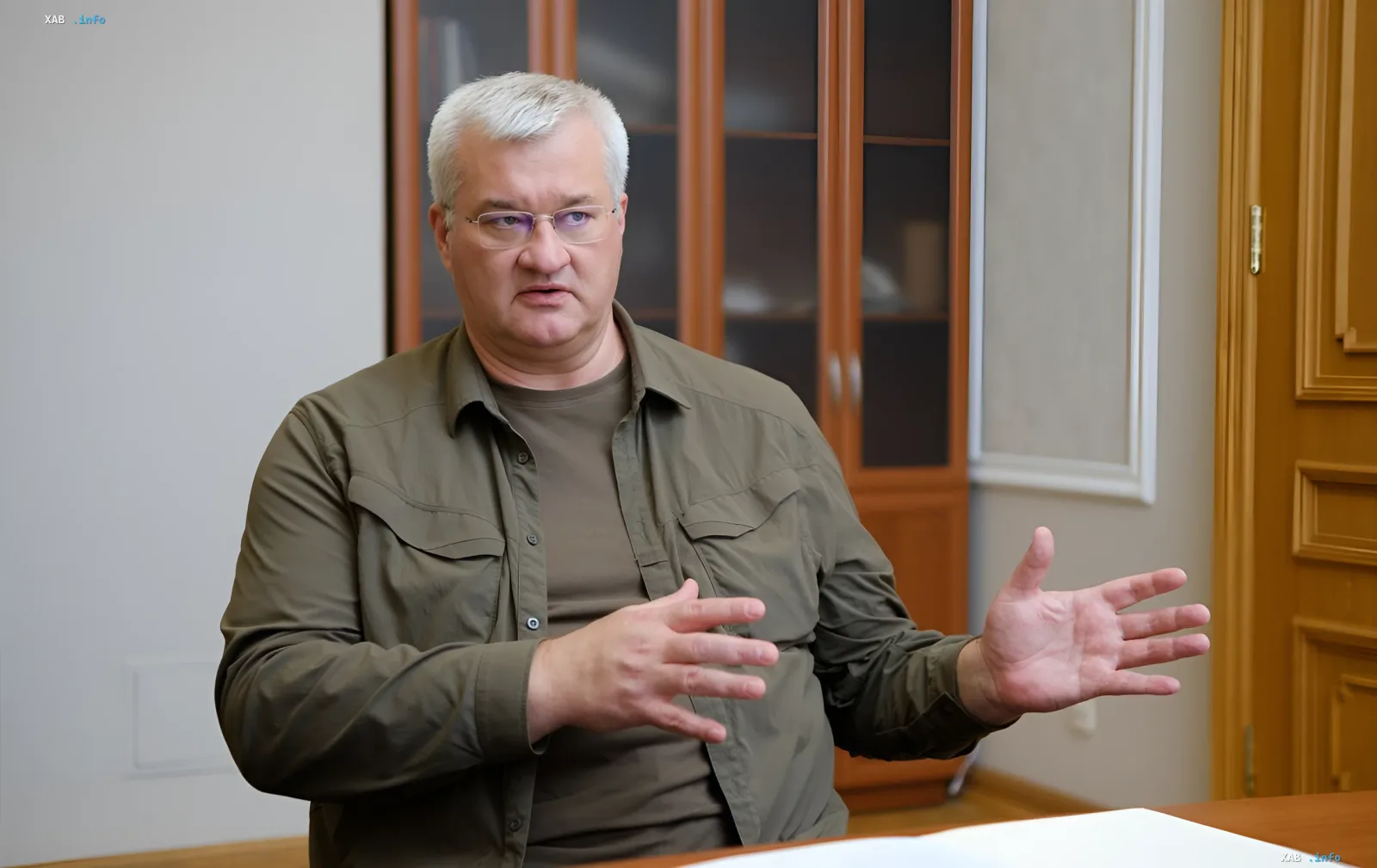
Ukrainian Foreign Minister Andriy Sibiga told journalists that the upcoming meeting between the presidents of Ukraine and the United States, Volodymyr Zelensky and Donald Trump, on the sidelines of the UN General Assembly could become a turning point in resolving the conflict. According to the diplomat, one of the key outcomes of the talks could be the achievement of a ceasefire — both in the energy sector and in the waters of the Black Sea. "We are preparing for President Zelensky's meeting with President Trump on the sidelines of the UN General Assembly, and I believe this could be one of the main outcomes of this meeting — the achievement of a ceasefire," Sibiga emphasized while speaking to journalists, as reported by RBC-Ukraine.
Two Tracks of a Ceasefire: Energy and the Black Sea
The Ukrainian foreign minister clarified that the discussion could involve not only an energy ceasefire but also a halt to attacks in the waters of the Black Sea. Thus, Kyiv is proposing that Washington consider two parallel de-escalation tracks: the first — a mutual cessation of strikes on energy infrastructure, the second — a stop to hostilities in the Black Sea. Sibiga stressed that Ukraine is objectively ready for such a format of settlement, however, the main problem is that the Kremlin has so far shown no interest in this initiative. In the diplomat's assessment, it is precisely the US authorities, who possess sufficient leverage of influence, who can push Moscow toward making the "right decision."
Contradictory Data
There is a significant discrepancy between the statements of the parties in their assessments of the current state of the negotiation process. On the eve of Sibiga's remarks, US President Donald Trump publicly declared a supposed agreement reached between Ukraine and Russia to cease strikes on energy infrastructure. The Kremlin, for its part, spoke of a "positive reaction" to Trump's proposal. However, as Sibiga himself emphasizes, Moscow has so far taken no corresponding decisions, and the Kremlin "shows no interest" in the initiative. Thus, Trump's claim of an existing agreement finds no confirmation in the actions of the Russian side: neither a list of protected facilities, nor a monitoring mechanism, nor any formal documents have been presented. Kyiv, in turn, insists that without a clear mechanism for ensuring compliance with the terms and without a genuine political will from Moscow, any talk of a ceasefire remains merely declarative.
Kyiv's Demands: A Monitoring Mechanism and the Rejection of Illusions
Against the backdrop of recent events, Volodymyr Zelensky had earlier called on Moscow to provide a list of facilities that Russia would want to protect from Ukrainian military strikes within the framework of a possible "energy ceasefire." The President of Ukraine also noted the need to create a transparent and functional mechanism that would ensure Russia fulfills all the obligations it has undertaken. In his address to the international community, Sibiga reiterated Kyiv's key position: Ukraine wants to end the war, it has concrete proposals and a vision of how to move toward that goal. At the same time, the diplomat called to "forget any illusions about Russia's good intentions," emphasizing that "Russia understands only pressure." This formulation, in essence, sets the tone for the role expected of Washington: not a mediator, but a guarantor capable of applying sanctions and diplomatic pressure on the Kremlin.
Context: Why Now
The choice of venue — the UN General Assembly — is not accidental. The September session of the GA traditionally brings together the leaders of most countries in the world, creating maximum informational and diplomatic resonance. For Kyiv, this is an opportunity to elevate the question of a ceasefire to the level of the global agenda and to fix the US position publicly, with witnesses. For Washington — a chance to demonstrate to allies and its own electorate a concrete diplomatic result. However, as practice over the past months shows, the gap between public statements about "reached agreements" and the actual actions of Moscow remains critical. It is precisely this gap, in the assessment of the Ukrainian side, that will determine whether the meeting between Zelensky and Trump on the sidelines of the UN GA in September 2026 will be a step toward de-escalation or yet another episode of rhetoric without consequences.