Taiwan Semiconductor Manufacturing Company (TSMC), the world's largest contract chip manufacturer, is considering expanding its manufacturing footprint in the United States. According to official documents filed with the Texas state comptroller's office, the company is planning to build a new advanced semiconductor facility with an estimated investment of $22.6 billion.
Brazos County Project Details
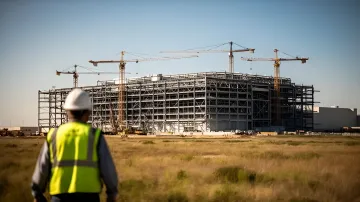
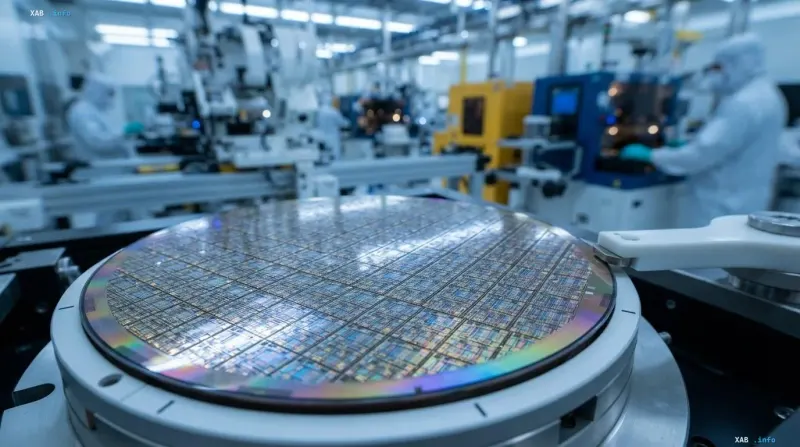
Brazos County in Texas has been selected as the site for the new facility. The plant will specialize in producing microchips using a 2nm manufacturing process, aligning with current market trends driven by the surging demand for artificial intelligence infrastructure. According to preliminary plans, construction is expected to begin in 2027, with the facility slated to be operational by 2031.
Strategic Advantages and Talent Pool
The location choice is driven by proximity to essential infrastructure and educational centers. Notably, the company highlights its location near Texas A&M University, which is seen as a key provider of highly qualified engineering talent for the future plant. The project is also expected to create approximately 2,100 jobs, which local authorities believe will provide a significant boost to the economies of the cities of Bryan and College Station.
TSMC's Global Leadership Context
The plans for construction in Texas follow TSMC's aggressive expansion, which already includes a large campus under construction in Arizona. Currently, the Taiwanese giant holds a dominant position, producing over 90% of the world's most advanced semiconductors. In the third quarter of 2026, the company reported a record profit of $23.6 billion, and the revenue share from 2nm wafer production continues to show steady growth, strengthening TSMC's lead over competitors like Intel and Samsung.
Industry Impact of Expansion
The implementation of the Texas project will strengthen supply chains for tech giants like Apple and Nvidia, whose reliance on TSMC capacity remains critical. The $22.6 billion investment underscores the company's long-term confidence in the ongoing development of the AI industry and the necessity to increase high-performance computing output within the United States, marking a significant step in the global strategy to diversify semiconductor production.