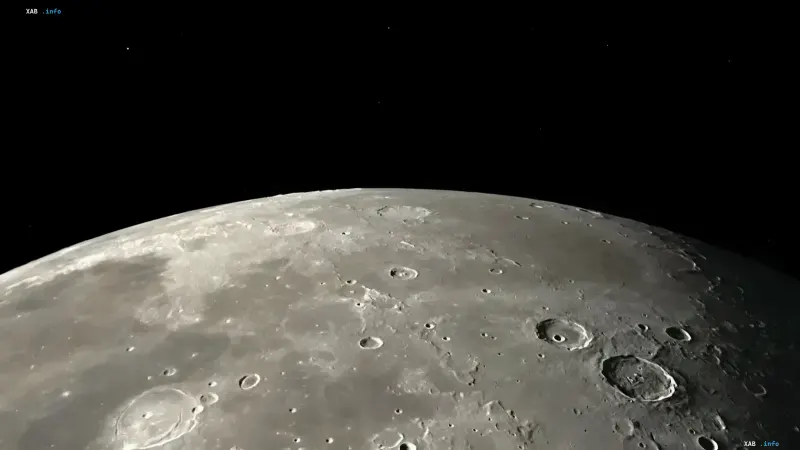
On August 13, 2026, Turkey's Minister of Industry and Technology, Mehmet Fatih Kacır, officially announced Ankara's plans to send its first national spacecraft to the Moon. The launch is scheduled for the early months of 2027, marking a historic moment for the Turkish space program. This event will be the culmination of years of work under the "National Technological Leap" program, which sets ambitious goals for the country in the field of space exploration.
Strategic significance and technological independence
Minister Kacır emphasized that the space industry plays a key role in the national development strategy. According to him, space-related technologies are critical not only for fundamental science but also for the country's defense industry. Turkey views the ability to independently access space as a strategic priority necessary to ensure technological sovereignty. Currently, Turkish engineers are completing the final stages of preparation for the lunar probe, which will be equipped with a hybrid rocket engine developed and manufactured domestically.
From satellites to lunar orbit: Turkey's path to space
Turkey's path to a lunar mission went through the successful implementation of a number of satellite projects. In recent years, the country has demonstrated significant growth in space technology potential, launching spacecraft such as BİLSAT, RASAT, GÖKTÜRK-2, Türksat 6A, and İMECE. These projects allowed for the accumulation of necessary experience in telecommunications, Earth remote sensing, and navigation. Now, building on this foundation, Turkey is taking the next step — moving from low Earth orbit to interplanetary flights.
Mission details and future plans
According to information provided by the Ministry of Industry and Technology, all major tests planned for the flight of the lunar probe have been successfully completed. The probe will be equipped with advanced navigation and communication systems, as well as scientific equipment for conducting research on the lunar surface. Furthermore, Turkey plans to participate in manned space missions in the future and become a technological partner in projects for new international space stations. Expanding international cooperation in the space sector is also considered an important element of the national strategy.
Contradictory data
While official statements by Turkish authorities confirm readiness for launch in early 2027, some international sources express cautious optimism. In particular, a number of experts note that the timelines for implementing such missions are often postponed due to technical difficulties or financial constraints. Nevertheless, Turkish specialists insist that all necessary tests have been passed and the launch will take place on schedule. This discrepancy in assessments requires further monitoring of the situation.