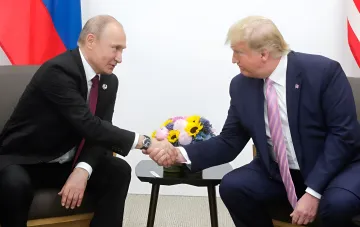
Turkey will receive a portion of the diesel fuel that Russia supplies to the global market under an agreement with US President Donald Trump. In Ankara, this deal is viewed as an important element of its own energy security. This was reported by RBC-Ukraine citing Reuters and an interview with Turkish Minister of Energy and Natural Resources Alparslan Bayraktar.
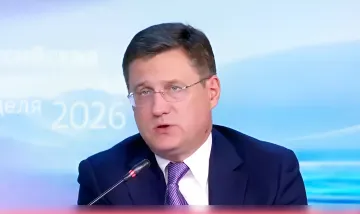
Statement by the Turkish Minister of Energy
«Russia has restricted diesel exports in recent months when it faced this issue. Now they have reached a diesel agreement with Trump... Following our negotiations, we will receive a portion of this diesel,» Bayraktar stated. A few days earlier, on October 16, the Turkish minister participated in the «Russian Energy Week» international forum in Moscow, which, according to observers, created a platform for direct contacts on energy issues.
Deal Details and Supply Terms
The minister did not specify in his speech exactly how much fuel Turkey will get or under what commercial terms. Trump concluded the diesel agreement with Moscow in early October: the US Treasury Department opened the market for Russian diesel fuel, lifting sanctions on it until April 7, 2027. Thus, Turkey is becoming one of the recipients of the fuel returned to the global market under this mechanism.
Ankara's Energy Strategy
Turkey depends heavily on energy imports, including from Russia, Iran, and Azerbaijan. At the same time, Ankara is consistently trying to diversify its supplies, particularly through agreements with the US. In parallel, the country is increasing its own gas production in the Black Sea: on October 17, Turkey dispatched its first floating platform, Osman Gazi, to the area, which is expected to double production at the largest Sakarya field to 20 million cubic meters per day. The launch of the second platform is planned for early 2028.
Reaction and Criticism of the Deal
The diesel agreement has been harshly criticized by Ukrainian President Volodymyr Zelenskyy, a number of European leaders, and some Republicans in the US Congress; in Ukraine, the deal was called unfair. Zelenskyy, in particular, called Trump's decision «investments in the war.» Trump himself attributes the rise in fuel prices to Ukrainian strikes on oil refineries and states that Kyiv is deliberately targeting Russian oil processing.