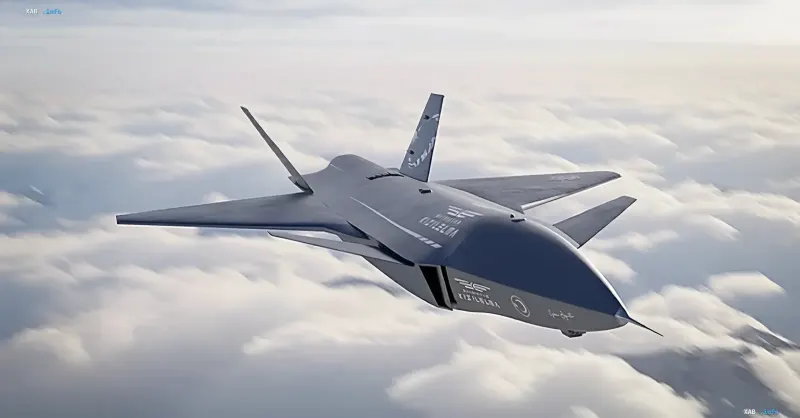
On August 9, 2026, Turkey's defense industry took a step that experts describe as a turning point for regional security. Baykar, known for its drones, officially confirmed the completion of a series of critical tests for its multi-role stealth UAV, the Kızılelma. During the tests, the drone demonstrated for the first time its ability to launch strikes from its internal weapons bay using high-precision guided TOLUN bombs and armor-piercing missiles of the same family developed by ASELSAN.
Technological Breakthrough: Internal Bay and Stealth
The main feature of the Kızılelma, distinguishing it from previous generations of Turkish drones, is the integration of an internal weapons bay. Unlike platforms with external hardpoints, this design drastically reduces the radar cross-section (RCS) of the aircraft. This allows the UAV to penetrate areas with dense air defense systems while maintaining high payload capacity. According to test data, the weapons hit targets with a deviation of less than 3 meters from the aim point, confirming the high effectiveness of the guidance system.
"Lockheed Martin" Strategy in Turkish Execution
The development of the Kızılelma is not just the creation of new weaponry, but the implementation of a strategy to reduce dependence on imported platforms. The platform is capable of operating in tandem with manned fighters, performing electronic warfare, reconnaissance, or target interception tasks. This allows for the expansion of the Turkish Air Force's combat capabilities without directly endangering pilots' lives. In 2026, against the backdrop of escalating tensions in the region, such autonomous systems are becoming a key factor in deterrence.
Contradictory Data
Although the success of the tests has been confirmed by official statements, there are discrepancies in the details. While some sources, including reports on internethaber.com, focus on the visual demonstration of TOLUN missile launches, other analytical reviews suggest that full combat readiness of the entire Kızılelma fleet may be achieved later, by the end of 2026. Furthermore, exact specifications regarding flight range and maximum engagement radius vary in open sources, creating room for speculation regarding the aircraft's actual capabilities deep in enemy territory.
Regional Context and the Future of Conflicts
The emergence of the Kızılelma against the backdrop of conflicts in Syria and Libya, as well as tensions surrounding Israel and Iran, is shifting the balance of power. Turkey is demonstrating that it is capable not only of exporting drones but also of creating high-tech platforms capable of countering modern air defense systems. This poses a challenge for neighboring countries to modernize their defensive systems, which will inevitably lead to a new arms race in the Western Asia region.