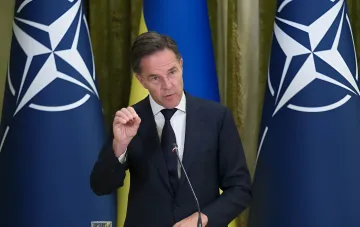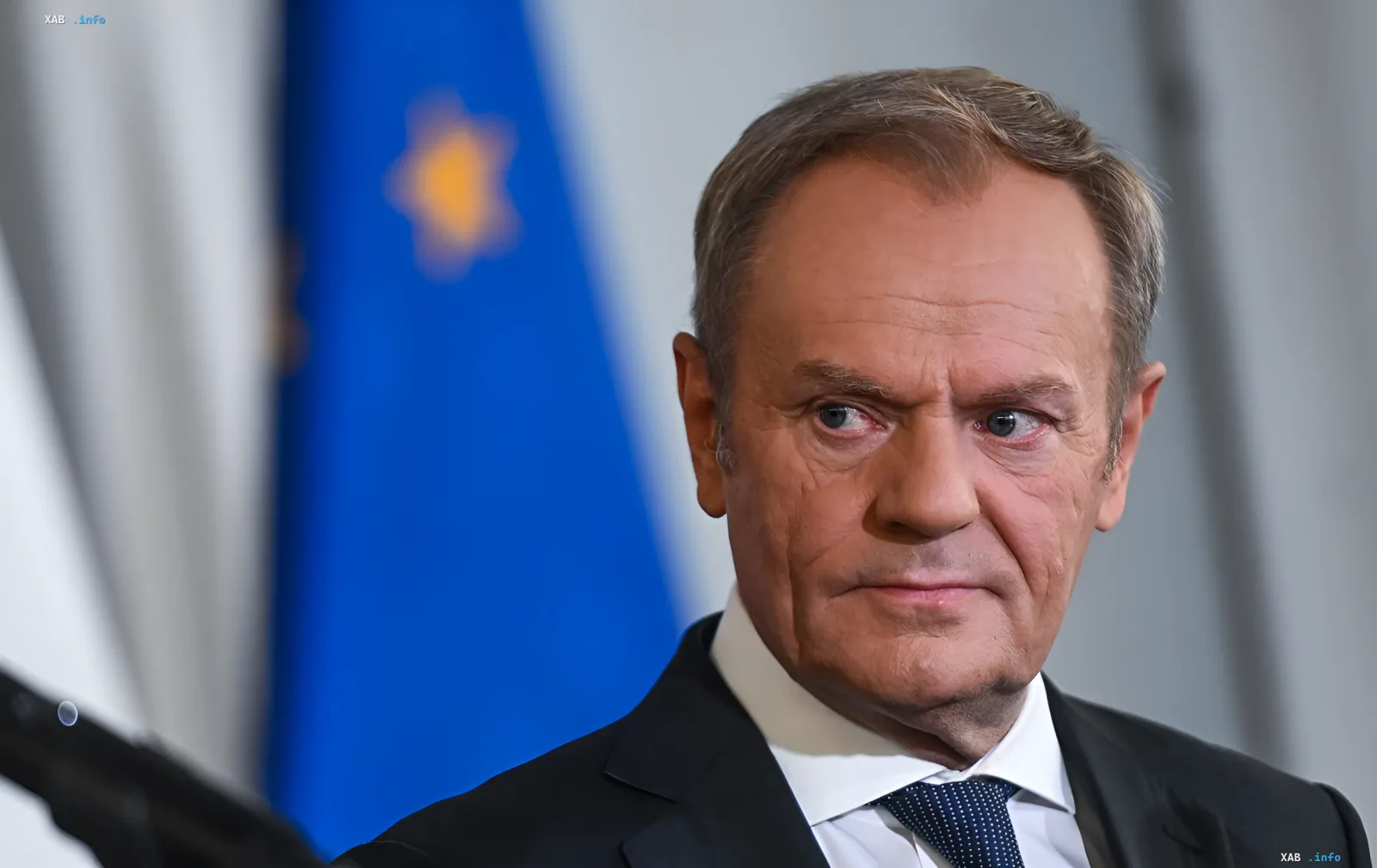
Polish Prime Minister Donald Tusk, after a phone conversation with NATO Secretary General Mark Rutte, stated that Russia is preparing for a new escalation and that the coming six months will be decisive for the security of the entire region. He shared this on his X account, as reported by RBC-Ukraine. According to the head of the Polish government, Rutte shared with him his assessment of the situation on the front and in the region, and, in his words, intelligence data and public signals confirm the reality of the threats that the Kremlin, Tusk believes, intends to exploit this coming autumn and winter.
Six decisive months
Tusk emphasized that Russian escalation is "continuing to progress," which, in his assessment, requires immediate action from Europe. He stated that Poland and NATO must prepare for all scenarios, including possible direct provocations by Russia against member states of the Alliance. The politician noted that the next six months will be critical, and it is precisely during this period, in his words, that the Kremlin "seriously counts on" challenges associated with the autumn-winter season.
Air support for Ukraine as Europe's task
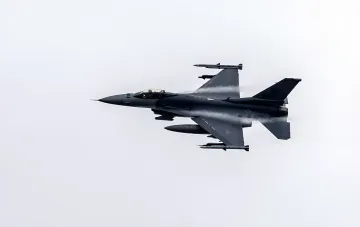
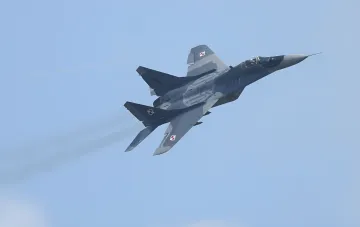
Separately, Tusk drew attention to Ukraine's need to strengthen its air defense. "Ukraine needs greater air support, which is also important for our security. This is a task for all of Europe," the prime minister declared. This position is consistent with reports from several outlets that, following massive strikes on Ukrainian infrastructure, NATO is actively seeking additional air defense systems for Kyiv, and Rutte had previously confirmed to Zelensky the Alliance's intention to look for the corresponding resources within the bloc.
Provocation scenarios and NATO's response
Tusk added that in the event of potential Russian aggression against any NATO country, particularly the Baltic states, the response must be "immediate and firm" to prevent further expansion of the war. He emphasized that Poland views the possibility of provocations as a real scenario, not a hypothetical one, and called on allies to be ready for any development of events in the coming months.
Contradictory data
In Tusk's statements and in the way different outlets present the information, there is an inconsistency in the chronology of the "critical period." In his latest message, the prime minister speaks of six decisive months, whereas earlier, according to the same sources, he had warned that the "next 7–8 months" would be critical for the security of neighboring states and NATO countries. The difference in the time horizon (6 versus 7–8 months) may be explained by a refinement of the wording as the situation develops, however, both versions appear in the politician's public statements and require careful tracking. Moreover, claims that the Kremlin "does not even rule out the possibility of using nuclear weapons as an ultimate lever of pressure" are cited in the context of assessments by Western analysts and statements by individual Russian officials and are not confirmed by official Russian documents.
Context: the autumn-winter period as a point of tension
According to assessments by Western analysts and senior leadership, the autumn-winter period may become decisive for the entire regional security system. Russian troops, it is noted, are preparing for an escalation of hostilities not only on Ukrainian territory but across the region, and in the Kremlin, according to the same assessments, options for expanding the conflict and applying radical measures are increasingly being considered. Against this backdrop, the statements by Tusk and Rutte reflect NATO's course of preparing for a wide range of scenarios — from strengthening Ukraine's air defense to readiness for direct resistance in the event of provocations against members of the Alliance.