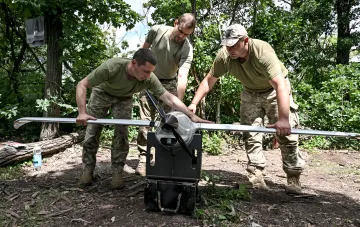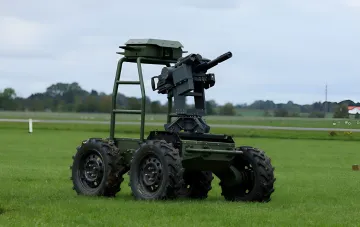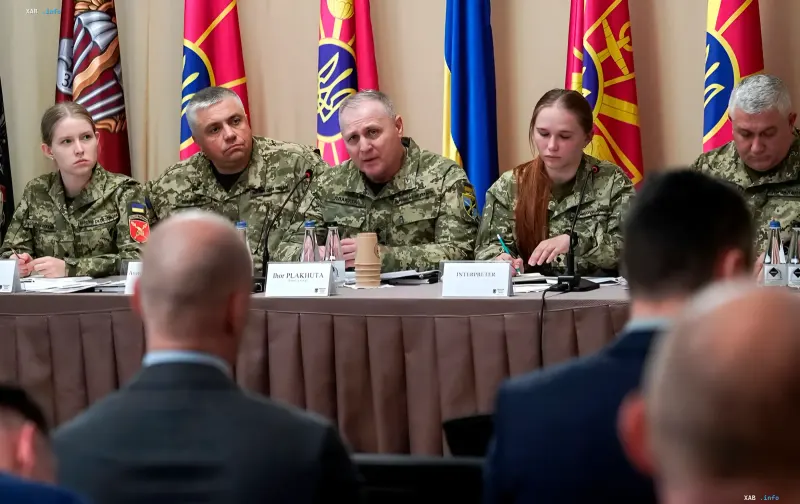
The Command of the Territorial Defense Forces (TDF) of the Armed Forces of Ukraine has officially announced a large-scale structural transformation of its units. According to a statement by TDF Commander Major General Ihor Plakhuta, made during a briefing for the Kyiv Association of Military Attaches, specialized unmanned systems battalions have been created in every territorial defense brigade. This decision is aimed at deep integration of aerial and ground robotic systems directly into the brigade combat formations.
New Architecture of Combat Capabilities
. The transition to a battalion structure for UAVs within each brigade is a response to the rapid evolution of modern warfare. According to General Plakhuta, until recently, the focus was on the centralized use of drones, a prime example being the 411th Battalion, which was later transformed into a regiment. However, the current strategy involves decentralization: building indigenous capabilities for reconnaissance, precision strikes, and logistics at the brigade level significantly increases the autonomy and response speed of units on the front line.Integration of Robotics into TDF
The introduction of ground robotic systems alongside UAVs is becoming a critical component of combat readiness. Currently, according to the command's assessment, unmanned and robotic complexes account for nearly 50% of the TDF's combat capabilities. A notable example of this transformation is the former 123rd Brigade, which was fully repurposed into a separate unmanned systems brigade, highlighting the systematic nature of the changes within the Armed Forces. .
Contradictory Data
Despite official statements regarding the successful formation of new units within the TDF, there are discrepancies in the expert community regarding the pace and effectiveness of implementing such programs. While the Ukrainian command emphasizes decentralization as an advantage, foreign analytical sources point out the need for colossal resources to maintain the logistical support of such battalions on a long-term basis, creating a potential risk of personnel and technical shortages for less prioritized units.
Strategic Cooperation and Prospects
During the briefing with military attaches, issues of national resistance and the expansion of partnerships with allied countries were also discussed. The TDF Command emphasizes that the development of drone technologies is a priority task, dictated by current decisions of the Commander-in-Chief of the Armed Forces. This restructuring of defense is viewed as a way to not only adapt to the enemy's actions but to stay ahead of them, creating new asymmetric capabilities on the battlefield.