Having multiple SIM cards or connecting to two internet providers can significantly help citizens during communication disruptions, but experts warn that such measures do not provide an absolute guarantee of continuous network access. Amid regular energy and infrastructure challenges, citizens are seeking various ways to protect themselves from digital isolation.
The Position of the Ministry
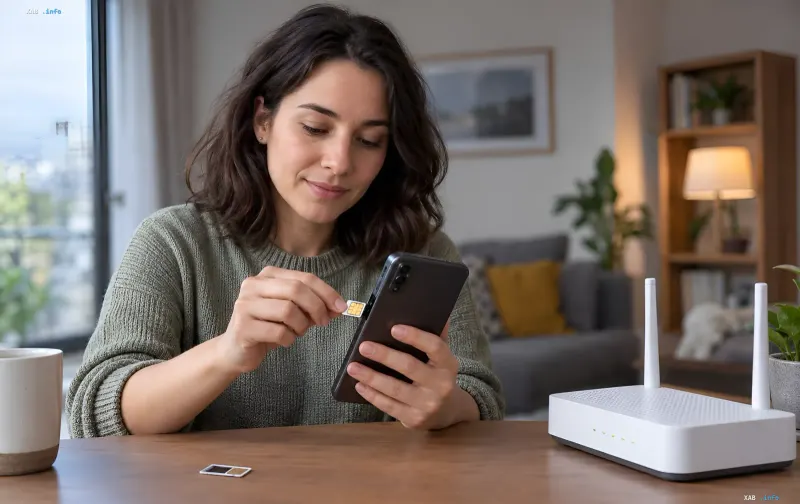
This was stated in an interview with RBC-Ukraine by Deputy Minister of Digital Transformation Stanislav Prybytko. According to him, having SIM cards from multiple mobile operators at once is indeed a practical and justified step for a modern user.
"If you need reliable mobile internet, two SIM cards from different operators can provide an additional connection option," the ministry representative explained. At the same time, as the deputy head of the agency noted, if a subscriber simply needs to stay in touch for voice calls, standard National Roaming is usually quite sufficient.
Home Internet Features and xPON Technology
Connecting an apartment to two different internet providers simultaneously can also be useful in a critical situation, but it is not a 100% protection against large-scale blackouts. If both providers use the same backbone line or shared infrastructure, damage to this node can simultaneously cut off customers of both companies.
To prevent home internet from disappearing during power outages, Stanislav Prybytko strongly advises subscribers to switch to energy-independent xPON optical technology. The main advantage of this standard is that there are no intermediate active communication nodes requiring a constant power supply between the provider's office and the specific apartment.
"Therefore, during a power outage, you only need to power your home Wi-Fi router and subscriber modem from an ordinary power bank or another reliable backup power source, and you can continue to stay online," the deputy minister added, emphasizing the importance of citizens preparing for the winter period.