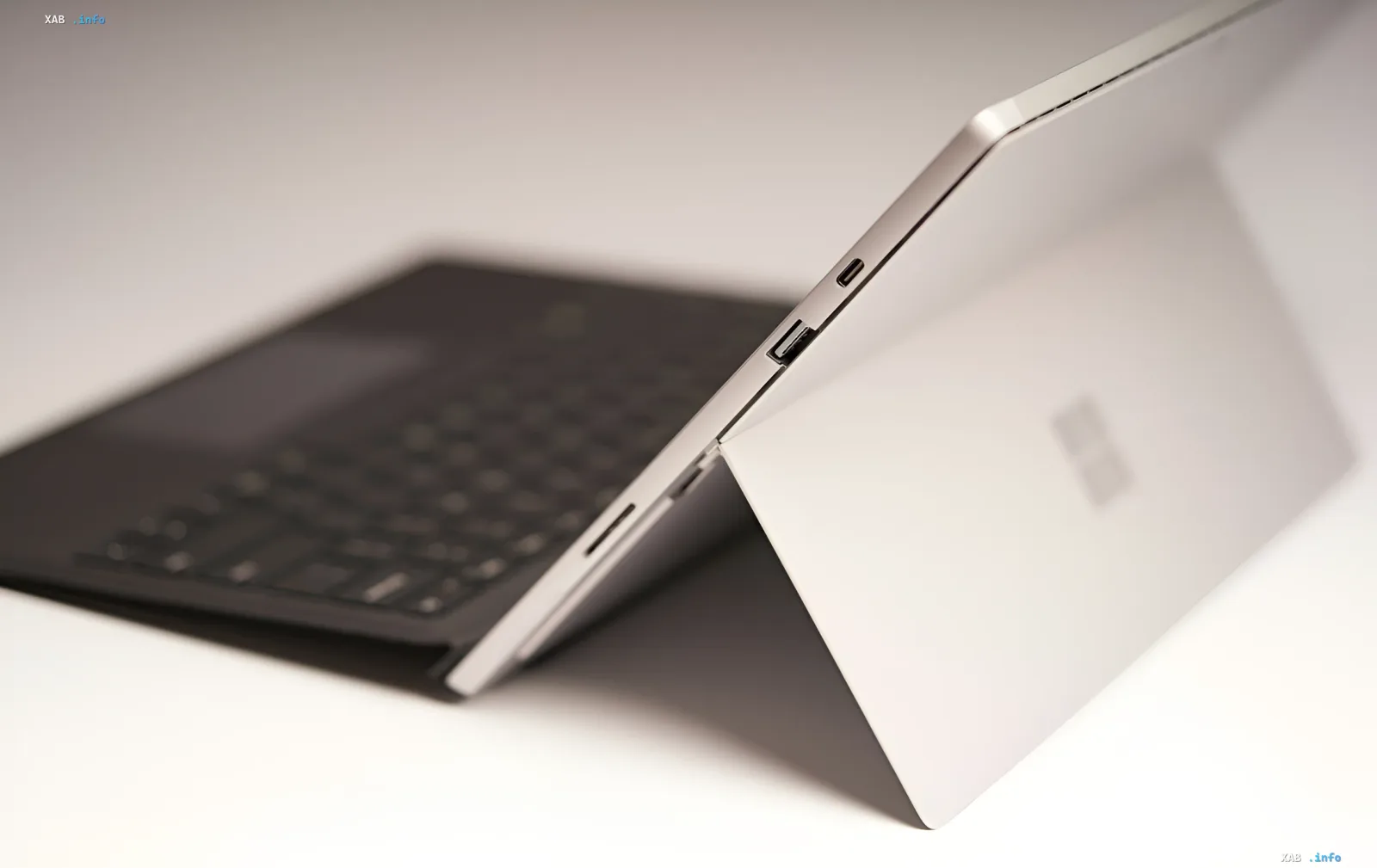
Microsoft continues to implement its strategy for the development of the Surface lineup, which is increasingly sparking debate within the tech community. In fact, the corporation has divided the market into two segments: retail customers are offered devices based on Qualcomm ARM processors, while corporate clients get access to significantly more powerful "hardware" based on x86 architecture.
The shadow experience of the transition to Snapdragon
The decision to fully switch consumer versions of Surface Pro and Surface Laptop to second-generation Snapdragon X processors looks like a risky move. History already knows precedents of similar experiments. When Microsoft first attempted to implement such a transition in 2024, users faced massive compatibility issues.
Traditional software developed for x86 architecture often refused to work correctly in the new environment. Moreover, many peripheral devices simply lacked the necessary drivers, making the use of laptops inconvenient for ordinary users.
Division into "insiders" and "outsiders"
The reaction of major corporate clients to the transition to the new architecture was instant and negative. Business users expressed dissatisfaction, which forced Microsoft to urgently create and allocate separate versions of devices specifically for them. The most noticeable difference is seen in the classic Surface Laptop lineup.
Business models are equipped with the latest Intel Core Ultra X processors. The key advantage of these devices is the presence of the ultra-fast integrated Arc B390 graphics core. This graphics accelerator takes the overall performance and gaming capabilities of the device to a level technically unattainable for Snapdragon-based models.
In addition to computing power, professional laptops receive additional features critical for the office: anti-glare matte screens and built-in privacy filters.
Economic paradox
Experts sharply criticize Microsoft's position, pointing out that the company is effectively imposing ARM architecture on ordinary users, depriving them of the right to choose. Formally, an ordinary buyer can find a business version of Surface in certain stores, but economic conditions make this practically impossible.
Prices for corporate configurations are artificially inflated, and discounts on them are almost never provided. At the same time, the cost of Snapdragon-based models on the secondary and retail markets is rapidly falling, making the purchase of powerful Intel versions unprofitable for most enthusiasts and ordinary users.