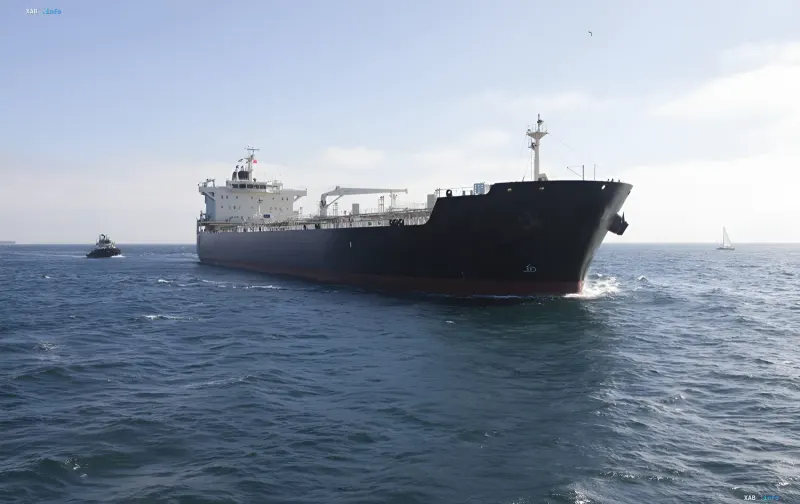
On Thursday, August 13, 2026, the situation in the strategically vital Strait of Hormuz sharply escalated. The Ministry of Foreign Affairs of the United Arab Emirates officially accused Iran of hostile actions against commercial shipping. The trigger for the stern statement was an attack on two tankers belonging to the state-owned oil company ADNOS, which occurred in the waters of the strait.
Official Position of Dubai: "Act of Piracy"
The UAE Ministry of Foreign Affairs condemned the incident, labeling it a "hostile Iranian attack." The official statement emphasized that Tehran committed "acts of piracy" by targeting commercial vessels. The Emirate authorities assert that Iran is using its control over the strait as a tool for economic pressure and blackmail. According to UAE diplomats, such actions pose a direct threat not only to regional stability but also to global energy security, as a significant portion of the world's oil supplies passes through the Strait of Hormuz.
Series of Incidents: Escalation Within a Week
The current incident is not an isolated case. This is already the second similar episode involving ADNOS vessels in less than a week. Previously, on Saturday, August 8, UAE authorities also condemned an Iranian attack on a company vessel transiting the strait. The repetition of attacks in such a short timeframe indicates a systematic nature of the threat and possibly a shift by Iran from verbal warnings to active actions against the fleets of countries opposing Tehran.
Warnings from the Islamic Revolutionary Guard Corps
The backdrop for this escalation was laid earlier by threats from the Islamic Revolutionary Guard Corps (IRGC). Iranian military structures warned that they would take measures against vessels transiting the strait if they were linked to Tehran's adversaries or failed to comply with Iranian directives. The UAE, being a key Western partner in the region and a participant in alliances aimed at countering Iranian influence, found itself at the center of these threats. The attacks on ADNOS can be interpreted as the implementation of previously announced plans for the "filtering" of shipping.
Global Consequences for Energy Markets
Given the tense geopolitical climate of 2026, any incidents in the Strait of Hormuz trigger an immediate reaction on global exchanges. Blocking or destabilizing shipping in this choke point could collapse global oil and gas supplies, leading to a sharp spike in energy prices. If confirmed by independent investigations, Iran's actions could become a catalyst for a new wave of sanctions or even military intervention by coalition forces seeking to ensure freedom of navigation.