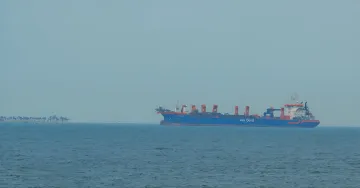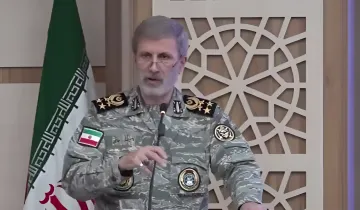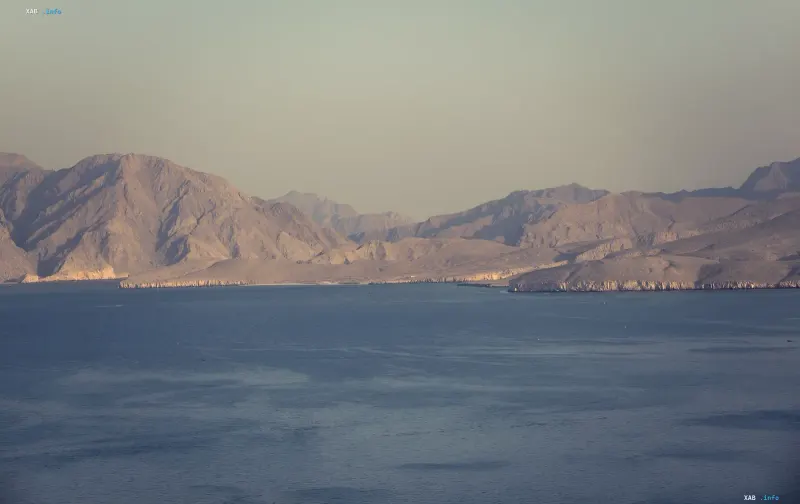
On August 14, 2026, the world faced a sharp escalation of conflict in the Persian Gulf. The Strait of Hormuz, through which a significant portion of global oil trade passes daily, was effectively blocked. The cause was Iran's refusal to continue dialogue and the resumption of active military operations against shipping. According to sources, Iranian forces shelled two more vessels, leading to a complete halt of transit in the region.
Breakdown of Negotiations and Resumption of Fire
The key factor triggering the current crisis was the failure of diplomatic efforts. A high-ranking Iranian source stated that no progress was made in negotiations regarding the "development of the June ceasefire agreement." After the ceasefire was derailed, Tehran decided to resume attacks on ships in the Strait of Hormuz. Iranian officials officially accused commercial vessels of attempting to pass through the strait without special permission, which served as a formal pretext for the use of force.
Attacks on UAE Vessels and Regional Reaction
The victims of the new wave of aggression were vessels from the United Arab Emirates. The Abu Dhabi National Oil Company (ADNOC) confirmed that two of its ships passing through the strait on Thursday evening were attacked. The UAE government officially blamed Iran for this, although Tehran made no immediate comments regarding these accusations. The situation is exacerbated by the fact that the Iranian parliamentary committee previously approved a plan for the strait containing provisions prohibiting the transit of assets and equipment, which effectively legitimizes the blockade.
Catastrophic Drop in Shipping
The analytics company Kpler recorded an unprecedented decline in activity in the strait. If about 130 ships passed through Hormuz daily before the start of the escalation, the situation changed radically on Friday, August 14. According to satellite monitoring, no shipments of crude oil were visible in the strait. The only recorded transport was a single empty tanker carrying refined petroleum products heading to the Gulf of Mexico. Experts note that some ships may pass unnoticed with transponders turned off, but large-scale trade is effectively paralyzed.
Geopolitical Confrontation and Threats
The situation in the strait has become an arena for a harsh confrontation between Iran and the USA. US President Donald Trump previously stated that the United States totally controls the Strait of Hormuz, while Iran insists that only they manage this key waterway. Torbjørn Solvold, a senior Middle East analyst at Verisk Maplecroft, notes: "Along with the threat to energy infrastructure in the region, Iran's ability to restrict shipping through the strait is its main source of leverage in negotiations." In response to Iran's actions, the US plans to apply unprecedented measures, primarily focusing on strong economic pressure on the regime.