Catastrophic Export Drop and the "Black Sea Blockade"
In August 2026, Ukraine's agricultural sector faced an unprecedented logistics crisis. According to the Ministry of Agrarian Policy and Food, agricultural exports for the month fell by 70% compared to potential figures. The cause was a strict blockade of Black Sea ports by Russia, which effectively cut off access for Ukrainian food to international markets. Minister Taras Vysotsky confirmed at a press conference in Kyiv that, as of today, only 30% of the potential volume of products can be exported to stabilize global markets.
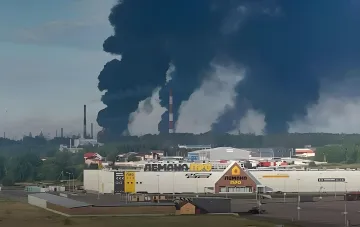
The situation is exacerbated by a complete absence of ships heading to the ports of Greater Odesa (Odesa, Chornomorsk, and Yuzhny) in August. During the first two weeks of the month (August 1–12), only 590,000 tons of agricultural products were exported, which is critically low for ensuring the country's foreign currency revenue. Mass attacks by the Russian side, which exceeded 70 strikes on port infrastructure in July and early August, led to a paralysis of maritime logistics.
Military Scenario: The Only Way to Recovery?
In response to the escalation of the blockade, Kyiv is considering radical measures. Minister Vysotsky stated that Ukraine is studying a military option to restore maritime transport in the Black Sea. Although the details of the operation and timelines are not disclosed, the official noted that in the event of a successful unblocking of the ports, the industry would need about one month to return to potential export levels. This decision is dictated by the need to regain control over key logistics hubs, as diplomatic and civilian mechanisms have proven ineffective under current conditions.
Economic Losses and Alternative Logistics
The economic consequences of the blockade are estimated in billions of dollars. According to the National Bank of Ukraine, the country risks losing about $2.5 billion in foreign currency revenue by the end of the year. The total damage to farmers from the rise in logistics costs reaches $3 billion. In an attempt to minimize losses, the Minister and companies are working on using alternative logistics routes. Vysotsky assessed the potential of these routes skeptically: "We expect that, taking into account alternative routes, we can reach 50% of the potential export volume, but that will be the maximum."
Domestic Market: No Shortage, But There Are Disruptions
Despite panic sentiments and rising consumer demand for cereals, pasta, and other food products, the Minister assured that Ukraine's domestic market is fully supplied with products. "There is no shortage," Vysotsky emphasized. He explained that the observed logistics disruptions concern exclusively the export direction, not domestic supply. However, experts note that a prolonged export crisis will inevitably hit farmers' incomes, which in the long term could affect production and prices within the country.