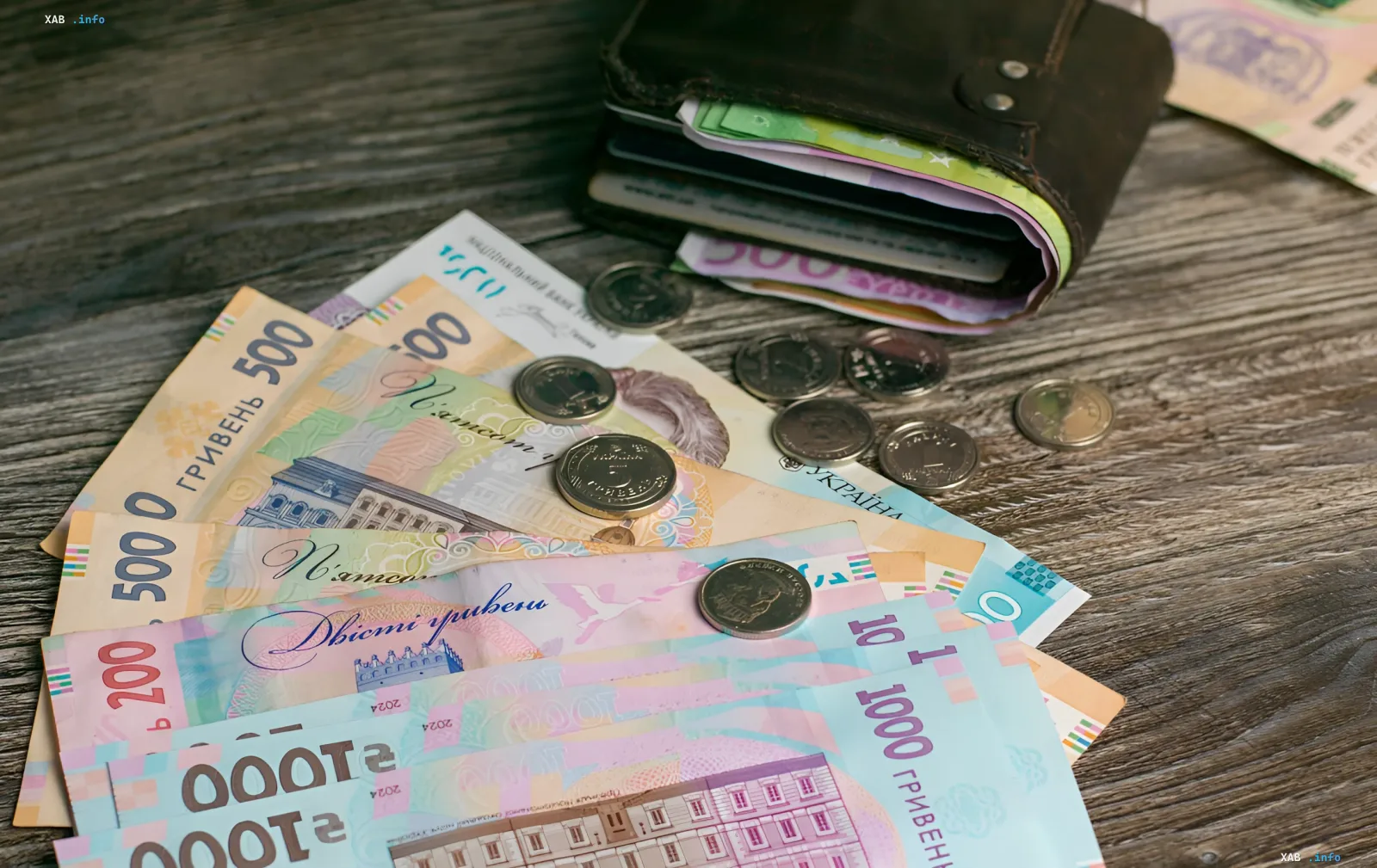
Against the backdrop of an acute budget crisis, Ukraine has effectively reassessed the priorities of its state spending. According to a statement by People's Deputy Olena Vasylievska-Smahliuk, conveyed to RBC-Ukraine, from September 15, 2026, only the three most essential sectors are being funded in the country, while all other budget lines have been frozen. The image of spread-out hryvnia banknotes and coins next to a wallet vividly illustrates the scale of the shortfall: cash and non-cash flows are concentrated in a narrow circle of critical areas, while a broad list of state programs remains unfunded.
What happened to the budget
As the MP explained, the current volume of funds is only enough for the most vital items, which is precisely why financing has been narrowed to three key sectors from mid-September. In her words, this is a forced measure dictated by the fact that the treasury simply has no resources to cover all necessary expenditures simultaneously. The deputy emphasized that the situation is systemic in nature and is linked not to a one-off disruption but to the chronic underfunding of several budget blocks.
Three directions and the vote in the Rada
Vasylievska-Smahliuk also commented on the agenda of the Verkhovna Rada regarding international requirements. In her words, the People's Deputies are voting on items related to parcels and securitization, whereas the SEPA issue — the Single Euro Payments Area — is absent from the agenda. The deputy expressed the view that some parliamentarians fear the introduction of the so-called “innocent register of bank accounts and safes,” noting that in conditions where “everyone in this country knows everything about everyone, especially where the money is kept,” such initiatives provoke heightened caution.
Risk of losing international financing
The context of the MP's statements underscores the scale of the threat: RBC-Ukraine had previously reported that Ukraine risks losing a significant portion of the $29.5 billion in international financing if the necessary bills are not adopted in time. In parallel, Prime Minister Serhiy Korytskyy stated the need for an additional $27 billion for the Defense Forces, while the Cabinet of Ministers is considering several options for raising these funds. Thus, the narrowing of the domestic budget coincides with pressure from external donors, who tie their disbursements to the implementation of specific reforms and legislative decisions.
Contradictory data
When comparing the versions of the parties and the figures from different sources, notable discrepancies emerge that are important to record openly. First, the exact composition of the “three funded sectors” is not disclosed uniformly in the MP's statements and in media headlines: the quote separately lists parcels and securitization as voting items on international requirements, not as an exhaustive list of funded directions, so the specific list of three sectors remains not fully verified. Second, two different amounts are mentioned — $29.5 billion (external financing, part of which may be lost) and $27 billion (the additional need of the Defense Forces according to the Prime Minister); these are indicators with different meanings, yet in public discussion they are often mixed together, creating the impression of a single budget “hole.” Finally, the temporal reference of the statement (“tomorrow” in the MP's quote) relative to the publication date requires caution when interpreting the current Rada agenda.
Deadlines and consequences for the Defense Forces
The key factor remains time: according to available data, the financing problem must be resolved within September so that the Defense Forces do not face a serious funding shortfall in October. This turns the coming weeks into a critical window for decision-making both in the Verkhovna Rada and at the level of the Cabinet of Ministers. The outcome may be either the stabilization of budget flows and the preservation of external financing, or a further narrowing of expenditures and an increase in risks to the country's defense capability.