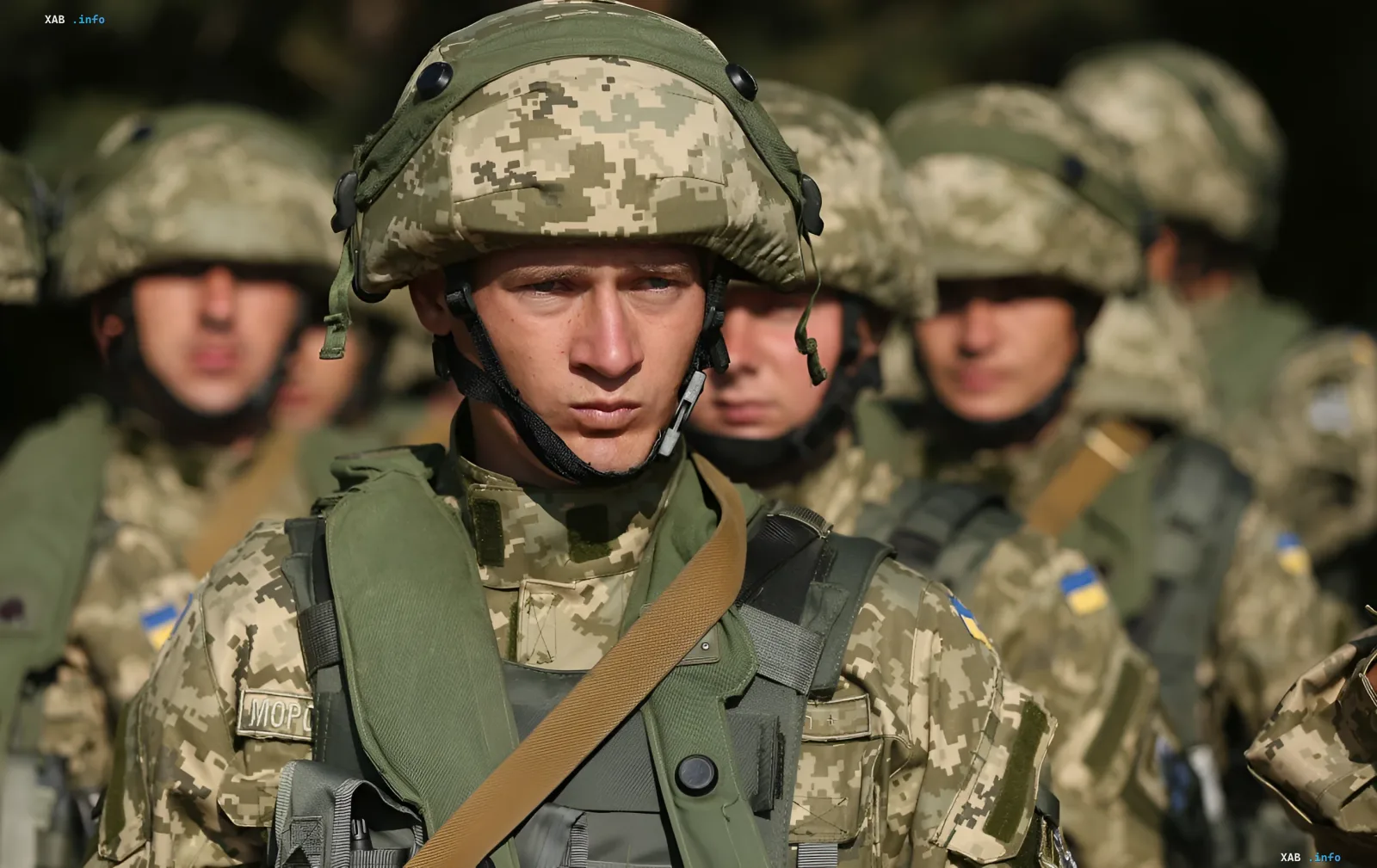
The Ukrainian defense forces, by the admission of the Alliance’s own military personnel, operate at a tempo that NATO member armies are unable to adapt to. This concerns, above all, the speed of procurement, personnel training, and weapons development. RBC-Ukraine reports this, citing a Business Insider piece whose journalists spoke with Alliance troops involved in training Ukrainian soldiers on Polish territory, in particular at the Camp Jomsborg base.
Frontline lessons in a Polish camp
A key element of the training process has been that Ukrainian soldiers share with representatives of NATO member armies the practical lessons they have gained directly on the front line. According to Major John, who coordinates the training process, one of the main differences between Ukraine and Western armies lies precisely in the speed of work: Kyiv needs training and the necessary equipment as quickly as possible, whereas Western military structures mostly operate on long-term plans. “The West is accustomed to long planning horizons. Ukraine needs a result here and now,” he explained.
Speed as the key difference
A similar statement was made by the commander of the exercises, Norwegian Brigadier General Atle Molde. In his words, the difference in tempo concerns not only military training. The peacetime rules in the sphere of procurement and weapons modernization, in his assessment, create daily difficulties even for an army as capable as the Norwegian one. In Ukraine, by contrast, changes in weapons and approaches can be implemented much faster — directly under combat conditions.
Drones: days versus months
As a vivid example, General Molde cited drones. In Western armies, the process of updating equipment and software can take months, whereas Ukrainian engineers working close to the front line are able to change the software every few days or weeks, guided by current military needs. It is precisely this experience, according to the outlet, that is prompting Western allies to rethink their own approaches to bureaucratic procedures, risk assessment, and cooperation with the defense industry.
Contradictory data
At the same time, the same sources also offer a more cautious assessment. Representatives of Western armies acknowledge that Ukraine’s ability to act faster is largely driven by the conditions of war, which create the urgency characteristic of armies in a state of active combat. Thus, one side — the Business Insider journalists and the exercise coordinators — presents the speed of the Ukrainian forces as an operational advantage that NATO should adopt, while the other — the Alliance’s own military — partly downplays its significance, attributing the tempo not to structural superiority but to a forced reaction to combat conditions. Both viewpoints coexist within a single piece and do not contradict each other factually, but they diverge in interpretation: whether Ukraine’s speed is a durable “recipe” or a consequence of an extreme context.
What this changes for the West
Independent of this context but related to the theme are calls at the defense-ministry level to accelerate and scale up deliveries. Thus, according to RFI, the U.S. Secretary of Defense urged NATO countries to increase their purchases of American weapons for Ukraine, while Ukrainian and European media (including zn.ua) note that Western procurement is failing to keep pace with the tempo of war. Against this backdrop, the Alliance, despite public doubts about its own readiness for a large-scale conflict, states its intention to stand up to Russia in the event of a possible invasion. Acknowledging the Ukrainian pace of work effectively becomes an argument in favor of reforming bureaucracy and the defense industry in the West.