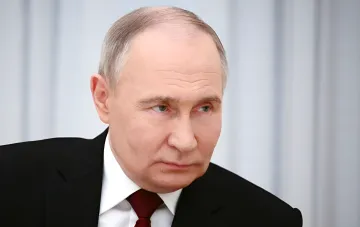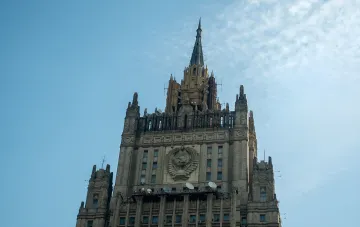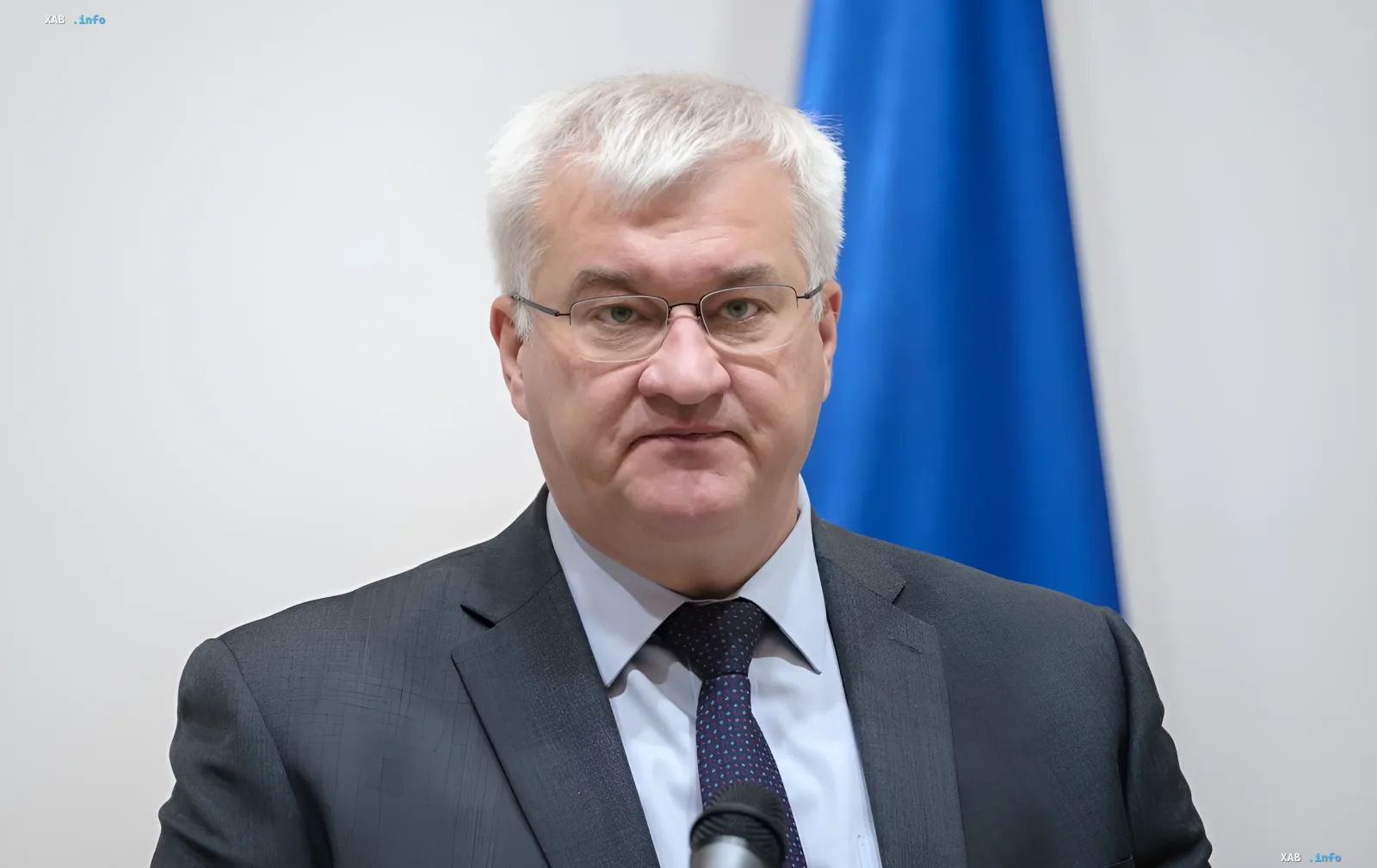
The Ministry of Foreign Affairs of Ukraine issued a sharp statement rejecting the possibility of judging Moscow's peace intentions solely on the basis of its diplomatic rhetoric. According to the ministry's position, the only reliable indicator of Russia's intentions is its concrete actions on the battlefield and in the sphere of military build-up. As the MFA reported in its official channel on the social network X, cited by RBC-Ukraine, "while Moscow talks about diplomacy, it continues to invest in missiles and expand its capacity to wage war." Thus, the Ukrainian diplomatic service directly stated that the Kremlin's readiness for peace should be assessed not by declarations, but by actual steps which, according to Kyiv, point to the opposite.
Actions instead of declarations: Kyiv's position
The statement by Ukraine's Foreign Ministry clearly formulates the methodological framework for assessing Russian behaviour: Moscow's diplomatic signals are viewed as a rhetorical instrument not backed by practical steps. The ministry emphasised that, in parallel with any public statements about the possibility of negotiations, Russia is systematically building up its military potential — investing in the production of missile weapons and expanding the infrastructure needed to sustain a protracted conflict. Kyiv stresses that it is precisely this discrepancy between words and deeds that makes any of Moscow's diplomatic initiatives, in its assessment, unconvincing until a concrete turn in military policy is recorded.
Kyiv under constant threat: 13 alerts and 872 minutes of danger
As a vivid example of the ongoing military pressure, Ukraine's MFA cited the events of 27 August in the capital. On that day, 13 air raid alerts were declared in Kyiv due to attacks by Russian drones, and the total duration of the danger regime reached 872 minutes — practically 15 hours of the city being continuously under threat. According to the ministry, Russian drones were launched in small groups, which made it impossible to shoot them down in mass salvos and created a "dripping" threat effect throughout the entire daylight hours. This tactic, in the MFA's assessment, disrupted the operation of public transport, state and city services, and forced civilians to constantly interrupt their daily activities and take shelter.
Small-group tactics and the attrition of the civilian population
The ministry noted that for settlements located near the front line, such multi-hour alerts have long become a familiar reality. However, in the MFA's view, transferring this tactic to Kyiv and other major cities demonstrates that Russia is deliberately using war as a tool of pressure on the civilian population deep inside the country. The continuous nature of the attacks, stretched over 15 hours, creates chronic stress among residents, paralyses logistics and economic activity, which, in Kyiv's logic, is part of a strategy of attrition rather than a tactical necessity.
The scale of the 27 August attack: over 140 drones and strikes on infrastructure
The MFA's statement came against the backdrop of a large-scale sustained attack that Russia launched against Ukraine on 27 August. According to the data cited in the context of the statement, from the morning Russia fired more than 100 jet-powered drones at Ukrainian territory, and in total, starting from 07:00, around 140 strike drones were launched, with Kyiv as the main target. Experts commenting on the strike tactics of that day pointed out that not only military objects but also critical infrastructure and the warehouses of retail chains in Kyiv and several regions came under fire. The continuous air attack, which lasted almost the entire day, was, in the assessment of specialists, aimed at simultaneously striking the military and civilian economy.
Context: the diplomatic backdrop and an assessment of prospects
The statement by Ukraine's Foreign Ministry fits into the broader context of the ongoing conflict, in which, in Kyiv's assessment, Russia shows no readiness for substantive concessions. The post on the social network X is generally directed both at the domestic audience and at international partners, to whom Ukraine seeks to convey that any calls for "negotiations with Russia" must take into account the actual dynamics at the front and in the sphere of military production. The ministry, in effect, sets a condition: until Moscow stops building up its strike potential and halts attacks on civilian objects, the diplomatic track cannot be considered workable.