Ukraine's defense industry is on the verge of major changes. As of July 1, a new, simplified mechanism for exporting domestic weapons and military technologies comes into force in the country. This decision aims to address the problem of excess production capacity that cannot be fully utilized solely through domestic state orders.
The end of the era of uncertainty for business
The key innovation is the radical reduction of bureaucratic processing times. Now, applications from manufacturers will be reviewed not in 90 days, but in just 30. According to Igor Fedirko, Executive Director of the Gunsmiths Council, this is a critically important step for the market. Until now, the lack of clear procedures and timelines has prevented companies from properly planning contracts, hiring staff, and investing in development.
"For business, this is critical because the biggest problem right now is uncertainty. A company cannot properly plan a contract, production, personnel, and investments if it does not understand whether it will receive permission and exactly when," Fedirko explains the situation.
Export as a growth driver, not a threat
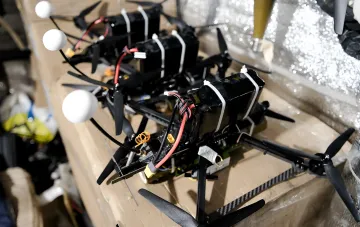
The introduction of controlled exports is viewed by experts not as a weakening of defense capabilities, but as a way to scale. Manufacturers get the opportunity to attract external resources to expand teams, purchase components, and implement new technologies. The mechanism will operate in the format of a Drone Deal — with partner countries with which Kyiv already has intergovernmental agreements.
Risks of bureaucratic collapse
Despite the positive outlook, experts warn of risks associated with the human factor. There are thousands of companies in the defense technology sector in Ukraine. Even if the export flow is limited to 200–300 manufacturers, the State Export Control Service (Derzhexportkontrol) may not be able to cope with the load within the established deadlines.
The main problem is a shortage of personnel. Over the past year, the market has practically "picked over" the best specialists of the agency. Currently, private companies offer export control experts salaries five times higher than state rates. Without a review of salaries and staffing levels in Derzhexportkontrol, there is a real risk that the new mechanism will turn into another bureaucratic queue with endless refusals.
Igor Fedirko emphasizes that for the reform to succeed, the state must not only launch the mechanism but also ensure it has resources: review salaries and increase the agency's staff. Only a transparent application route and real compliance with the 30-day deadline will allow Ukraine's defense industry to make a qualitative leap forward.