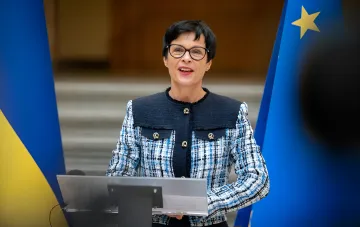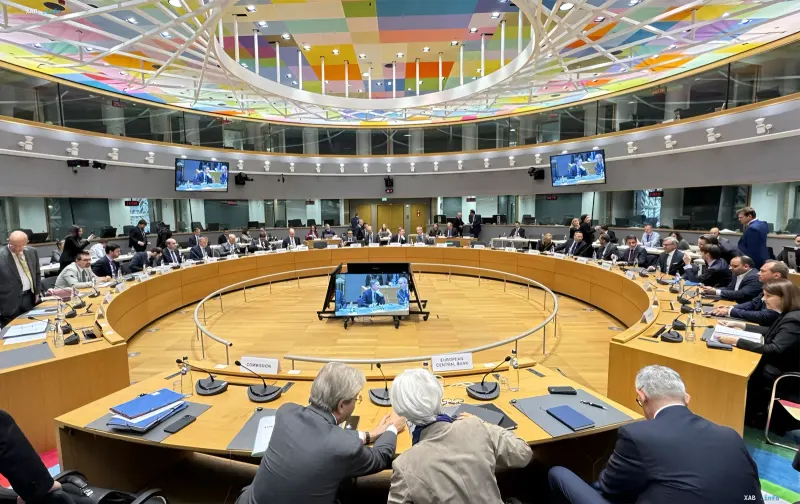
The European Union has begun drafting special roadmaps for four countries considered the most advanced on the path to European integration. This list includes Ukraine, Montenegro, Moldova, and Albania. According to Politico, citing high-ranking European officials, the new documents are designed to clearly define the algorithm for further movement toward full membership in the community.
Essence of the Initiative and New Roadmaps
The roadmaps developed by the European Commission are intended to contain a detailed list of necessary reforms, as well as indicative deadlines for completing negotiation clusters. An important feature of the document will be that it records not only the requirements for candidate countries, but also the reciprocal obligations of EU member states, upon which the speed of the negotiation process directly depends. An official European Commission spokesperson has already confirmed the preparation of the initiative, noting that it will help systematize priorities and achieve measurable results.
It is worth noting that the new format is not yet planned to be extended to other states at various stages of integration. Specifically, roadmaps are not envisaged for Kosovo, North Macedonia, Bosnia and Herzegovina, nor for Georgia, Turkey, and Serbia, where the European integration process faces serious political difficulties.
Gradual Integration and Enlargement Policy Reform
In parallel with preparing plans for the frontrunners, Brussels is reviewing its overall policy of preparation for future expansion. The proposed strategy is based on the principles of gradual integration of candidate countries by granting them economic benefits and access to joint projects even before official accession to the bloc. The updated concept is expected to be presented to officials as early as October 6, 2026.
Contradictory Data
Despite increased work on the roadmaps, serious disagreements remain regarding the realistic timeframe for Ukraine's accession to the European Union. Previously, Ukrainian President Volodymyr Zelenskyy expressed hope for the country's accession to the EU by January 1, 2027. However, the German Chancellor openly called these deadlines unrealistic, stating that Ukraine's membership in the European community is unlikely to happen even by 2028, highlighting ongoing internal debates within the bloc regarding the pace of enlargement.