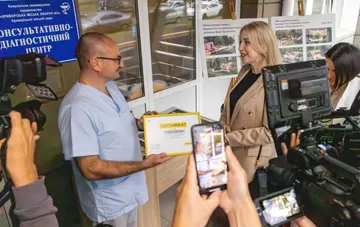
Ukraine has a mechanism for postmortem organ donation that allows a person to give consent, while still alive, to the removal of their organs after death. This was explained in an interview with RBC-Ukraine by cardiologist-transplantologist Serhiy Mokhнатый of the Ministry of Health of Ukraine's Center of Cardiology and Cardiovascular Surgery. According to him, to become a potential donor, it is enough to fill out an application on the website of the Ukrainian Transplant Coordination Center and join the registry. "In this way, a person is added to the registry, and if something happens to them, consent from relatives is no longer required," the transplantologist explained. If no such consent was given during a person's lifetime, the decision to remove organs after death is coordinated with the deceased's relatives.
Who Can Become a Donor: The Brain Death Criterion
A potential organ donor is a person who has experienced brain death but whose other organs continue to function. As Mokhнатый noted, such a situation can arise after a severe stroke or a traffic accident. "A person's brain must already have stopped working, while the other organs must be preserved," the doctor emphasized. He gave an example from his own practice: one of his patients suffered a hemorrhagic stroke that led to the death of the brain, yet the heart, liver, and kidneys continued to work. After the relatives gave their consent, the woman became a donor of several organs at once. "The patient became a donor not only of the heart but also of the liver and kidneys," the transplantologist said.
Why Not Every Person Killed in an Accident Can Become a Donor
A common misconception is that any person killed in a traffic accident automatically becomes a potential donor. Mokhнатый dispelled this myth: in an accident, organs may sustain serious injuries, making them unsuitable for transplantation. "In an accident, organs can be injured. Therefore, not all those who have died can be considered potential donors," the doctor explained. The final decision on whether a specific donor's organs can be used is made by medical professionals, who assess the condition of each organ individually.
Age: A Medical Limitation, Not a Prohibition
With age, the functional reserve of organs naturally declines, and this is taken into account when assessing a donor's suitability. Nevertheless, Mokhнатый clarified that an age above 70–75 is more of a medical limitation than an outright ban on donation. This means that in certain cases, the organs of elderly people can still be used for transplantation if their condition allows it. The final word in this matter always rests with the doctors, who make the decision based on the specific clinical picture.
Society Is Changing: The Fear of "Illegal Removal" Is Fading
The transplantologist noted that Ukrainians' attitude toward postmortem donation is gradually transforming. In his observation, people are increasingly asking on their own how to register their consent to donation, and the fear that organs might be used illegally has become noticeably smaller. "No one knows what awaits us. It may turn out that we or our relatives will need help. And the consent of other people to donate can save a life. This view should be cultivated in society," Mokhнатый added. The expert emphasizes that popularizing the idea of donation remains an important task for the healthcare system and public institutions.
Context: Breakthrough Transplants in Ukraine
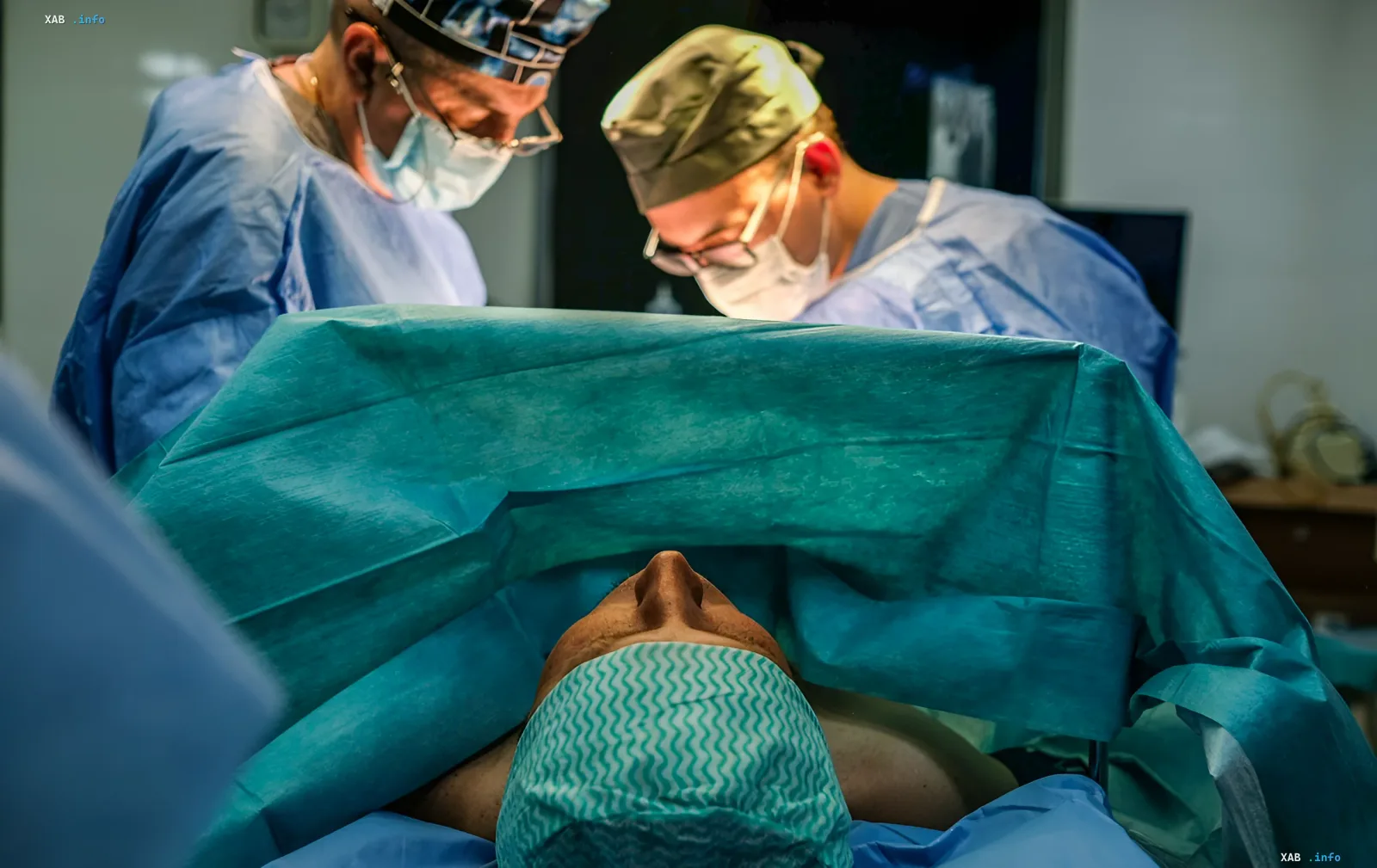
The relevance of the topic of organ donation in Ukraine is underscored by recent clinical achievements. At the Ministry of Health's Center of Cardiology and Cardiovascular Surgery, the country's first heart transplant was performed on a child who had previously undergone a complex Fontan operation. In addition, in Lviv, two hearts were transplanted within 52 hours to 20-year-old Vitaliy Dats: the first organ stopped working immediately after transplantation, but the second operation was successful. These cases demonstrate that without a stable system of donation and coordination, such operations would have been impossible.