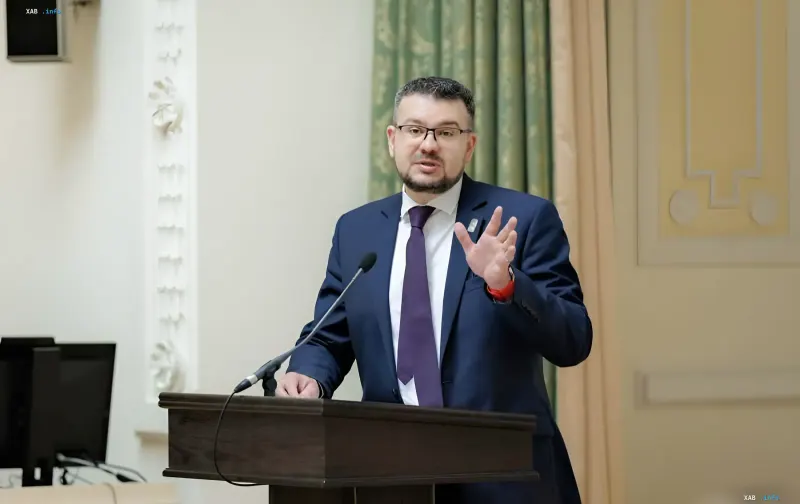
In August 2026, Ukraine continues to implement a large-scale state program to return the remains of historical figures to their homeland. Immediately following the completion of the exhumation and reburial of the head of the Organization of Ukrainian Nationalists (OUN), Yevhen Konovalets, who was transferred from the Netherlands to the National Military Memorial Cemetery, public attention shifted to the next figure. The head of the Ukrainian Institute of National Remembrance (UINR), Vladyslav Alferov, confirmed that the next person to be returned to Ukraine will be a representative of the high command of the army of the Ukrainian People's Republic (UNR).
New Stage: Return of a UNR Commander
According to information received from the leadership of the UINR, the specific surname of the next hero is not yet disclosed. Vladyslav Alferov explained this by the need to maintain confidentiality during the preparation stage, noting that "part of the work requires less publicity and more concrete action." Nevertheless, the list of individuals whose remains are planned to be returned has already been compiled. This indicates that the process is not an improvisation but a clearly planned strategy to reunite the nation with its historical heritage.
The decision to reburial specifically a UNR commander has deep symbolic meaning. In the context of the current war and the struggle for sovereignty, figures associated with the UNR army occupy a special place in the national consciousness. Their return is intended to emphasize the continuity of the struggle for independence from the early 20th century to the present day.
Plan for the End of 2026 and Expansion of Chronology
Vladyslav Alferov indicated that 2026 will be a record year for the reburial program. According to him, processes are being carried out in parallel for different surnames, and the institute is creating all prerequisites to conduct one or several more events before the end of the year. This poses serious logistical and diplomatic challenges for the organizers, given the need to coordinate exhumations with foreign states.
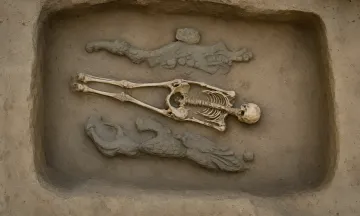
Particular interest is aroused by the statement regarding the expansion of the chronological framework of the search. If previously the focus was concentrated on figures of the liberation struggle of 1917–1921, now the institute is considering burials from significantly earlier periods. We are talking about Hetman and princely burials. Alferov confirmed the availability of results in several directions, the publication of which will take place immediately after the completion of repatriation procedures.
Context: Creation of the National Pantheon
All these actions are part of a grand project to create a National Pantheon of Heroes, an idea voiced by President Volodymyr Zelenskyy back in April 2026. Initially, the project envisaged the creation of a memorial complex for awarding national heroes and outstanding figures. However, the format quickly transformed into an active program for the repatriation of remains.
The first stage of this initiative was the return from Luxembourg of the remains of Colonel Andriy Melnyk and his wife Sofia. At that time, Vice Prime Minister Irina Vereshchuk called this event the beginning of the creation of the Pantheon. In August 2026, this tradition was continued by the return of Yevhen Konovalets from the Netherlands. Now, with the announcement of the return of a UNR commander, the core of the future memorial complex is being formed, which is intended to become a place of pilgrimage and a symbol of state memory.
International Aspect and New UINR Projects
In addition to direct repatriation, the UINR has announced a new project within the framework of the reburial program — the organization of visits to cemeteries with Ukrainian burials in Europe. This initiative is aimed at preserving the memory of those whose remains cannot yet be returned and at fostering historical consciousness among the youth. In conditions where Ukraine actively interacts with the international community, such visits also serve as a tool of soft power and memory diplomacy.