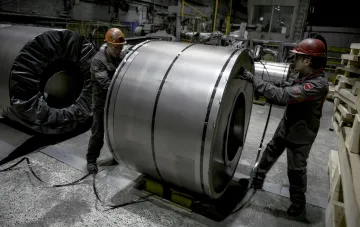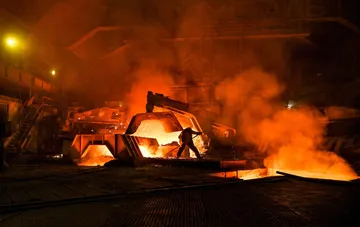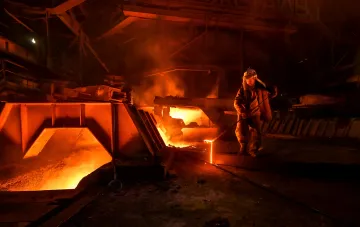
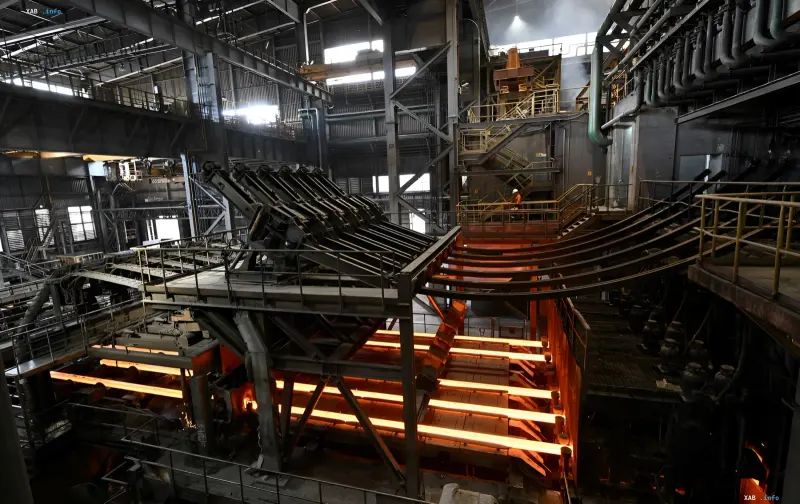
The shutdown of Ukraine's largest metallurgical enterprises as a result of Russian strikes on production facilities has led to a structural shift in the metal products market: the country, which just a few years ago was a prominent steel exporter, is turning into an import-dependent market. According to Ukrmetallurgprom, the share of imports in domestic consumption grew from 22.6% in 2021 to 46.8% in the first three quarters of 2026. During this period, Ukraine imported 84,000 tons of rebar — almost 1.5 times more than in the same period last year. China and Turkey became the main suppliers, but certain types of products have to be purchased in less familiar markets: in September, significant volumes of rebar came from Egypt, and wire rod for mesh production began to be imported from Moldova.
Scale of the deficit and production collapse
Enterprises of Metinvest Group, ArcelorMittal Kryvyi Rih, and Interpipe — key players in the domestic market — came under attack. Domestic steel production has sharply declined, and reserves of rebar and rolled products are running out. According to the GMK Center analytical center, the monthly deficit of the most demanded types of rolled products is already about 200,000 tons, and imports do not yet compensate for this shortage. Metinvest itself stated that it can cover about 95% of projected demand within a month, but for certain items, the deficit is already noticeable. GMK Center Director Stanislav Zinchenko emphasized that finding suppliers for such large batches and delivering metal overland under blocked ports conditions is «a colossal challenge for the industry».
Logistics deadlock: two months for delivery
Quickly increasing supply volumes is hindered by logistical constraints. Metal has to be transported through the ports of Romania and Bulgaria, and then delivered to Ukraine by rail or road. Such a route takes at least two months, making a prompt response to the deficit practically impossible. Additional pressure is created by domestic transport: the August increase in Ukrzaliznytsia freight tariffs by 30% increased the cost of delivering products to end consumers. The combination of long international routes and more expensive domestic transport creates double pressure on metal product prices.
Construction sector on the verge of shutdown
Problems with metal supplies are already directly affecting the construction industry. KAN Development stated that without importing rebar, construction could face severe restrictions. Company founder Igor Nikonov noted: «Reserves are melting away, and without imports, construction will stop. The situation where basic rolled products have to be imported is completely new for us». According to his estimates, over the past year alone, construction costs have increased by 30–35%, and rebar has risen in price by approximately 60%. Developers are forced to look for alternative suppliers and factor the risks of further price growth into project costs.
Budget losses and systemic consequences
Attacks on production and logistics have already led to significant losses for the state budget. Over the nine months of 2026, it under-received about UAH 49.5 billion in tax revenues, and by the end of the year, this amount could increase to UAH 70 billion. Under a pessimistic scenario, total losses could reach UAH 100 billion. Thus, the shutdown of metallurgy hits not only the construction sector but also the state's fiscal capabilities, depriving it of a significant flow of tax revenues from one of the country's largest industrial clusters.
What's next: the new status quo
The main change has already taken place and is systemic in nature: Ukraine is transforming from a major steel producer and exporter into an import-dependent market. For the construction sector, this means more expensive logistics, longer delivery times, and additional pressure on project costs. For now, the market is partially supported by warehouse stocks, but their «reserve is melting», as industry participants themselves note. Without the restoration of domestic production or the formation of stable alternative supply chains, the deficit of metal products risks becoming a chronic factor determining the pace and cost of construction for years to come.