Attack on a key Russian industrial facility
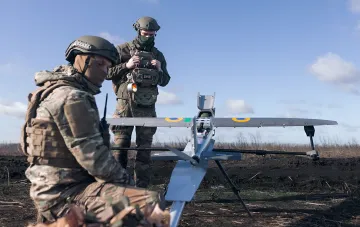
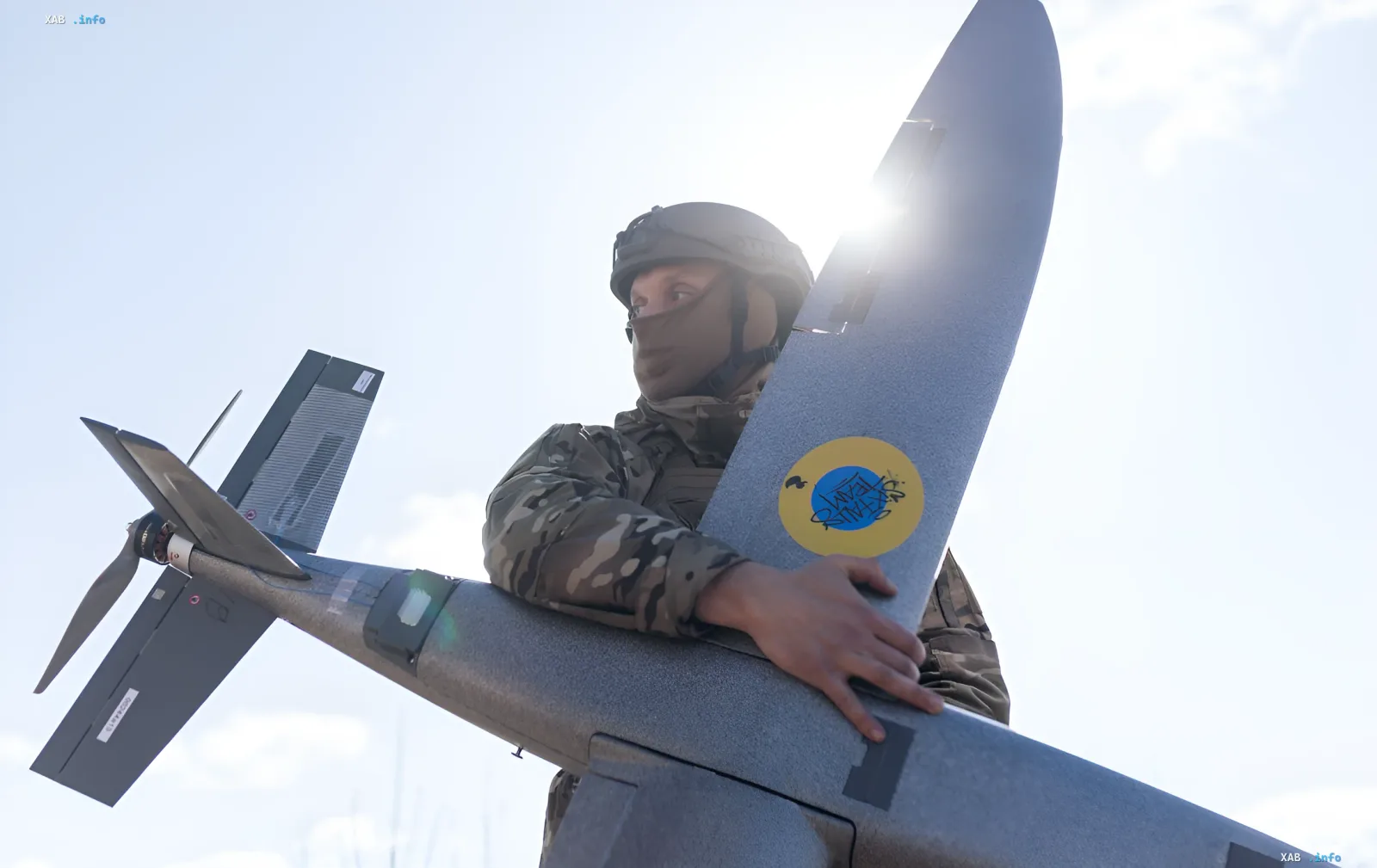
On the night of August 13, 2026, the Defense Forces of Ukraine struck the Gazprom Neftchem Salavat oil refining complex, located in the city of Salavat in the Republic of Bashkortostan. This was reported by RBK-Ukraine citing the General Staff of the Armed Forces of Ukraine and the press service of the Unmanned Systems Forces. The operation was carried out by operators of the 1st Separate Center of the Special Operations Forces together with other units of the Defense Forces of Ukraine.
A fire was recorded on the territory of the enterprise. The distance from the site of the strike to the state border of Ukraine is about 1,300 km, which underscores the range and accuracy of the use of modern unmanned systems. The attack became further proof of the Ukrainian side's ability to strike strategically important objects deep within Russian territory.
Significance of the facility for the Russian economy and army
Gazprom Neftchem Salavat is one of the largest oil refining and petrochemical complexes in Russia. Its capacity for processing hydrocarbon raw materials reaches 10 million tons per year. The enterprise produces automotive gasoline, diesel fuel, fuel oil, bitumen, polyethylene, and other petroleum products and polymers. The plant is actively involved in supplying the Russian occupation army, providing fuel and lubricants as well as raw materials for the military industry.
A strike on such an object deals a serious blow to Russia's logistical and production infrastructure, especially in the context of the ongoing conflict. Repeated attacks on this plant — in September 2025 and July 14, 2026 — indicate Ukraine's systematic strategy to weaken the enemy's military potential by striking rear-area facilities.
Reaction of local authorities and confirmation of facts
Local authorities in Bashkortostan reported the fall of drone debris but did not confirm the scale of damage or the presence of a fire. However, independent sources, including Ukrainian media and international observers, recorded flashes of fire and smoke over the plant's territory. Photo and video materials published on social networks also confirm the fact of the fire.
It is important to note that Russian official sources often cover up or downplay the scale of such incidents, especially if they involve facilities related to the military industry. This creates an information vacuum that is filled with data from third-party observers and satellite imagery.
Contradictory data
There are discrepancies in assessments of the scale of damage and the degree of damage to the plant. According to Ukrainian sources, the fire was significant and led to a temporary halt in oil refining. At the same time, local authorities in Bashkortostan reported only the fall of drone debris, without mentioning a fire or a production stoppage. There is also no single version regarding the number of drones used and the type of ammunition employed.
Some experts suggest that Russian authorities may be hiding the real scale of damage to prevent panic among the population and to avoid showing the vulnerability of critical infrastructure. Others believe that the fire was quickly contained and did not cause serious damage to production. These contradictions require further monitoring and analysis of satellite data.
Strategic significance of the attack and prospects
The attack on Gazprom Neftchem Salavat demonstrates Ukraine's growing ability to strike objects deep in the enemy's rear. This not only causes economic damage but also undermines the morale of Russian military personnel and the civilian population. Such operations are becoming more frequent and effective, forcing Russia to reconsider its strategies for protecting critical infrastructure.
In the future, we can expect even more such attacks, especially in light of the development of Ukrainian unmanned systems and the expansion of their range. This could also lead to an escalation of the conflict and new retaliatory measures by Russia. However, for now, Ukraine retains the initiative in this direction, using drones as a tool of strategic pressure.