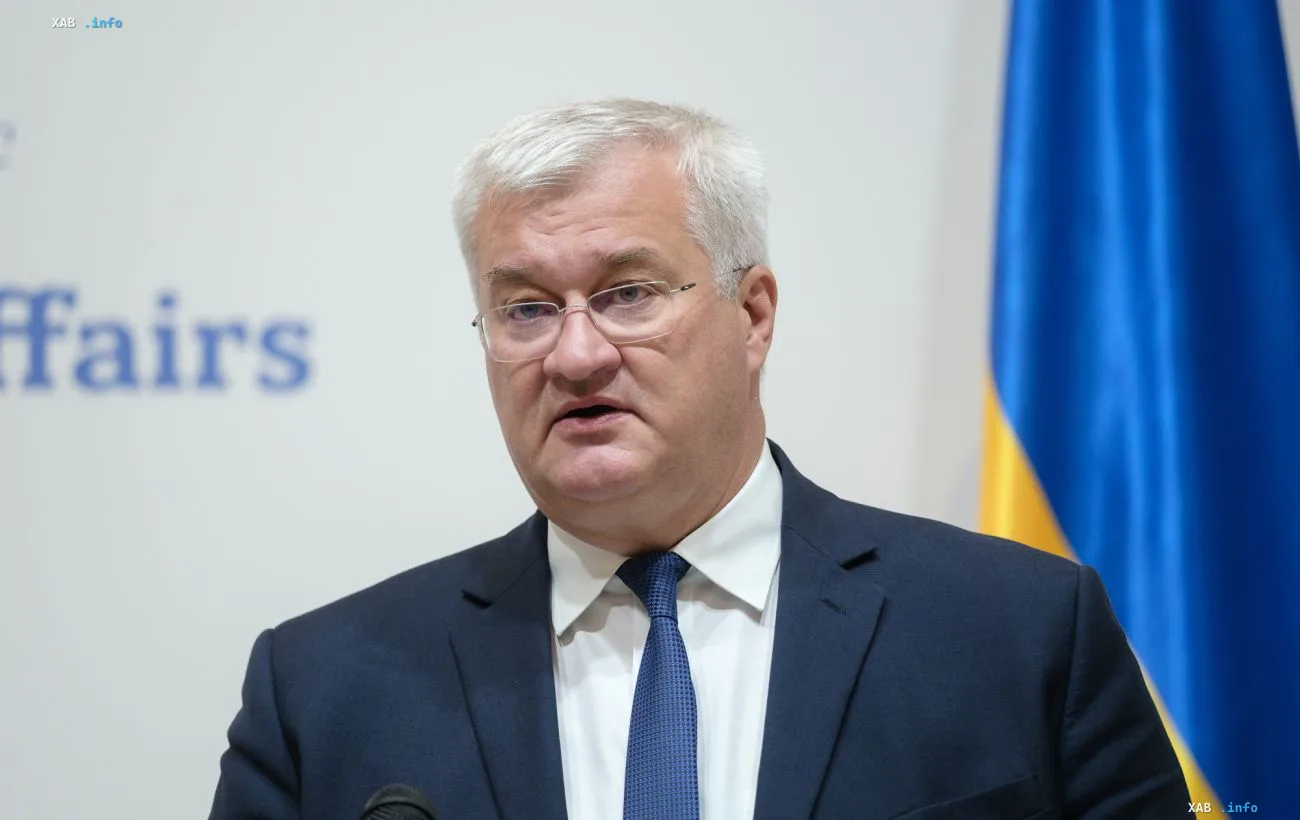
Ukraine has officially confirmed its unwavering support for the International Criminal Court (ICC), its institutional independence, and principles of integrity. A corresponding statement was released by the Ministry of Foreign Affairs of Ukraine on the social network X just a few hours after the United States of America imposed large-scale sanctions against this international judicial body. Kyiv's stance remains principled against the backdrop of global geopolitical changes and mounting pressure from Washington.
The Role of the ICC in Ensuring Justice for Ukraine
The Ukrainian foreign ministry particularly emphasized that the International Criminal Court serves as a critically important and vital instrument. Through it, Ukraine seeks to hold the Russian Federation internationally accountable for war crimes and atrocities committed on its territory, as well as to ensure real justice for all affected citizens. Official Kyiv became a full participant in the Rome Statute on January 1, 2025, following ratification by the Verkhovna Rada in August 2024. It was this tribunal that issued a historic arrest warrant in March 2023 for the Russian leadership over the illegal deportation of Ukrainian children.
US Sanctions Pressure and the Response
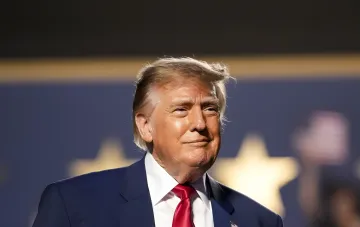
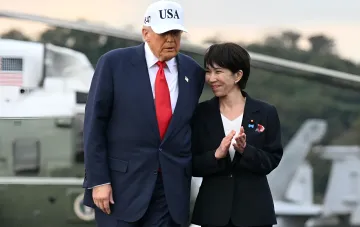
The statement by the Ukrainian MFA came at an extremely difficult period for the court itself. On the evening of October 9, Washington officially announced the introduction of harsh sanctions against the ICC as an institution. US Secretary of State Marco Rubio explained that the United States is completely banning any financial and operational transactions with the court, intending to cut off all resources due to alleged attempts to exceed powers and prosecute American citizens. This decision was preceded by a long campaign to dismantle the court's influence, as well as several other geopolitical events, including the withdrawal of certain states from the organization.
Contradictory Data
While official Kyiv declares unconditional support for the ICC and its intention to continue close cooperation with other participating states to ensure the court's effectiveness, the international reaction is extremely ambiguous. The United States justifies the sanctions by the need to protect national sovereignty from the jurisdiction of a body not ratified by Washington. Simultaneously, amid American pressure, countries such as Venezuela and Chad announced their withdrawal from the Rome Statute, creating a serious institutional crisis. At the same time, the international prestige of the judicial system received certain support through the awarding of the Nobel Peace Prize to a former ICC judge, which only intensified polarization in the global community.
Future Prospects for Cooperation
Despite sanctions pressure from a strategic partner in the form of the US, the Ukrainian side declares its readiness to defend the principles of international humanitarian law. Kyiv intends to coordinate its actions with European and other democratic allies to neutralize the consequences of Washington's restrictions. Experts note that the current situation puts Ukraine in a difficult diplomatic position, forcing it to maneuver between a key military ally in Washington and the need to preserve the legitimacy of international justice mechanisms.