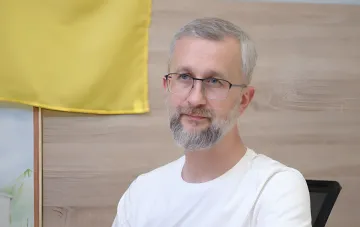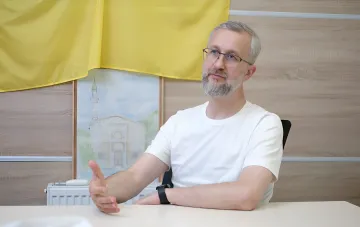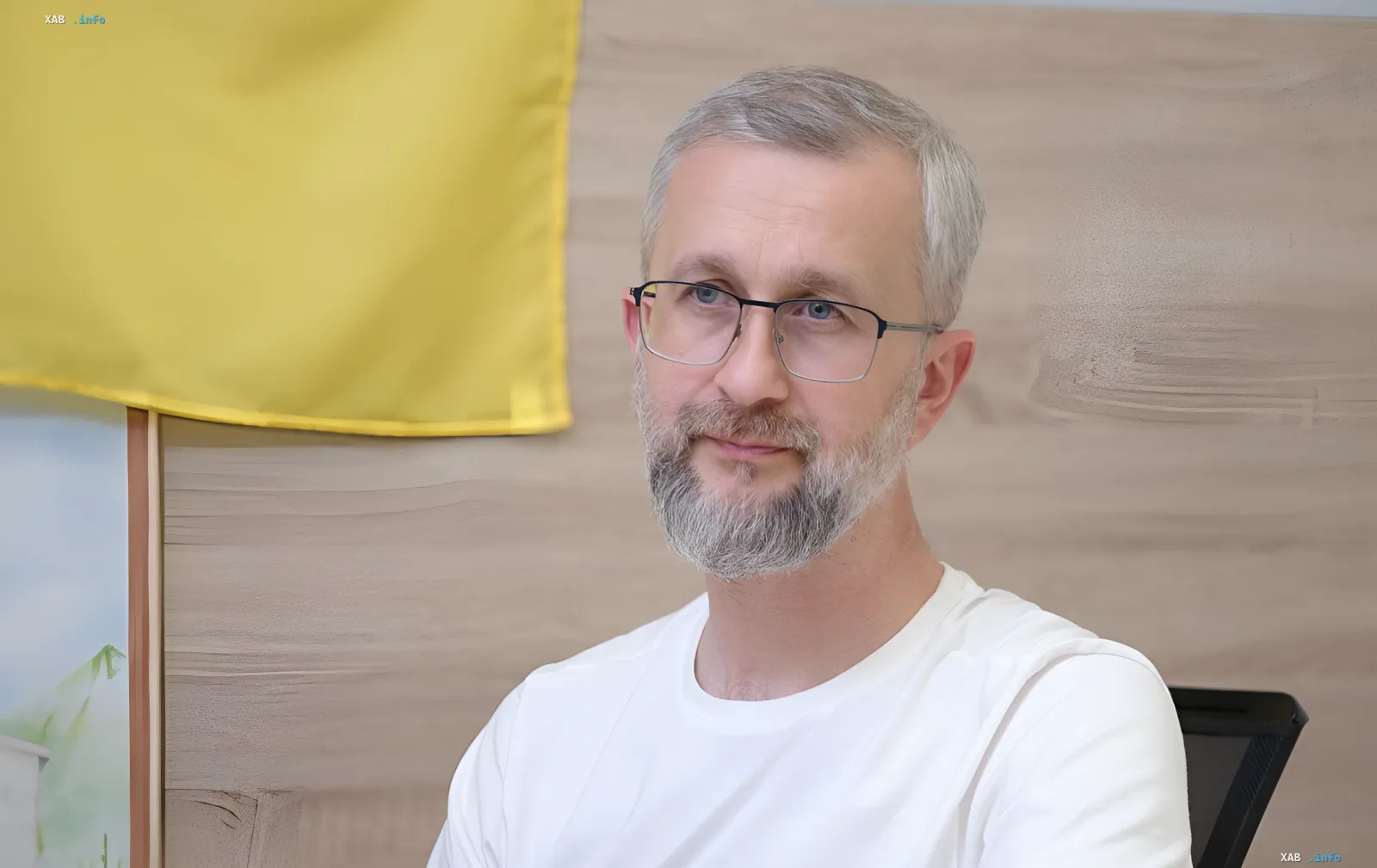
Nariman Dzhelyal, Ukraine’s Ambassador to Turkey, gave RBK-Ukraine an exclusive interview in which he spoke in detail about the current state of Ukrainian-Turkish relations, the prospects for a ceasefire in the Black Sea, the preparation of the Drone Deal initiative, and joint projects in the energy and defense industries. According to him, Ankara remains a key diplomatic platform for contacts between Kyiv, Moscow, and Washington, although the de facto freeze in the negotiation process is viewed with concern by the Turkish side. “Personally, I believe that Turkey is politically on our side. But it is a country whose own interests are its priority,” the diplomat emphasized.
A Dual Model: Support for Kyiv and Pragmatism Toward Moscow
Since the Russian occupation of Crimea, Turkey has built a unique model of relations with both capitals. On the one hand — unwavering support for Ukraine’s territorial integrity, joint defense projects, and humanitarian aid. On the other — a pragmatic continuation of trade with Russia and a refusal to join international sanctions against the aggressor state. Dzhelyal acknowledges that every significant step taken by Ankara in support of Ukraine may be followed by negative consequences for Turkish-Russian relations. “As a diplomat, I understand this clearly,” he noted. At the same time, the ambassador stresses that it is wrong to think that Turkey is doing nothing: “Some of its steps are visible, while others must remain behind the scenes.”
The Black Sea: Escalation and Mirror Responses
The most sensitive topic in the Ukrainian-Turkish dialogue remains security in the Black Sea. According to Dzhelyal, the deaths of Turkish sailors as a result of attacks on commercial vessels became a particularly painful factor for Ankara. “We say honestly that the constant Russian strikes on our port infrastructure and on commercial vessels force us to act in a mirror fashion, responding to these attacks,” the ambassador stated. He acknowledges that this is a certain escalation that is not welcome to Turkish partners. Russia’s attacks on vessels flying the Turkish flag in Ukrainian territorial waters, in his assessment, “clearly demonstrate a negative attitude toward the support that Turkey provides to Ukraine and the peace process.” The only track that has been advanced is the release and exchange of prisoners of war and civilians — here, according to the diplomat, there has been a “significant quantitative increase.”
Negotiations: Everyone Is Ready Except the Kremlin
Dzhelyal directly points to Russia as the only party not showing a willingness to engage in real negotiations. “The Turks are ready, we are ready, the Americans are ready. Everyone is ready except the head of the Kremlin and his entourage,” he stated. According to him, the Ukrainian president has repeatedly expressed readiness to meet with Vladimir Putin on Turkish territory, although any meetings at a level below the country’s leaders are perceived as ineffective. The Head of the President’s Office of Ukraine, as the ambassador notes, pointed to Moscow’s intention to use the winter period to strengthen its diplomatic position “through the terrorization of Ukraine’s population.” The Turkish side, for its part, persistently urges the parties to resume dialogue, especially against the backdrop of the deteriorating situation in the Black Sea.
Drone Deal, Energy, and Access to Third-Country Markets
Despite diplomatic pauses on the Russian front, bilateral cooperation between Ukraine and Turkey in strategic areas continues to develop. The interview discusses the preparation of the Drone Deal initiative — a joint project in the field of unmanned systems — as well as joint projects in energy and the defense-industrial complex. Dzhelyal emphasizes that Ankara acts not only as a mediator but also as a partner for joint access to third-country markets, which gives Ukrainian-Turkish cooperation an additional pragmatic impulse independent of the course of negotiations with Moscow.
Contradictory Data
No significant factual discrepancies in dates or figures were found in the provided sources. At the same time, it is worth noting the internal tension in Turkey’s positioning: on the one hand, Ambassador Dzhelyal characterizes Ankara as a party that is “politically on our side,” while on the other hand he stresses that Turkey’s own interests are an absolute priority, and the active use of leverage over Russia is not part of its strategy. The Turkish state agency Anadolu (AA), in its publication, confirms the ambassador’s high assessment of Turkey’s mediating role, while not disputing the fact of the continuation of Ankara’s trade and economic ties with Moscow. Thus, both sides — Ukrainian and Turkish — consistently present Ankara’s position as a pragmatic balance, rather than as an unambiguous choice between Kyiv and Moscow.