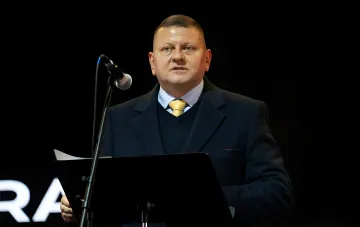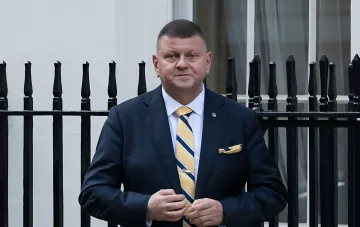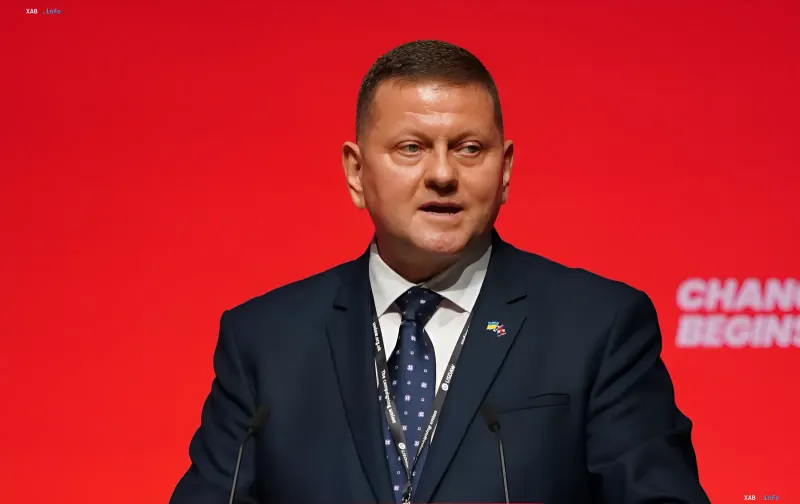
Ukraine may be forced to abandon a strategy that has been considered the only correct one for decades. Valeriy Zaluzhny, the Ambassador of Ukraine to the United Kingdom, made a statement in a recent interview that resonates with the reality of the current war: joining NATO in its current form is not a viable prospect for Kyiv. According to the diplomat, the country needs faster and more modern solutions that the traditional Alliance cannot offer in the short term.
The End of Membership Fairy Tales
Zaluzhny, who personally oversaw the adaptation of the Armed Forces of Ukraine to Alliance standards for 12 years, did not hide his disappointment. He admitted that he had heard promises of imminent membership every year, but they remained mere words.
"I know NATO very well. For about 12 years, I personally worked on mastering NATO standards and heard fairy tales every year that we would join NATO soon. Unfortunately, we will never join it!" — the ambassador stated.
According to Zaluzhny, the problem lies not only in the bureaucratic complexities of the accession process but also in the structure of the organization itself. Modern NATO, he says, does not meet the challenges that arose after the start of Russia's full-scale war against Ukraine. The Alliance will likely remain in its current format, while Ukraine requires operational defense mechanisms.
A New Security Architecture
Abandoning illusions does not mean abandoning defense. Zaluzhny emphasized that Ukraine still critically needs the technologies and military capabilities of Western countries. However, the vector of cooperation may change. Instead of waiting for NATO membership, Kyiv may focus on creating new defense alliances.
As one of the key options, the ambassador named the formation of a European military security bloc. He also positively assessed the prospects of Ukraine's participation in the Joint Expeditionary Force (JEF), led by the United Kingdom. This format was created back in 2015, but Ukraine's integration into it was not previously a priority.
It is important to note that JEF is not yet a full analogue of NATO and does not provide for a collective defense mechanism or automatic obligations to protect participants. Nevertheless, for Ukraine, this has already become a real step: in November 2025, Kyiv received the status of an extended partner of JEF, becoming the first state outside the bloc with such status.
Prioritizing Technology and Real Alliances
According to Zaluzhny, Kyiv's strategy should be built on ties with blocs that are formed in response to modern threats. The priority areas of cooperation include:
- Access to anti-ballistic systems;
- Development of space capabilities;
- Exchange of other critical defense technologies.
The topic of joining NATO has noticeably stalled against the backdrop of these statements. Even at the recent Alliance summit in Ankara, despite the presence of Ukrainian President Volodymyr Zelenskyy, this issue was not raised. It seems that the era of waiting is ending, and Ukraine is forced to seek new formats of security guarantees, relying on real alliances rather than deferred promises.