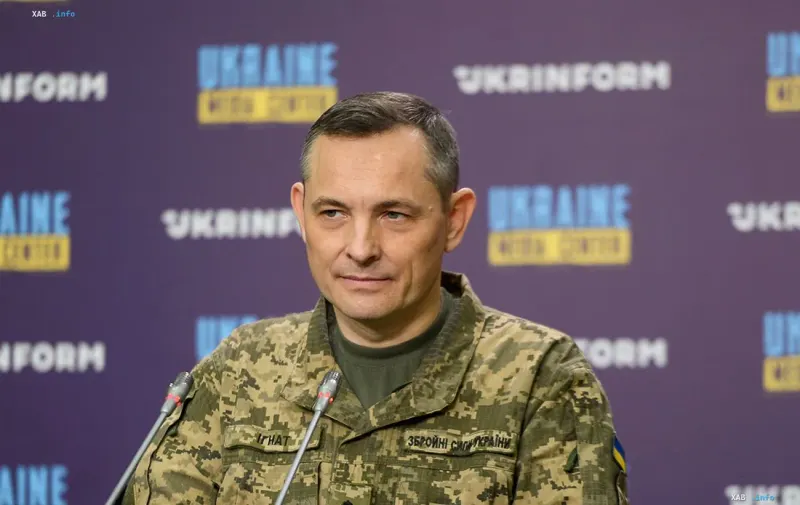
The Ukrainian Air Force is preparing a large-scale military aviation reform projected for the long term until 2035. According to the new strategy, the structure of Ukrainian combat aviation will be fully transitioned to NATO standards, which involves the creation of universal air bases and specialized "wing"-type units. This was stated by Yuriy Ihnat, Head of Communications at the Air Force Command, on the RBC-Ukraine podcast "THIS IS BASE".
New organizational structure and "wing"-type units
The strategy for the development of the Ukrainian Air Force outlines not only the future organizational structure but also weapon types and the general operational model for military aviation in the post-war period. One of the key steps in this plan is the introduction of "wing"-type aviation units. As an example, the official mentioned the recently launched Facebook page of the 107th F-16 Air Wing, which is already starting to publish materials about its work.
Simultaneously, the Ukrainian command is paying increased attention to upgrading the airfield network. Traditional infrastructure for individual facilities has often been tailored to specific aircraft models, such as the airfield in Ivano-Frankivsk, whose technical support is focused on MiG-29 fighters. As part of the reform, universal air bases are planned to be established on the basis of operational airfields, capable of receiving and servicing various types of combat aircraft.
Modernization of the F-16 fleet and cooperation with Lockheed Martin
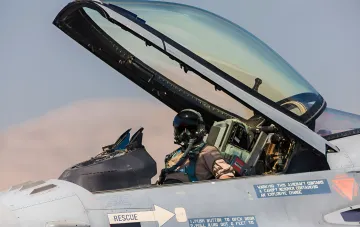
The issue of maintaining the combat readiness of existing equipment remains critical for Ukrainian pilots. Ukraine received Block 15 F-16 fighters from Western partners, which had previously been operated by other states. Under intense combat conditions, their resource is actively consumed, and the need for repair and restoration is constantly growing.
In recent months, Ukrainian fighters have been engaged in large-scale air intercept operations, including repelling Russian drone and cruise missile attacks. Over the past month alone, the Air Force dealt with approximately 3,500 jet targets. To increase efficiency and extend the service life of the aircraft, the Ukrainian leadership is negotiating with the American corporation Lockheed Martin on ways to improve the characteristics of existing fighters.
Prospects for Swedish Gripen fighters and new challenges
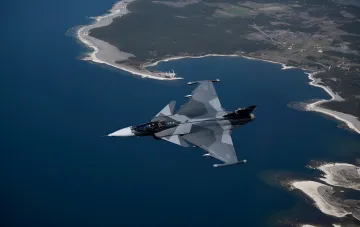
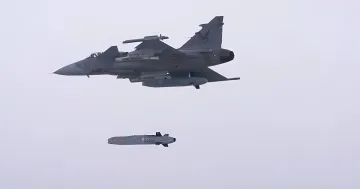
Despite efforts to maintain the current fleet, Ukrainian pilots continue to consider options for expanding their air fleet with other Western models. In particular, Swedish Gripen fighters are actively discussed, as they attract the military with their relatively low operating costs and ease of maintenance. Initially, Ukraine may receive aircraft of earlier C/D modifications, while the manufacturer, Saab, is already working on an advanced version of the Gripen E.
Such aircraft are viewed by the military in the context of the need to effectively counter Russian guided aerial bombs. However, their actual appearance in the Ukrainian skies will depend on further interstate agreements. At the same time, the command emphasizes that the development of promising areas does not eliminate the urgent need to maintain the technical condition of currently operated aircraft and rationally use existing air defense resources, including Patriot surface-to-air missile systems.
Significance of the reform for Ukraine's defense capability
The transition of Ukrainian military aviation to NATO standards by 2035 lays the foundation for the state's long-term security and full integration into the Euro-Atlantic defense system. The creation of universal air bases and wing units will allow flexible maneuvering of forces, rapid mastering of new types of weapons, and effective counteraction to modern air threats. The success of this large-scale transformation will depend both on the internal restructuring of military infrastructure and on stable support from international partners in the supply, repair, and modernization of aircraft.