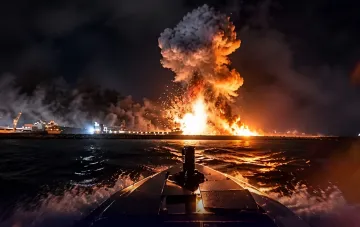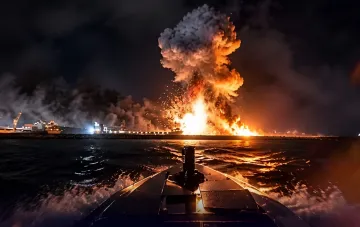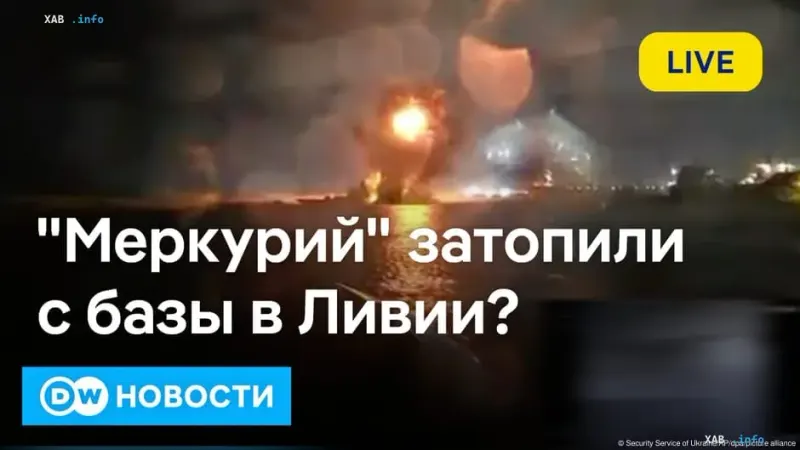
On November 23, 2026, it was reported that a successful Ukrainian operation near the Libyan coast resulted in the destruction of the Russian corvette 'Merkury' using naval drones. According to official statements, the attack also eliminated a Ka-27 combat helicopter located on board or in the immediate vicinity of the vessel. This event marks a significant expansion of the combat geography far beyond the direct military conflict zone between Ukraine and Russia.
Details of the Operation Against 'Merkury'
Ukrainian President Volodymyr Zelenskyy described the incident as an 'exemplary operation,' emphasizing the high efficiency of unmanned naval systems. The use of drones in Libyan territorial waters demonstrates Ukraine's growing capability to conduct precision strikes against enemy logistics and military assets in Africa. The strike led to the complete sinking of the corvette, representing a serious blow to Russia's naval presence in the region.
Geopolitical Escalation of the Conflict
In parallel with the Libya incident, rising tensions are reported in Eastern Europe and space. There are reports of Russian cruise missiles landing on Polish territory, creating additional risks of a direct confrontation between Russia and NATO. At the same time, Western experts and intelligence agencies are expressing serious concern regarding Russia's plans to launch a satellite equipped with a nuclear warhead, which could alter the balance of power in Earth's orbit.
Global Security Implications
These events point to a transformation of global security, where the battlefield is no longer localized. Strikes in Libya, combined with incidents in Poland and potential space-based threats, require an urgent response from the international community. It is expected that the issue of maritime corridor control and the prevention of further escalation will become a central topic in upcoming diplomatic forums, as the involved parties have adopted methods of confrontation spanning multiple continents.